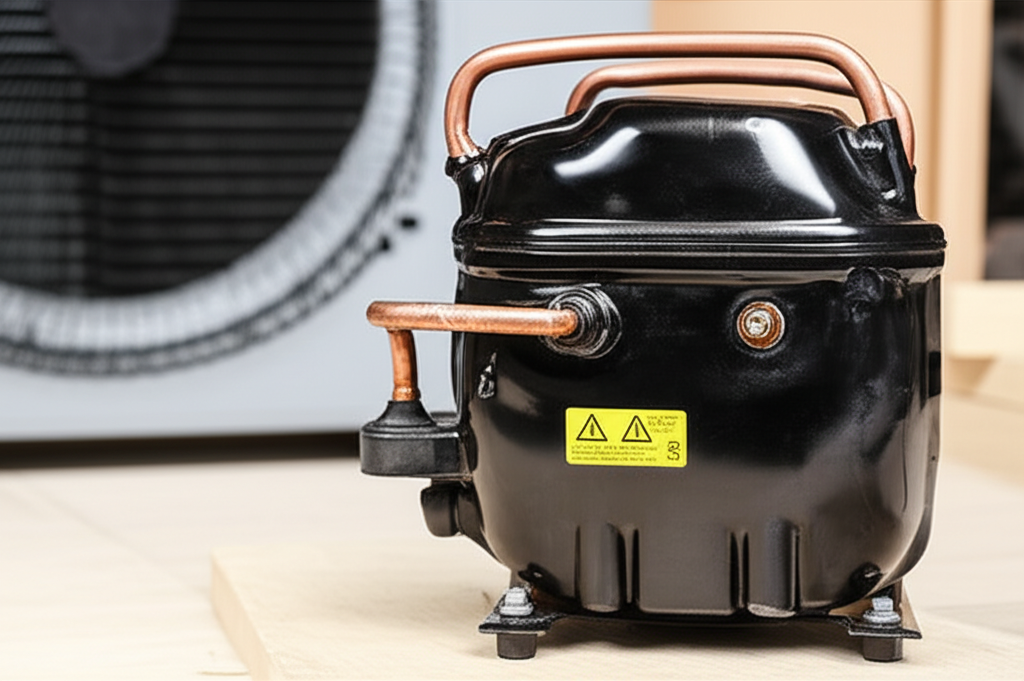
A compressor in an air conditioner is the heart of the cooling system. It’s a pump that pressurizes refrigerant, allowing it to circulate and absorb heat from your home, effectively cooling your space. Understanding its role is key to efficient AC operation and maintenance.
Ever feel that frustrating chill when your air conditioner decides to take an unscheduled break on the hottest day of the year? It’s a common headache for many homeowners. Often, the culprit hiding within that humming outdoor unit is the air conditioner compressor. This vital component is what makes the magic of cooling happen, but when it falters, so does your comfort. Don’t worry, though! We’re going to break down exactly what this part does in simple terms, so you can understand your AC better and know what to do if things go awry. Let’s dive in and demystify the AC compressor!
The Heart of Your Air Conditioner: What Exactly is a Compressor?
Think of your air conditioner like a closed loop system, a bit like a circulatory system for your home’s comfort. The compressor is the “heart” of this system. Its primary job is to take the refrigerant (a special fluid that absorbs and releases heat) in its gaseous state and compress it. This compression does two crucial things: it increases the temperature and pressure of the refrigerant.
This high-pressure, hot gas then moves to the outdoor unit’s condenser coils. Here, it releases its heat into the outside air. As it cools, the refrigerant condenses back into a liquid. This liquid then travels back inside your home to the evaporator coils, where it absorbs heat from your indoor air, making your home cooler. The cycle then repeats, continuously moving heat from inside to outside.
Why is the Compressor So Important?
Without a working compressor, your air conditioner simply cannot cool your home. It’s the engine that drives the entire refrigeration cycle. If the compressor fails, the refrigerant won’t be pressurized, and it won’t be able to absorb heat from your indoor air. This means your AC will blow warm air, or no air at all, leaving you sweltering.
The efficiency and lifespan of your entire air conditioning system are heavily influenced by the health of its compressor. A well-functioning compressor uses energy efficiently to keep your home cool, saving you money on electricity bills. Conversely, a struggling compressor can lead to higher energy consumption and potentially damage other parts of your AC system.
Types of Air Conditioner Compressors
Just like cars have different engine types, air conditioners use various kinds of compressors. Knowing these can help you understand your unit better, especially when it comes time for repairs or replacement. The most common types you’ll encounter are:
- Reciprocating Compressors: These are similar to the compressors found in older refrigerators. They use pistons that move back and forth inside cylinders to compress the refrigerant. They are generally reliable but can be a bit noisier and less energy-efficient than newer types.
- Rotary Compressors: These use rotating cylinders or vanes to compress the refrigerant. They are typically quieter and more energy-efficient than reciprocating compressors. You’ll often find them in smaller window AC units and some split systems.
- Scroll Compressors: These are the most modern and widely used type in residential central air conditioning systems today. They use two interleaved spiral-shaped scrolls to compress the refrigerant. One scroll is stationary, while the other orbits around it. This design results in very smooth, quiet, and efficient operation. They have fewer moving parts, which can lead to greater reliability.
- Inverter Compressors: This is less of a “type” of compressor mechanism and more of an advanced control system. An inverter compressor can vary its speed and output based on your cooling needs. Instead of simply turning on and off at full power, it can run at lower speeds for longer periods, maintaining a more consistent temperature and using significantly less energy. Many modern scroll compressors are now equipped with inverter technology.
Compressor Type Comparison Table
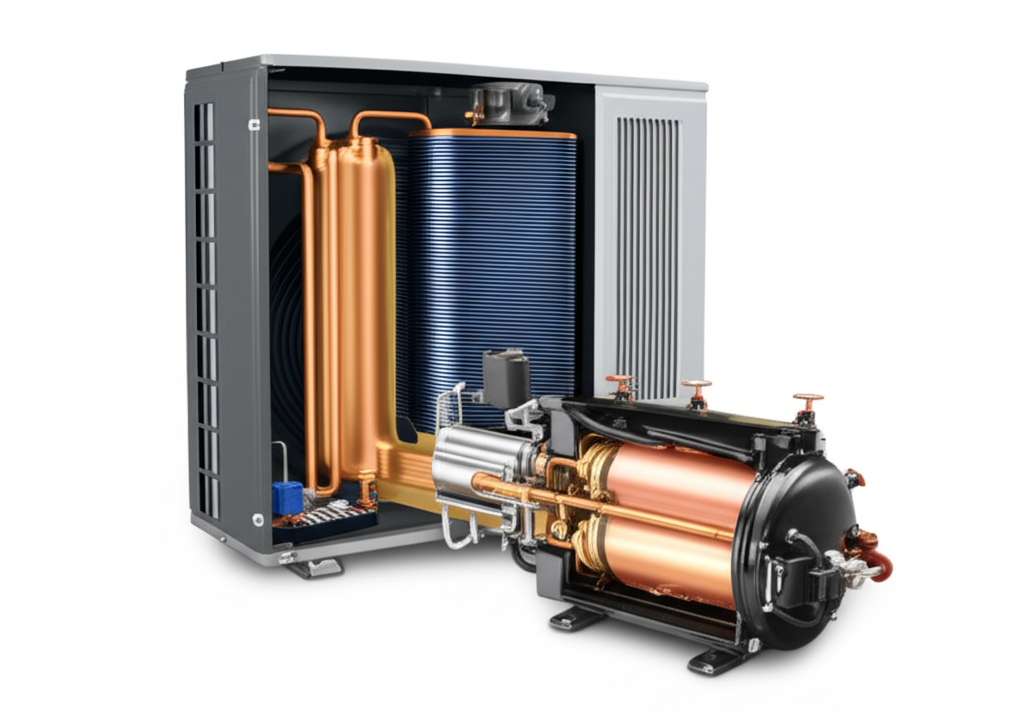
Here’s a quick look at how these common compressor types stack up:
| Compressor Type | Pros | Cons | Common Applications |
|---|---|---|---|
| Reciprocating | Reliable, simpler design | Noisier, less energy-efficient, can be prone to wear | Older AC units, some refrigeration |
| Rotary | Quieter, more energy-efficient than reciprocating | Can be less durable than scroll | Window AC units, smaller split systems |
| Scroll | Very efficient, quiet, reliable, smooth operation | More complex, can be more expensive to repair | Most modern central AC systems, heat pumps |
| Inverter (with Scroll) | Highly energy-efficient, consistent temperature, quieter operation, longer lifespan | More expensive upfront, requires specialized repair | High-efficiency central AC systems, premium models |
How Does an AC Compressor Work? The Refrigeration Cycle Explained
To truly understand the compressor’s role, let’s walk through the entire cooling cycle. It’s a fascinating process that relies on the physical properties of refrigerants.
- Evaporation (Inside): The cycle begins with low-pressure, cool refrigerant liquid entering the evaporator coils inside your home. As warm indoor air passes over these coils, the refrigerant absorbs the heat and turns into a low-pressure gas. This is what cools your air.
- Compression: The low-pressure refrigerant gas then travels to the compressor. The compressor, powered by electricity, squeezes this gas, increasing its pressure and temperature significantly. Think of it like pumping up a bicycle tire – the air gets hotter as you compress it.
- Condensation (Outside): The hot, high-pressure refrigerant gas then flows into the condenser coils in your outdoor unit. A fan blows outdoor air over these coils. Since the refrigerant is much hotter than the outside air, it releases its heat to the surroundings. As it cools, it changes back into a high-pressure liquid.
- Expansion: This high-pressure liquid refrigerant then passes through an expansion valve, which reduces its pressure and temperature dramatically. This cold, low-pressure liquid is now ready to return to the evaporator coils to start the cycle again.
This continuous cycle is what allows your air conditioner to move heat from inside your house to the outside, providing that cool, refreshing air you enjoy.
Common Compressor Problems and Symptoms
Like any mechanical component, AC compressors can develop problems. Recognizing the signs early can save you from a complete system breakdown and costly repairs. Here are some common issues:
- Compressor Not Starting: This could be due to electrical issues (like a faulty capacitor or contactor), a tripped breaker, or a seized compressor. You might hear a humming noise as it tries to start but fails.
- Compressor Overheating: Overheating can be caused by low refrigerant levels, dirty condenser coils, a faulty fan motor, or internal compressor damage. Symptoms include the AC shutting off prematurely or blowing warm air.
- Strange Noises: Grinding, banging, or loud rattling sounds coming from the outdoor unit often indicate a serious problem with the compressor. This could be due to worn bearings or internal components.
- Leaking Oil: While some oil is present in the compressor, significant oil leaks around the unit can indicate a seal failure, which will eventually lead to compressor damage.
- AC Blowing Warm Air: This is a general symptom, but if the compressor is the cause, it might be due to it not running at all, running inefficiently, or having lost its charge.
If you suspect any of these issues, it’s best to call a qualified HVAC technician. Attempting to diagnose or repair compressor problems yourself can be dangerous and may void your warranty. For more information on AC maintenance, you might find resources from the U.S. Department of Energy helpful: Energy Star Home Cooling Guide.
When to Call a Professional
The compressor is a complex and high-voltage component. For your safety and to prevent further damage, it’s crucial to know when to call in the experts. You should always contact a licensed HVAC professional if you experience any of the following:
- The air conditioner is not cooling at all, and you suspect the compressor is the issue.
- You hear loud, unusual noises (grinding, banging, squealing) from the outdoor unit.
- The outdoor unit is not running, or it trips the circuit breaker repeatedly.
- You notice oil leaks around the compressor or outdoor unit.
- Your AC system is blowing warm air, and you’ve ruled out simple issues like thermostat settings or dirty filters.
HVAC technicians have the specialized tools, knowledge, and safety equipment to diagnose compressor problems accurately and perform necessary repairs or replacements. They can also check refrigerant levels, which is a common cause of compressor issues.
Maintaining Your AC Compressor for Longevity
While you can’t directly “maintain” the compressor itself without professional help, you can significantly extend its life and ensure efficient operation through regular AC system maintenance. Think of it as taking care of the environment the compressor works in.
- Regularly Clean or Replace Air Filters: A clogged air filter restricts airflow, making your entire system, including the compressor, work harder. This is the easiest and most impactful DIY maintenance task. Aim to check them monthly and replace them every 1-3 months, depending on the filter type and household conditions.
- Keep the Outdoor Unit Clean: The condenser coils in the outdoor unit need to be free of debris like leaves, grass clippings, and dirt. Gently rinse them with a garden hose (low pressure!) from the inside out a couple of times a year. Ensure the area around the unit is clear of obstructions to allow for good airflow.
- Schedule Annual Professional Tune-Ups: Have a qualified HVAC technician inspect your system at least once a year, ideally before the cooling season begins. They will check refrigerant levels, clean coils, inspect electrical components, and ensure everything is running optimally, which is crucial for the compressor’s health.
- Ensure Proper Drainage: The condensate drain line for your indoor unit should be clear to prevent water buildup, which can indirectly affect system performance.
Following these maintenance tips will help your AC system, including its vital compressor, run smoothly and efficiently for years to come.
Frequently Asked Questions (FAQ)
What is a compressor in an air conditioner?
The compressor is the heart of your air conditioner. It’s a pump that pressurizes refrigerant, allowing it to circulate through the system to absorb heat from your home and release it outside, thus cooling your space.
How do I know if my AC compressor is bad?
Signs of a bad compressor include your AC blowing warm air, unusual loud noises (grinding, banging) from the outdoor unit, the unit not starting, or the circuit breaker tripping frequently. If you notice any of these, it’s best to call a professional.
Can I replace an AC compressor myself?
Replacing an AC compressor is a complex and potentially dangerous task that requires specialized tools, knowledge of refrigeration systems, and handling of refrigerants. It is strongly recommended to hire a qualified HVAC technician for compressor replacement.
What causes an AC compressor to fail?
Compressor failure can be caused by several factors, including low refrigerant levels, electrical issues (like capacitor failure), lack of maintenance leading to overheating, dirty coils, or simply reaching the end of its lifespan. Sometimes, manufacturing defects can also play a role.
How much does an AC compressor cost to replace?
The cost to replace an AC compressor can vary widely, typically ranging from $1,500 to $4,000 or more, depending on the type of compressor, the brand of your AC unit, labor rates in your area, and whether other components need to be replaced. It’s always best to get a detailed quote from a reputable HVAC service provider.
Are inverter compressors better?
Yes, inverter compressors are generally considered better for energy efficiency and comfort. They can adjust their speed to match cooling demands, leading to more consistent temperatures, quieter operation, and significant energy savings compared to traditional single-stage compressors.
Conclusion
So, there you have it! The air conditioner compressor, often tucked away in your outdoor unit, is the tireless workhorse responsible for keeping your home cool and comfortable. It’s the component that pressurizes refrigerant, enabling the entire cooling cycle. While it’s a complex piece of machinery, understanding its function and the common issues that can arise empowers you as a homeowner. By performing regular maintenance on your AC system – like changing filters and keeping the outdoor unit clean – you’re not just ensuring comfort; you’re also protecting this vital component and potentially saving yourself from costly repairs down the line. Remember, when in doubt, always reach out to a qualified HVAC professional. They have the expertise to keep your AC’s heart beating strong, ensuring those cool breezes continue to flow when you need them most.
