Coping saw blades are indeed universally fitting across most standard coping saws. This means you can confidently purchase replacement blades without worrying about specific saw models, as long as you choose the correct blade type for your material.
So, you’ve got a coping saw, a fantastic tool for intricate cuts and detailed work. But now you need a new blade, and you’re staring at a wall of options. Do they all fit? Is there some secret handshake or specific model number you need to match? It’s a common question, and one that can feel a bit daunting when you’re just starting out. Don’t worry, we’ve all been there. The good news is, for the most part, coping saw blades are designed with a universal fit in mind. This means you can get back to your projects without the headache of searching for a needle in a haystack. Let’s dive into what makes them so adaptable and how to pick the right one for your needs.
Understanding the Coping Saw Blade
Before we get to the universal fit, let’s quickly touch on what makes a coping saw blade, well, a coping saw blade. These blades are designed to be narrow and thin, allowing them to make tight curves and intricate shapes that larger saws simply can’t manage. They have a distinctive pin-end that secures them to the saw frame. This pin-end is crucial for how they attach and, importantly, why most blades are interchangeable.
The blade itself is essentially a thin strip of metal with teeth along one edge. The key features are:
Width: The narrowness allows for maneuverability.
TPI (Teeth Per Inch): This determines the smoothness of the cut and the type of material the blade is best suited for.
Pin-Ends: These are small pins at each end of the blade that fit into slots on the coping saw frame.
The “Universal Fit” Explained
The term “universal fit” for coping saw blades primarily refers to the pin-end attachment system. Most modern coping saws, and indeed many older ones, use a standardized pin-end design. This means the small pins at either end of the blade are designed to slot into the corresponding holes or clips on the coping saw frame.
Think of it like a standard lightbulb socket. While there are different types of bulbs, the screw-in base is largely standardized, allowing you to use many different bulbs in the same lamp. Coping saw blades work on a similar principle.
This standardization is a huge advantage for DIYers and woodworkers. It means you don’t have to hunt for a blade specific to your saw’s brand or model. As long as you’re buying a blade designed for a coping saw (not a jigsaw, bandsaw, or other saw), it will almost certainly fit your frame.
What About Blade Length?
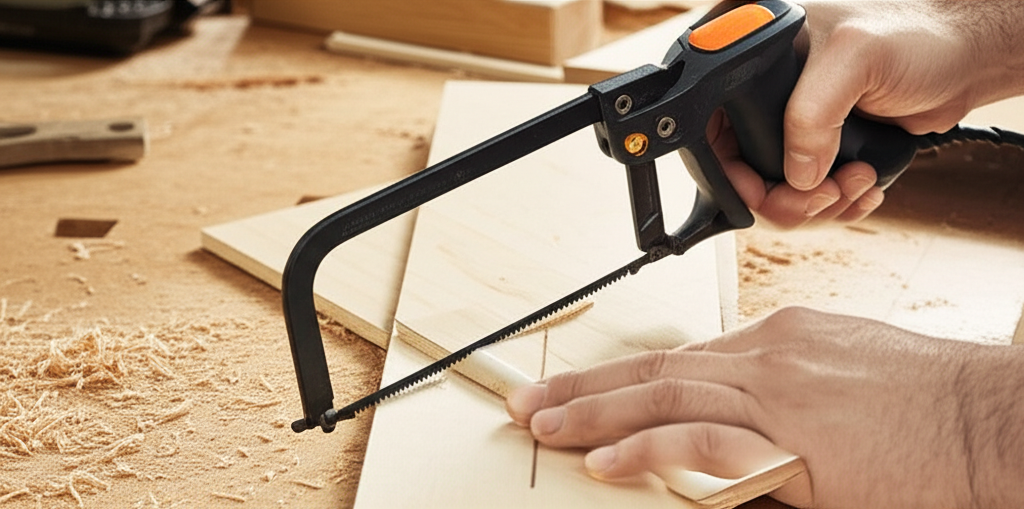
While the pin-end is standardized, the overall length of the blade can vary slightly between manufacturers, but this variation is usually minimal and accounted for by the adjustable tension of the coping saw frame itself. You tighten or loosen the frame to get the right tension on the blade.
The critical aspect is ensuring the blade you choose is intended for a coping saw. Blades for other tools, like scroll saws or jigsaws, will have different mounting mechanisms and won’t fit.
Choosing the Right Coping Saw Blade: It’s About the Teeth!
While the fit is generally universal, the type of blade you choose is paramount to achieving a good cut. This is where the “universal fit” doesn’t mean “one size fits all” in terms of performance. The main differentiating factor is the TPI (Teeth Per Inch).
The TPI dictates how many teeth are present in one inch of the blade. This directly impacts the type of material you can cut and the quality of the cut.
Here’s a general guide to TPI for coping saw blades:
| TPI Range | Blade Type | Best For | Cut Quality |
| :————– | :——————- | :————————————————————————— | :—————- |
| 10-14 TPI | Coarse Tooth | Softwoods, thicker plastics, general purpose | Rougher, faster |
| 15-20 TPI | Medium Tooth | Hardwoods, medium-thickness plastics, general utility | Smoother, moderate |
| 20-32 TPI | Fine Tooth | Thin hardwoods, plywood, laminates, metal, intricate detail work | Very smooth, slower |
| 32+ TPI | Extra Fine Tooth | Thin metals (brass, aluminum), very delicate plastics, very fine detail work | Extremely smooth |
Why TPI Matters:
Too few teeth (low TPI): Will rip through soft materials quickly but can splinter and tear finer materials. It’s also more likely to clog up with sawdust.
Too many teeth (high TPI): Will cut very smoothly but can be slow and may clog easily in softer, thicker materials. It’s ideal for precise work and harder substances.
For beginners, a blade in the 15-20 TPI range is often a good starting point. It offers a balance between cutting speed and a reasonably smooth finish for common materials like pine or basic plywood.
Blade Material
Coping saw blades are typically made from:
High-Carbon Steel: Affordable and good for general woodworking and softer materials.
High-Speed Steel (HSS): More durable and can handle harder woods and some metals.
Bi-Metal: A combination of HSS teeth and a flexible steel body, offering excellent durability and resistance to breaking. These are often the best choice for longevity and versatility.
How to Install a Coping Saw Blade (It’s Easy!)
Installing a new blade is straightforward. The key is to get the teeth facing the right way and to tension the blade correctly.
What You’ll Need:
Your coping saw
A new coping saw blade
Optional: A rag for cleaning
Step-by-Step Installation:
1. Loosen the Tension Knob: Locate the large knob at the end of the coping saw frame. Turn it counter-clockwise to loosen the tension on the frame. This will make it easier to insert the blade.
2. Identify Blade Orientation: Coping saw blades have teeth that are typically angled to cut on the pull stroke. Look closely at the blade. You’ll see the teeth are angled forward.
3. Position the Blade: Hold the coping saw frame so the blade slots are facing you. Take your new blade and insert the pin-end into the slot at the front of the frame. The teeth should be facing away from the main curve of the frame, so they point towards the handle. This ensures the blade will cut when you pull the saw towards you.
4. Attach the Other End: Now, insert the pin-end of the blade into the slot at the back of the frame.
5. Tension the Blade: Slowly turn the tension knob clockwise. You’ll feel the frame begin to tighten around the blade. You want the blade to be taut, like a guitar string, but not so tight that it’s about to snap. A good rule of thumb is to tension it until it makes a clear “ring” sound when plucked. Over-tensioning can cause the blade to break, while under-tensioning can lead to the blade bending or falling out during use.
6. Check the Teeth Direction: Give the saw a gentle pull. Ensure the teeth are still facing away from the frame curve. If they’re not, loosen the tension, reposition, and re-tension.
7. Clean Up (Optional): Wipe down the frame and blade with a dry cloth to remove any dust or debris.
Important Note on Blade Direction: Some specialized coping saw blades are designed to cut on the push stroke. However, the vast majority, and certainly those you’ll encounter as a beginner, cut on the pull. Always orient your blade so the teeth are angled to cut when you pull the saw towards you.
Securing the Blade
The pin-ends of the blade are designed to fit snugly into the slots on the coping saw frame. These slots often have small grooves or hooks that the pins engage with, preventing the blade from slipping out during use. When you tension the blade correctly, it holds itself firmly in place.
When Might a Blade NOT Fit?
While the “universal fit” is largely true, there are a couple of edge cases to be aware of:
Very Old or Unusual Saws: Extremely antique or specially designed coping saws might have a non-standard pin size. This is rare, but if you have a very old saw, it’s worth checking the pin size against a new blade before purchasing a large quantity.
Scroll Saw Blades: As mentioned, scroll saw blades have a different mounting system (often plain-end or T-shank) and will not fit a coping saw.
Jigsaw Blades: Jigsaw blades have a U-shaped shank or a T-shank and are designed for a completely different type of saw.
In essence, if you buy a blade clearly labeled as a “coping saw blade” with pin-ends, it will fit a standard coping saw.
Cutting Different Materials with Your Coping Saw
The beauty of the coping saw lies in its versatility. With the right blade, you can tackle a surprising range of materials.
Wood
Softwoods (Pine, Fir): Easy to cut. Use a coarser blade (10-14 TPI) for faster cuts or a medium blade (15-20 TPI) for a cleaner finish.
Hardwoods (Oak, Maple): Require a finer blade (15-20 TPI or 20-32 TPI) to prevent the teeth from snagging and breaking.
Plywood & Veneers: A medium to fine blade (15-20 TPI or 20-32 TPI) works well. Be mindful of the veneer layer to avoid chipping.
Molding & Trim: Ideal for cutting intricate shapes in decorative trim. Use a fine-to-medium blade (15-32 TPI) for clean cuts.
Plastics
Acrylic & Plexiglass: Use a fine-to-extra-fine blade (20-32+ TPI). Cut slowly and steadily to avoid cracking. Some woodworkers recommend scoring the plastic first.
PVC & ABS: Medium to fine blades (15-32 TPI) are suitable.
Metal
Thin Sheet Metal (Aluminum, Brass): Requires a very fine blade (32+ TPI) and cutting oil to lubricate and prevent the teeth from clogging and overheating.
Thin Metal Rods or Tubing: Similar to sheet metal, use a fine blade and lubricant.
A Note on Metal Cutting: While a coping saw can cut metal, it’s not its primary purpose. For frequent or heavy metal cutting, a hacksaw is generally a better tool. However, for occasional, small metal jobs, a coping saw with the right blade and technique can certainly do the job.
Tips for Accurate Coping Saw Cuts
Achieving precise cuts with a coping saw takes a little practice. Here are some tips:
Mark Your Line Clearly: Use a sharp pencil or marking knife.
Start the Cut Slowly: Make a small notch with the blade before you begin the main cut. You can also start the cut from the waste side of your line.
Let the Saw Do the Work: Don’t force the blade. Use smooth, steady strokes.
Keep the Blade Perpendicular: Try to keep the blade straight up and down, perpendicular to the surface you’re cutting, especially for straight cuts or when starting a curve.
Turn the Workpiece, Not Just the Saw: For curves, it’s often easier to pivot the material you’re cutting rather than trying to maneuver the entire saw frame around a tight corner.
Support Your Work: Ensure the piece you’re cutting is well-supported, especially near the cut line, to prevent breakage or splintering.
Blade Tension is Key: As mentioned, a properly tensioned blade is less likely to wander or break.
Maintaining Your Coping Saw and Blades
To keep your tools in good working order:
Clean Blades: After use, especially when cutting damp wood or materials that produce a lot of dust, wipe your blades clean. A light coat of oil can prevent rust if you’re storing them for a long time.
Store Blades Safely: Keep spare blades in their protective packaging or a blade storage case to prevent damage and injury.
Check the Frame: Ensure the tension knob turns smoothly and the pin slots are clear of debris.
* Replace Dull Blades: A dull blade requires more force, leads to rougher cuts, and is more likely to break. Don’t hesitate to replace a blade when it feels like it’s not cutting efficiently.
Frequently Asked Questions About Coping Saw Blades
Are all coping saw blades the same size?
Yes, the critical “fit” aspect – the pin-ends that attach to the saw frame – are standardized across most modern coping saws. So, while blade thickness and length can vary slightly, the pin system is generally universal, meaning most coping saw blades will fit most coping saws.
How do I know which TPI blade to use?
The TPI (Teeth Per Inch) determines the cut quality and speed. For soft materials or faster, rougher cuts, use a lower TPI (10-14). For harder materials, smoother finishes, or intricate work, use a higher TPI (20-32+). A good all-around choice for beginners is often 15-20 TPI.
Can I use a coping saw blade to cut metal?
Yes, but with the right blade and technique. You’ll need a very fine-toothed blade (32+ TPI) and should use a cutting lubricant to keep the blade cool and prevent it from clogging. For frequent or heavy metal cutting, a hacksaw is a more suitable tool.
How do I orient the blade in the saw?
Most coping saw blades are designed to cut on the pull stroke. This means the teeth should be angled forward, pointing away from the curve of the saw frame and towards the handle when the blade is installed.
My blade keeps breaking. What am I doing wrong?
Blade breakage can be caused by several things: over-tensioning the blade, forcing the cut instead of letting the blade work, cutting too fast, or using the wrong TPI for the material. Ensure your blade is properly tensioned (taut but not overly so), use smooth strokes, and match your TPI to the material.
Where can I find information on cutting specific materials with a coping saw?
Reputable woodworking websites and tool manufacturers often provide detailed guides. For example, resources from organizations like the Wood Magazine or tool brands like Stanley offer excellent advice on blade selection and techniques for various materials.
What’s the difference between a coping saw blade and a jeweler’s saw blade?
While both are used for fine detail work, jeweler’s saw blades are typically much finer, with higher TPI counts, and are specifically designed for cutting metal and very hard materials. Coping saw blades are generally a bit more robust and versatile for wood and softer plastics, though they can handle light metalwork.
Conclusion: Embrace the Universal Fit!
So, there you have it. The “universal fit” for coping saw blades is a real thing, thanks to the standardized pin-end design. This means you can confidently grab a replacement blade without the worry of compatibility issues, as long as it’s actually a coping saw blade. The real art comes in choosing the right blade for the job – paying attention to that TPI and material.
Don’t be afraid to experiment with different blades on scrap pieces of wood or plastic. Feel how they cut, observe the finish, and get a sense of what works best for you and your projects. The coping saw is a rewarding tool to master, opening up a world of intricate designs and precise cuts. With the right blade and a little practice, you’ll be creating beautiful, detailed work in no time. Happy cutting!
