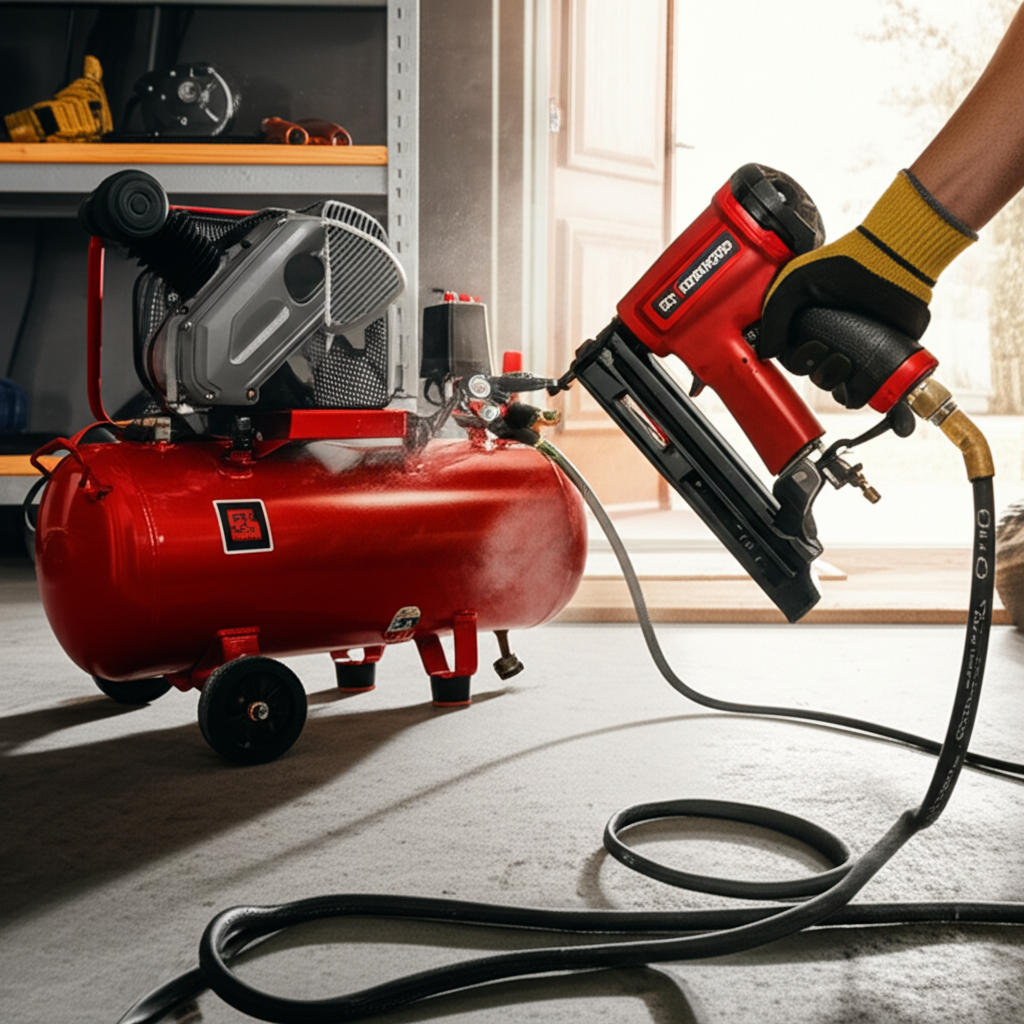
Can air compressors explode? While rare, a poorly maintained or misused air compressor can indeed pose a risk of explosion due to excessive pressure. Understanding essential safety practices is crucial for preventing accidents and ensuring your equipment operates reliably. This guide will walk you through the key safety measures to keep you and your compressor safe.
So, you’ve got an air compressor, and it’s a fantastic tool for all sorts of jobs around the house and garage. From topping off your car tires to powering a nail gun for that weekend project, they’re incredibly handy. But maybe you’ve heard whispers, or perhaps a nagging thought has crossed your mind: “Can an air compressor actually explode?” It’s a scary thought, and it’s completely natural to wonder about the safety of any pressurized equipment you’re using. Don’t worry, though! With the right knowledge and a few simple precautions, you can use your air compressor with complete peace of mind. We’re here to break down exactly what you need to know, step-by-step, so you can operate your compressor safely and efficiently.
Understanding the Risks: What Makes an Air Compressor Dangerous?
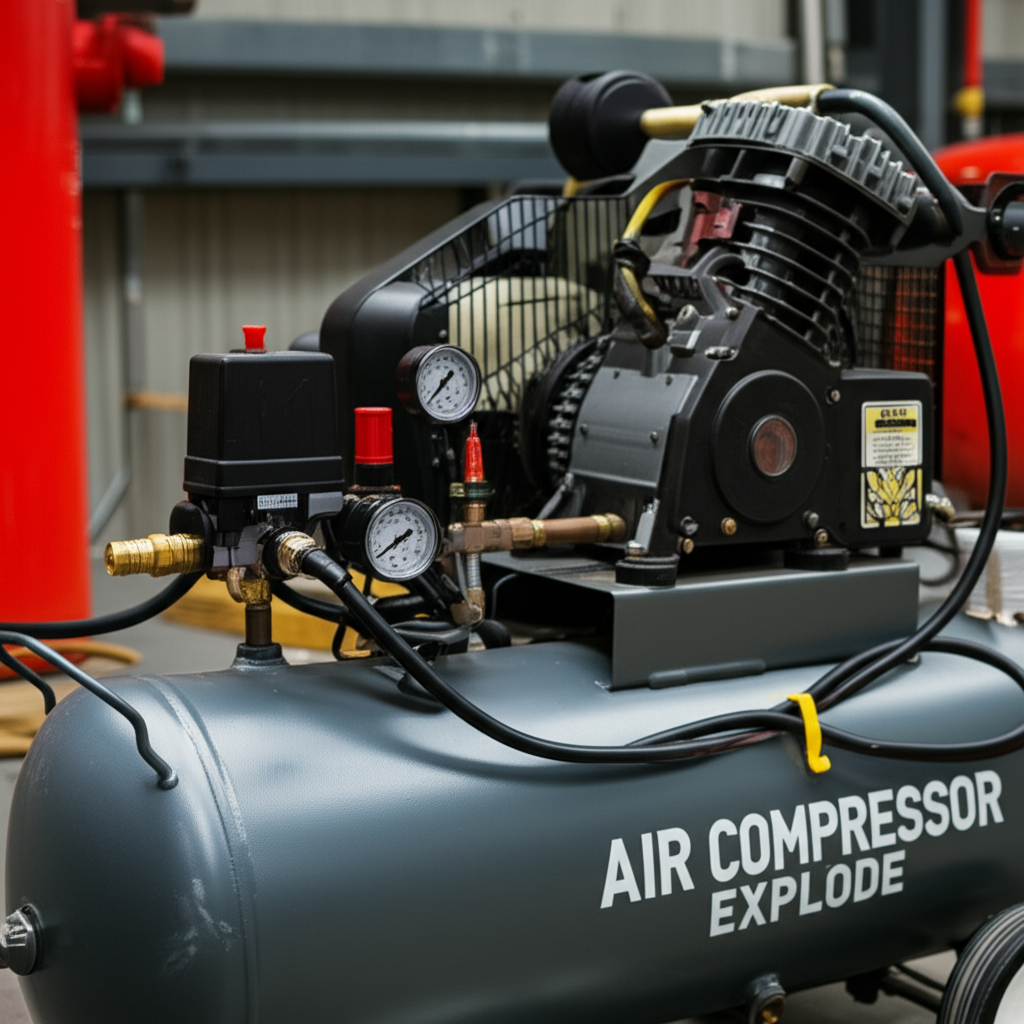
Air compressors work by compressing air into a tank. This stored air is what powers your tools. The danger comes from the pressure itself. If this pressure gets too high, or if the tank is damaged, it can lead to a catastrophic failure. Think of it like a balloon being overinflated – eventually, it pops. With an air compressor, that “pop” can be much more forceful and dangerous.
The primary components that can fail under excessive pressure are the air tank and the safety relief valve.
The Air Tank: This is the vessel that holds the compressed air. It’s designed to withstand significant pressure, but like any metal container, it can corrode or become weakened over time, especially if not properly maintained. A weakened tank is more susceptible to rupture.
The Safety Relief Valve: This is a critical safety device. Its job is to automatically release excess pressure from the tank if it exceeds a safe limit. If this valve malfunctions or is blocked, the pressure can build up unchecked.
Why Would an Air Compressor Explode? Common Causes
While explosions are uncommon, they usually stem from a few key issues:
Over-Pressurization: This is the most common culprit. It happens when the compressor’s pressure switch fails to shut off the motor when the tank reaches its maximum safe pressure. This can also occur if the pressure regulator is set too high or if the safety relief valve is faulty.
Tank Damage or Corrosion: Over time, moisture can build up inside the air tank, leading to rust and corrosion. If the tank is severely corroded, its structural integrity can be compromised, making it dangerous to pressurize. This is why draining the tank regularly is so important.
Faulty Safety Relief Valve: As mentioned, this valve is your primary defense against over-pressurization. If it’s stuck, clogged, or set incorrectly, it won’t do its job.
Using the Wrong Components: Attaching non-standard or improperly rated hoses, fittings, or regulators can create weak points in the system, increasing the risk of failure.
Physical Damage: Dropping the compressor, striking the tank, or any other impact that could dent or damage the tank can create a weak spot.
Essential Safety Checks and Maintenance: Your Prevention Guide
The good news is that most of these risks can be easily avoided with regular maintenance and by following a few simple safety rules. Think of these as your essential checklist to keep your air compressor running safely and smoothly.
1. Regularly Drain the Air Tank
This is perhaps the single most important maintenance task you can perform.
Why? As air is compressed, moisture in the air condenses. This water collects at the bottom of the tank. Over time, this water can cause rust and corrosion from the inside out, weakening the tank.
How?
1. Turn off and unplug the compressor. Always ensure the power is disconnected before performing any maintenance.
2. Bleed off the air pressure. Open a valve or disconnect a hose to release all the air from the tank.
3. Locate the drain valve. This is usually at the very bottom of the tank. It might be a small knob, a petcock valve, or a ball valve.
4. Open the drain valve. You may need a wrench for some types. Let all the water and any debris drain out. You’ll often hear a hiss as the air escapes.
5. Close the drain valve. Once no more water or air is coming out, close the valve securely.
Frequency: It’s best to drain the tank after every use, or at least daily if you use it frequently. For occasional users, drain it before storing it.
2. Inspect the Safety Relief Valve
This little valve is your best friend. Make sure it’s working!
Why? It’s designed to release pressure if it gets too high. If it’s stuck, it won’t do its job.
How?
1. Ensure the tank is pressurized (but not over its rated limit).
2. Gently pull the ring or lever on the relief valve. You should hear air escaping.
3. Release the ring/lever. The airflow should stop immediately.
4. If it doesn’t release air, or if it continues to leak after releasing the ring, it needs to be replaced. Do not use the compressor until the valve is replaced with a new one that has the correct pressure rating. You can find replacement valves at hardware stores or online.
Frequency: Test it monthly, or before any significant project.
3. Check the Pressure Gauge and Regulator
These tell you how much pressure is in the tank and what pressure is being delivered to your tool.
Why? A faulty gauge might not accurately show the pressure, and a malfunctioning regulator could deliver too much or too little pressure.
How?
1. Compare the tank pressure gauge to the regulator gauge. After the compressor has filled the tank and shut off, the tank gauge should show the maximum pressure.
2. Test the regulator. With the compressor off and the tank drained, try adjusting the regulator. It should move smoothly and hold its setting. If you have a tool that indicates its required pressure, you can also test the regulator by setting it to that pressure and observing the output.
3. If either gauge seems inaccurate or the regulator is sticky, consider replacing them.
Frequency: Visually inspect before each use.
4. Inspect the Air Tank for Damage and Corrosion
A visual inspection can catch problems before they become serious.
Why? Dents, rust, or cracks can weaken the tank.
How?
1. Visually inspect the entire exterior of the tank. Look for any signs of significant rust, especially around seams, welds, and the drain valve.
2. Check for dents or damage. Any deep gouges or dents can compromise the tank’s strength.
3. If you see significant rust or damage, it’s time to replace the tank or the entire compressor. Many manufacturers offer replacement tanks, but it’s often more cost-effective to replace the unit if the tank is severely compromised.
Frequency: Inspect thoroughly every six months, or more often if you notice any surface rust.
5. Use the Correct Hoses and Fittings
Not all hoses and fittings are created equal.
Why? Using hoses or fittings rated for lower pressures than your compressor can handle is a major safety hazard. They can burst under pressure.
How?
1. Always check the pressure rating on your air hoses, couplers, and fittings.
2. Ensure they are rated for at least the maximum pressure your compressor can produce. It’s a good idea to have a buffer, so choose components rated higher than your compressor’s maximum output.
3. Look for industrial-grade or high-pressure hoses for demanding applications.
Frequency: Check ratings when purchasing new accessories. Inspect existing hoses for cracks or wear before each use.
6. Store Your Compressor Properly
Where and how you store your compressor matters.
Why? Improper storage can lead to damage or moisture buildup.
How?
1. Store in a dry, well-ventilated area. Avoid damp basements or areas prone to extreme temperature fluctuations.
2. Ensure the tank is drained before long-term storage.
3. Keep it upright. Avoid storing it on its side unless specifically designed for it.
Frequency: Always, when not in use.
Safe Operating Practices: Beyond Maintenance
Even with perfect maintenance, safe operation is key.
Never exceed the maximum pressure rating indicated on the compressor tank or in the owner’s manual.
Always use the correct pressure for your tool. Different air tools require different pressure levels. Consult your tool’s manual and set your compressor’s regulator accordingly. You can find general guidelines for common tools in the table below.
Ensure all connections are secure before turning on the compressor.
Stand clear of the compressor while it’s running and filling.
Never point an air hose at yourself or others. Compressed air can cause serious injury.
Read your owner’s manual. Every compressor is slightly different, and the manual is your best resource for specific safety and maintenance instructions. For example, the Occupational Safety and Health Administration (OSHA) provides detailed guidelines on compressed air safety, which can be a valuable resource for understanding industrial standards: OSHA Compressed Air Safety.
Recommended Air Pressure for Common Air Tools
| Air Tool | Recommended Pressure (PSI) |
| :—————– | :————————- |
| Tire Inflator | 30-50 |
| Brad Nailer | 70-100 |
| Finish Nailer | 70-120 |
| Framing Nailer | 90-120 |
| Stapler | 80-100 |
| Impact Wrench | 90-130 |
| Air Sander | 90-100 |
| Paint Sprayer | 30-50 (fluid dependent) |
| Air Ratchet | 90 |
Note: Always refer to your specific tool’s manual for the most accurate pressure requirements.
What If Something Goes Wrong?
If you hear unusual noises, notice leaks, or suspect a problem with your compressor, stop using it immediately.
1. Turn off the power.
2. Unplug the compressor.
3. Carefully release all air pressure from the tank.
4. Inspect the unit for any obvious damage or malfunctions.
5. If you are unsure about the issue, do not attempt to fix it yourself. Consult a qualified technician or the manufacturer. It’s better to be safe than sorry.
Frequently Asked Questions (FAQ)
Can an air compressor explode if it’s old?
Yes, an older air compressor can be more prone to issues like corrosion, which can weaken the tank. Regular inspection and maintenance are even more critical for older units to ensure the tank and safety valves are still in good condition.
What is the most important safety feature on an air compressor?
The most critical safety feature is the safety relief valve. This valve is designed to automatically vent excess pressure from the tank, preventing it from reaching dangerous levels that could cause an explosion.
How often should I drain my air compressor tank?
It’s best practice to drain your air compressor tank after every use. If you use it frequently, draining it daily is recommended. This removes condensed moisture, preventing rust and corrosion inside the tank.
Can I use any air hose with my compressor?
No, you must use air hoses and fittings that are rated for at least the maximum pressure your compressor can produce. Using hoses with a lower pressure rating is a serious safety hazard, as they could burst under pressure.
What does it mean if my compressor keeps running and doesn’t shut off?
If your compressor motor doesn’t shut off when the tank reaches its maximum pressure, it indicates a problem with the pressure switch. This is a critical issue, as it can lead to over-pressurization. Stop the compressor immediately and have the pressure switch inspected or replaced.
Is it safe to use a compressor with a small dent in the tank?
It’s generally not recommended. Even a small dent can weaken the structural integrity of the tank, making it more susceptible to failure under pressure. It’s best to err on the side of caution and replace a tank with any visible damage.
When to Call a Professional or Replace Your Compressor
While many maintenance tasks are DIY-friendly, some situations warrant professional help or a new unit:
Significant Tank Corrosion: If you see deep rust, pitting, or flaking metal inside or outside the tank, it’s time for a replacement.
Damaged Tank: Any visible cracks, severe dents, or signs of welding repairs on the tank itself are red flags.
Repeated Safety Valve Activation: If the safety relief valve opens frequently, even at normal operating pressures, it could indicate an internal issue or a faulty pressure switch that needs expert diagnosis.
Unusual Noises: Grinding, knocking, or excessive vibration can signal internal motor or pump problems that are often best handled by a professional.
Persistent Leaks: If you can’t find and fix air leaks after thorough inspection, it might be time for a new compressor.
Conclusion: Peace of Mind Through Prevention
Air compressors are powerful and useful tools, and the fear of them exploding is largely manageable with awareness and proper care. By making a habit of regular maintenance – especially draining the tank and testing the safety relief valve – and by adhering to safe operating practices, you can significantly minimize any risks. Remember, your air compressor is designed to be safe when used correctly. Treat it with respect, follow these essential safety tips, and you’ll be able to tackle your projects with confidence for years to come. Happy compressing!
