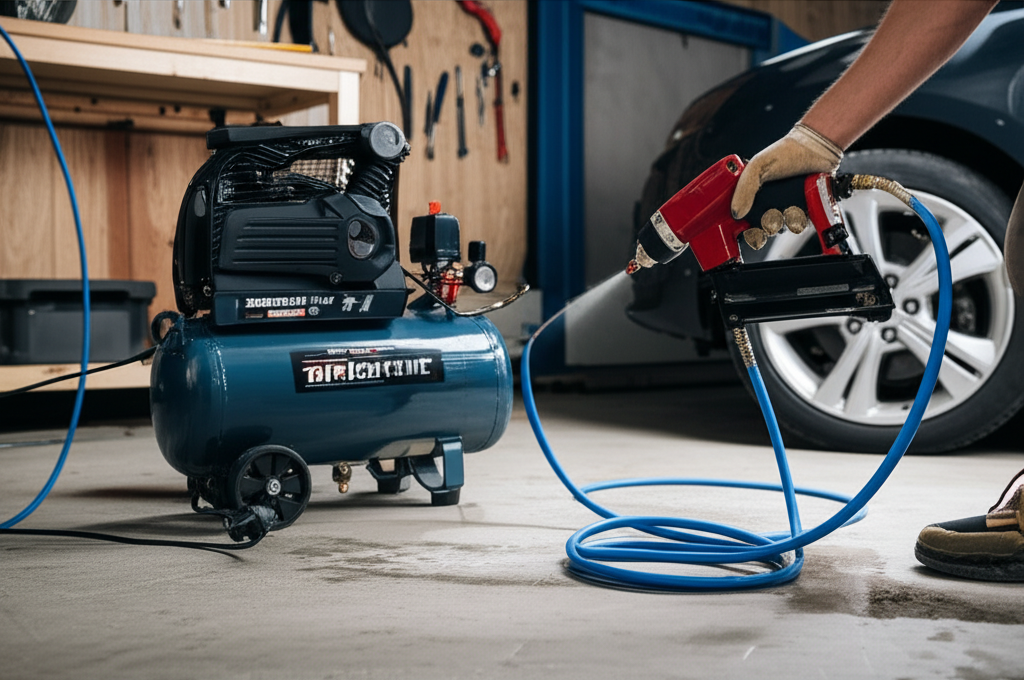
Yes, an air compressor can catch fire, but it’s a rare occurrence when proper safety guidelines are followed. Understanding potential fire hazards and implementing essential safety measures significantly reduces the risk. This guide will walk you through how to prevent fires and ensure safe operation.
Can Air Compressors Catch Fire? Essential Safety for Homeowners and DIYers
It’s a question that might pop into your head when you’re using your air compressor for the first time, or perhaps after a long DIY session in the garage. You’ve got this powerful machine humming away, pushing air with all its might. It’s natural to wonder about potential risks, especially something as serious as a fire. Don’t worry, though! While the thought of an air compressor fire is unsettling, it’s not a common problem. With a little knowledge and some simple safety steps, you can keep your compressor running smoothly and safely for years to come. We’re here to break down exactly what you need to know to avoid any smoky surprises and get the most out of your air compressor.
Understanding Air Compressor Fire Risks
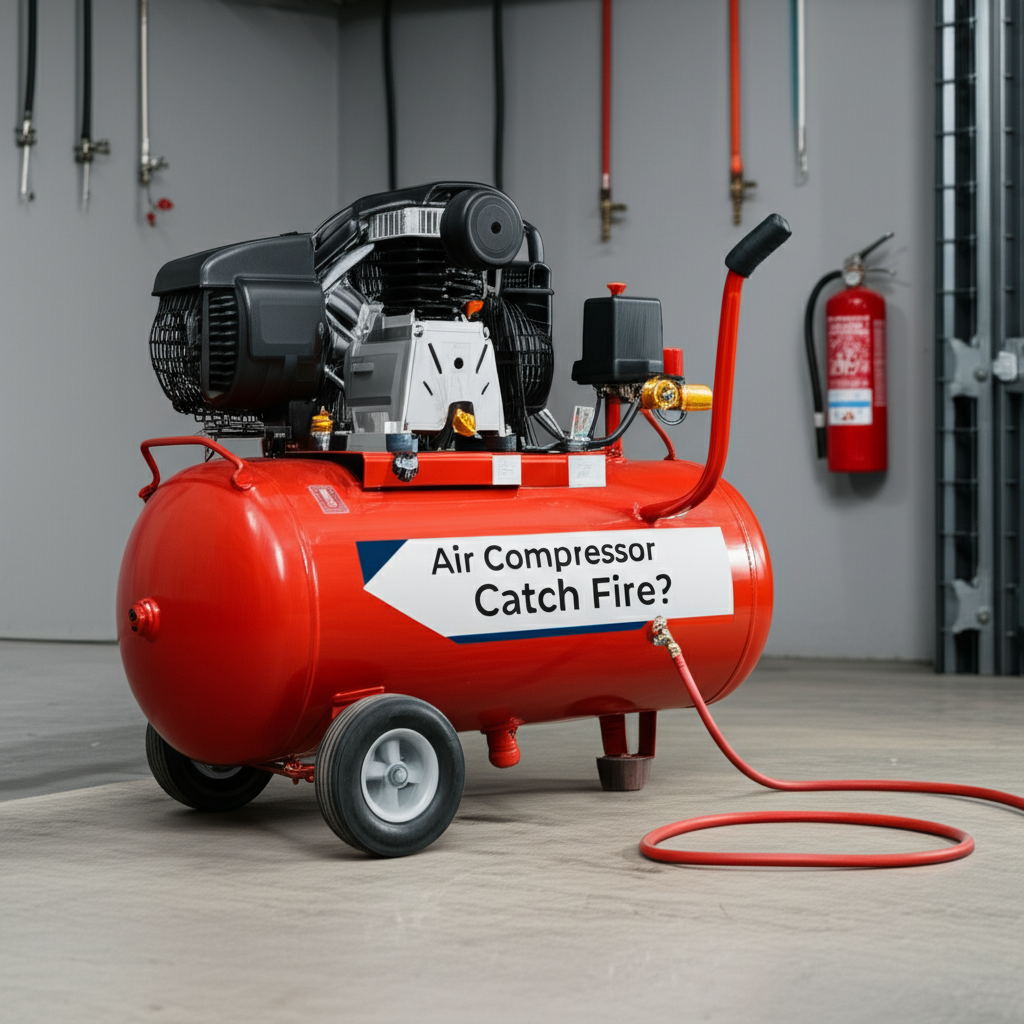
Air compressors themselves aren’t inherently flammable. They are typically made of metal and plastic, which are generally safe materials. However, like any electrical or mechanical equipment, they can become a fire hazard under certain conditions. The key is to understand what those conditions are and how to prevent them.
The primary ways an air compressor can contribute to a fire involve:
Overheating: This is the most common culprit. Compressors generate heat during operation. If this heat isn’t dissipated properly, or if the unit is pushed beyond its limits, internal components can overheat.
Electrical Faults: Like any appliance, wiring issues, faulty motors, or damaged power cords can create sparks or short circuits, which can ignite nearby flammable materials.
Flammable Materials: The presence of oil, dust, debris, or other flammable substances in or around the compressor can easily be ignited by a spark or excessive heat.
Improper Maintenance: Lack of cleaning, oil changes, or general upkeep can lead to component failure or the buildup of combustible materials.
Let’s dive deeper into each of these potential risks and, more importantly, how to mitigate them.
The Dangers of Overheating
Every air compressor is designed to operate within a specific temperature range. When a compressor overheats, several things can go wrong:
Motor Strain: The electric motor that drives the compressor can overheat, potentially damaging its windings. In extreme cases, this can lead to a meltdown or electrical fire.
Component Failure: Other internal parts, like belts or seals, can degrade and fail under excessive heat. If a failing component creates friction or sparks, it could ignite oil or dust.
Pressure Switch Malfunction: The pressure switch, which tells the compressor when to turn off, can also be affected by extreme heat, potentially causing the compressor to run continuously and overheat further.
Why Do Compressors Overheat?
Several factors can lead to your air compressor overheating:
Continuous Operation: Running the compressor for extended periods without allowing it to cool down can push it past its duty cycle.
Blocked Airflow: The compressor’s motor and pump need airflow to cool. If the intake or cooling fins are blocked by dust, debris, or anything else, heat can build up.
Low Oil Levels (for Oil-Lubricated Compressors): Oil not only lubricates but also helps cool the compressor’s internal parts. Insufficient oil means less cooling.
High Ambient Temperatures: Operating a compressor in a very hot environment, like a poorly ventilated shed on a summer day, makes it harder for the unit to cool itself.
Under-Sized Compressor: Trying to run tools that demand more air than your compressor can supply will cause it to run constantly, leading to overheating. It’s crucial to match your compressor to your tool’s CFM (Cubic Feet per Minute) requirements. You can find this information on your tool’s manual or packaging.
Electrical Faults: The Silent Threat
Electrical issues are a significant concern for any powered equipment. For air compressors, these can manifest in a few ways:
Damaged Power Cord: A frayed, cut, or pinched power cord can expose live wires. If these wires touch each other or a conductive surface, they can create a spark or short circuit.
Faulty Wiring or Connections: Loose or corroded internal wiring, or a faulty capacitor or motor, can also be a source of sparks.
Incorrect Voltage: Plugging a compressor into an outlet with the wrong voltage can strain the motor and potentially cause electrical issues. Always ensure your compressor’s voltage requirements match your power source.
The Role of Flammable Materials
Even with a perfectly functioning compressor, the presence of flammable materials can turn a minor issue into a serious fire.
Oil and Grease Buildup: Many compressors, especially larger ones, use oil for lubrication and cooling. Over time, oil can leak or splatter, and combined with dust and grime, it can create a combustible residue on the compressor’s housing or motor.
Dust and Debris: Garages, workshops, and outdoor sheds can accumulate dust, sawdust, insulation fibers, or oily rags. If a compressor is placed too close to these materials, a stray spark or a hot surface could easily ignite them.
Oily Rags: Spontaneous combustion can occur with oily rags if they are not stored properly. If an oily rag is left near a hot compressor, it can ignite.
Essential Safety Measures: Preventing Fires
Now that we understand the risks, let’s focus on how to prevent them. Implementing these safety practices is crucial for anyone using an air compressor.
1. Proper Placement and Ventilation
Where you put your air compressor is vital for its safe operation and longevity.
Clearance: Always place your compressor on a stable, level surface. Ensure there is at least 18-24 inches of clear space around the unit. This allows for adequate airflow to cool the motor and pump.
Avoid Flammable Materials: Keep the compressor away from combustible materials such as wood, paper, rags, solvents, paints, and gasoline.
Ventilation: If operating indoors, ensure the area is well-ventilated. Avoid enclosed spaces like small, unventilated closets or basements where heat can build up quickly. A garage with the door open is usually sufficient.
Outdoor Use: While many compressors can be used outdoors, be mindful of direct sunlight, which can increase ambient temperature, and rain, which can cause electrical hazards.
2. Regular Maintenance and Cleaning
A well-maintained compressor is a safer compressor. Make a habit of performing these checks:
Clean Air Intake and Filters: Regularly check and clean or replace the air intake filter. A clogged filter restricts airflow, making the compressor work harder and overheat. Refer to your owner’s manual for specific filter cleaning or replacement intervals.
Check Oil Levels (Oil-Lubricated Models): For oil-lubricated compressors, regularly check the oil level and top it up as needed. Perform oil changes according to the manufacturer’s recommendations. Low oil levels are a major cause of overheating and premature wear.
Inspect Power Cord and Plug: Before each use, visually inspect the power cord and plug for any signs of damage, such as cuts, frays, or exposed wires. If damage is found, do not use the compressor until the cord is repaired or replaced by a qualified technician.
Clean the Compressor Exterior: Periodically clean the exterior of the compressor, paying special attention to cooling fins and motor housing. Remove any accumulated dust, oil, or debris. A brush or compressed air can be effective for this.
3. Understanding Duty Cycles and Load
Every air compressor has a “duty cycle.” This is the percentage of time the compressor can run within a given period without overheating.
What is a Duty Cycle? For example, a 50% duty cycle means the compressor can run for 5 minutes out of every 10 minutes. A 75% duty cycle means it can run for 7.5 minutes out of every 10. Smaller, portable compressors often have lower duty cycles (e.g., 50% or less) than larger, stationary units.
Respect the Duty Cycle: Do not exceed your compressor’s duty cycle. If you need to run it for longer periods, consider a compressor with a higher duty cycle or allow the unit to cool down between uses.
Matching Compressor to Tool: Ensure your compressor’s CFM output meets or exceeds the CFM requirement of the tool you are using. If your compressor is constantly running to keep up with a high-demand tool, it will likely overheat. You can find CFM ratings on tool specifications and compressor manuals. For instance, a framing nailer might require 2-3 CFM at 90 PSI, while a sander or paint sprayer might need 8-15 CFM or more.
4. Electrical Safety Practices
Beyond inspecting the cord, follow these general electrical safety rules:
Use Proper Extension Cords: If you need an extension cord, use one that is rated for the amperage and voltage of your compressor and is heavy-duty. Undersized cords can overheat and cause voltage drop, straining the motor. Check out guidelines from the Occupational Safety and Health Administration (OSHA) on electrical safety.
Grounding: Ensure your compressor is properly grounded. Most compressors come with a three-prong plug for grounding. Never remove the ground pin or use adapters that bypass grounding.
Avoid Water: Never operate an air compressor in wet conditions or near water sources unless it is specifically designed for such use and has appropriate safety features. Water and electricity are a dangerous combination.
5. Safe Storage of Oily Rags
This is a critical point often overlooked.
Designated Metal Containers: Always store oily rags, paint-soaked rags, or any rags contaminated with flammable liquids in a designated, airtight metal container filled with water.
Proper Disposal: Dispose of these containers properly according to local regulations. Never leave them piled up or in a closed space where they can generate heat and spontaneously combust.
Troubleshooting Common Overheating Issues
If you notice your compressor is running hotter than usual or shutting off unexpectedly, here’s how to troubleshoot:
Check Airflow: Is the intake blocked? Are the cooling fins dirty?
Monitor Duty Cycle: Are you running it too long without a break?
Check Oil (if applicable): Is the oil level correct? Is the oil clean?
Listen for Unusual Noises: Grinding or squealing sounds can indicate internal problems that might generate extra heat.
* Inspect the Power Source: Is the voltage correct? Is the extension cord adequate?
If you suspect an electrical issue, or if the problem persists after basic checks, it’s best to unplug the unit and consult a qualified technician or the manufacturer.
Types of Compressors and Their Specific Safety Considerations
While the general safety principles apply to all air compressors, different types have unique considerations:
| Compressor Type | Key Safety Considerations
