The best battery for your cordless drill is usually the one that matches your drill’s voltage and brand, with lithium-ion technology offering the best balance of power, longevity, and weight for most DIYers. Consider amp-hours (Ah) for runtime and ensure it’s a reputable brand for reliability.
Hey there, fellow DIYers and home project enthusiasts! Samuel H. Murphy here, lead editor at Capische. If you’ve ever been in the middle of a project, only to have your cordless drill sputter and die, you know how frustrating that can be. It’s like hitting a wall just when you’re making progress! Choosing the right battery for your cordless drill might seem like a small detail, but it’s actually a huge factor in how well your tool performs and how much you enjoy using it. Don’t worry, though! We’re going to break down exactly what makes a great drill battery, so you can stop guessing and start drilling with confidence.
Understanding Cordless Drill Batteries: The Basics
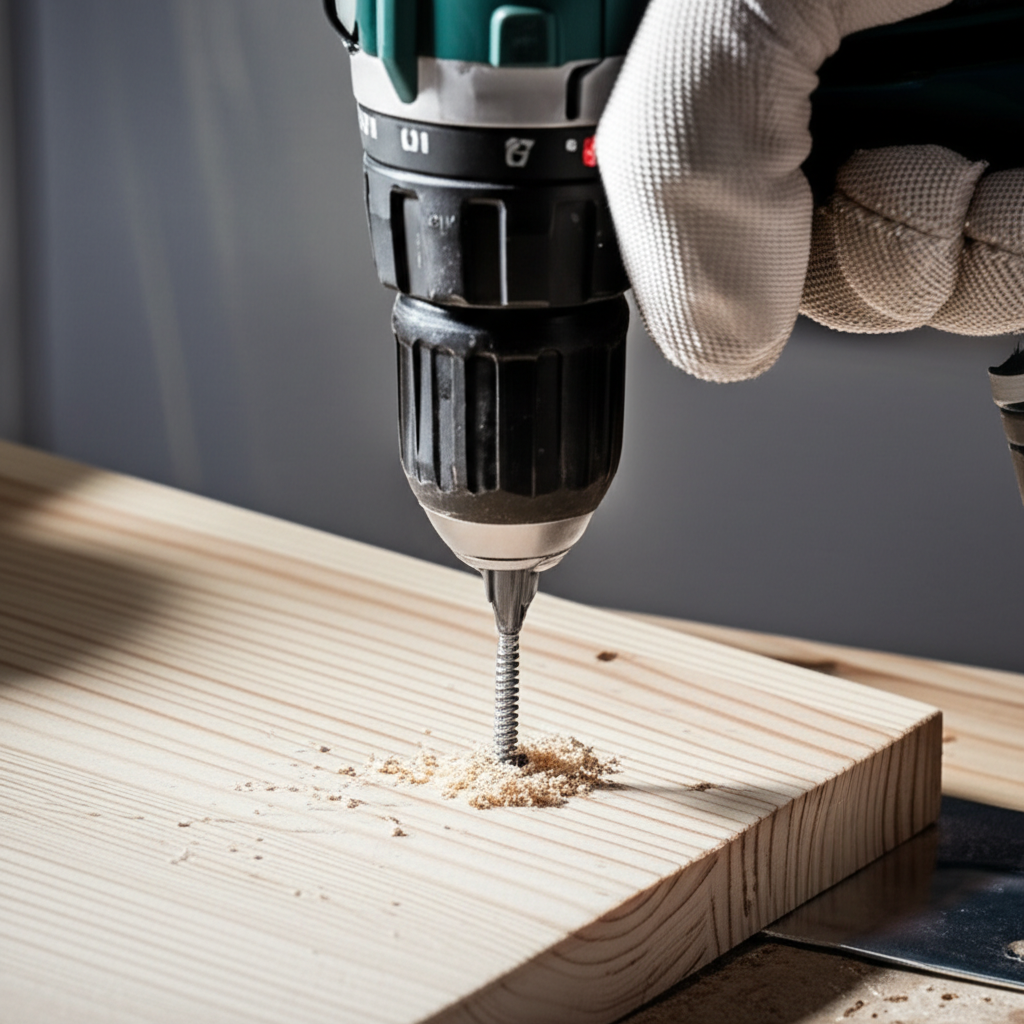
When you first look at cordless drill batteries, it can feel a bit overwhelming. You see different sizes, colors, and numbers. But at its core, a cordless drill battery is simply a portable power source designed to keep your drill running without being tethered to a wall outlet. The key to picking the best one for your needs lies in understanding a few fundamental concepts.
The Heart of the Matter: Battery Technology
For a long time, the go-to battery technology for cordless tools was Nickel-Cadmium (NiCd). While they were a step up from corded tools, NiCd batteries had their drawbacks. They were heavy, had a shorter lifespan, and suffered from the dreaded “memory effect,” meaning if you didn’t fully discharge them before recharging, their capacity would decrease over time.
Today, the undisputed champion for cordless drills is Lithium-ion (Li-ion) technology.
Here’s why Li-ion batteries are superior:
- Lighter Weight: Li-ion batteries are significantly lighter than NiCd batteries, making your drill more comfortable to handle, especially during extended use.
- No Memory Effect: You can recharge a Li-ion battery at any time, regardless of its charge level, without damaging its capacity.
- Higher Energy Density: This means they can store more power in a smaller, lighter package, giving you more runtime.
- Longer Lifespan: Li-ion batteries generally last longer and can withstand more charge cycles than their NiCd predecessors.
- Faster Charging: Most modern Li-ion batteries can be recharged much faster than NiCd batteries.
While there are other battery technologies like Nickel-Metal Hydride (NiMH), Li-ion remains the standard for performance and convenience in cordless power tools. If you’re buying a new drill or replacement battery, you’ll almost certainly be looking at Li-ion.
Voltage: The Power Behind the Performance
Voltage (measured in volts, V) is perhaps the most critical specification when choosing a battery for your cordless drill. Think of voltage as the “oomph” or power the battery delivers to the drill’s motor.
Lower Voltage (e.g., 12V, 18V): These are typically found in smaller, lighter drills. They are great for lighter tasks like driving screws into drywall, assembling furniture, or making small holes in softer materials. They are more maneuverable and less fatiguing for quick jobs.
Higher Voltage (e.g., 20V, 36V, 40V, 60V, 80V): These batteries power more robust drills designed for tougher jobs. Think drilling into concrete, driving large lag bolts, or using hole saws. Higher voltage generally means more torque and power, allowing the drill to handle more demanding applications.
Crucial Point: You must use a battery that matches the voltage of your drill. A 12V battery will not power a 20V drill, and attempting to use a higher voltage battery (if it even fits) on a lower voltage drill can damage the tool. Most brands have standardized their voltage systems, so an 18V battery from Brand X might work with an 18V tool from Brand X, but it’s always best to stick within the same brand ecosystem for guaranteed compatibility and performance.
Amp-Hours (Ah): How Long Will It Last?
Once you’ve got the voltage sorted, the next important spec is Amp-hours (Ah). This tells you how much current the battery can deliver over time, and therefore, how long it will last on a single charge.
Higher Ah = Longer Runtime: A 4.0 Ah battery will generally last twice as long as a 2.0 Ah battery under the same load.
Trade-off: Weight and Cost: Higher Ah batteries are usually larger, heavier, and more expensive.
For most DIYers, a battery in the 2.0 Ah to 4.0 Ah range is a good starting point. If you find yourself constantly swapping batteries or running out of juice mid-project, consider upgrading to a higher Ah battery. For very demanding or professional use, 5.0 Ah or even 6.0 Ah batteries are common.
Here’s a simple way to think about it:
| Battery Capacity (Ah) | Typical Runtime (Relative) | Best For |
|---|---|---|
| 1.5 Ah – 2.0 Ah | Short bursts, light tasks | Quick fixes, furniture assembly, driving screws |
| 3.0 Ah – 4.0 Ah | Moderate runtime, versatile use | General DIY, drilling wood and metal, occasional heavy use |
| 5.0 Ah+ | Extended runtime, heavy-duty applications | Extended projects, frequent heavy use, impact driving |
Choosing the Right Battery for Your Needs: A Practical Guide
Now that we understand the core concepts, let’s apply them to your specific situation. The “best” battery isn’t a one-size-fits-all answer; it depends on what you’ll be doing with your drill.
For the Occasional DIYer & Homeowner
If you’re a homeowner who tackles weekend projects, hangs shelves, assembles IKEA furniture, or does minor repairs around the house, you likely don’t need the most powerful or longest-lasting battery available.
Recommended Voltage: 18V or 20V MAX (most brands use “20V MAX” to indicate the peak voltage when fully charged, which drops under load. These are generally interchangeable with their 18V counterparts).
Recommended Amp-Hours: 2.0 Ah to 3.0 Ah. This offers a good balance of runtime and weight for typical household tasks.
Considerations: Look for kits that come with one or two batteries. If you’re buying a battery separately, a 2.0 Ah or 3.0 Ah is usually a cost-effective and practical choice.
For the Enthusiast & Frequent User
If you’re a bit more hands-on, perhaps a boat owner, RV enthusiast, or someone who enjoys larger DIY projects like building a deck or fence, you’ll want something with a bit more stamina.
Recommended Voltage: 18V or 20V MAX (for versatility across many tool platforms).
Recommended Amp-Hours: 4.0 Ah to 5.0 Ah. This will give you significantly more runtime, reducing the need to swap batteries or wait for a recharge during longer sessions.
Considerations: If your drill frequently stalls or you find yourself needing more power for tougher materials, a higher voltage system (like 20V MAX or even 40V for more demanding tasks) might be worth considering.
For Heavy-Duty Applications & Professionals
If your drill is a primary workhorse for construction, automotive repair, or frequent use on tough materials, you’ll need batteries that can keep up.
Recommended Voltage: 20V MAX, 40V, or even higher systems (e.g., 60V, 80V) depending on the tool’s specific application.
Recommended Amp-Hours: 5.0 Ah and above. These high-capacity batteries are designed for maximum runtime and consistent power delivery.
* Considerations: You might want to invest in multiple batteries so you always have a fresh one ready. Look for drills with brushless motors, as they are more efficient and pair well with high-capacity batteries.
Brand Ecosystems: Sticking with What You Know
One of the biggest advantages of buying into a specific brand’s cordless tool system is battery compatibility. Most major power tool manufacturers have developed extensive lines of tools that all use the same battery platform.
For example:
- DeWalt: Their 20V MAX system is incredibly popular and powers everything from drills and impact drivers to saws, vacuums, and even outdoor power equipment.
- Milwaukee: Known for its M18 and M12 systems, offering a wide range of tools for different needs.
- Makita: Offers 18V LXT and 40V XGT platforms with a vast selection of tools.
- Ryobi: A very popular choice for homeowners and DIYers, with its 18V ONE+ system powering hundreds of tools.
Why is this important? If you own a DeWalt 20V drill, you can likely use the same 20V MAX batteries with a DeWalt 20V reciprocating saw, sander, or leaf blower. This saves you money and simplifies charging. It’s generally recommended to stick with the batteries designed for your specific tool brand to ensure optimal performance and safety.
While there are third-party battery manufacturers, and some universal battery adapters exist, they often come with risks. Performance might be inconsistent, and in some cases, they could even damage your tools or pose a safety hazard. It’s usually best to buy genuine batteries from the tool manufacturer.
Beyond the Basics: What Else Matters?
Battery Indicators and Features
Many modern Li-ion batteries come with built-in LED indicators that show the remaining charge. This is incredibly handy for knowing when to swap or recharge before you’re left powerless. Some high-end batteries also feature advanced battery management systems (BMS) that monitor and regulate charging and discharging for optimal performance and battery health.
Charging Speed
If you’re in a pinch, charging speed can be a deciding factor. Most brands offer standard chargers and “rapid” or “fast” chargers. A fast charger can often bring a 2.0 Ah battery up to 80% charge in 30-45 minutes, which is a lifesaver for quick turnarounds.
Durability and Protection
Consider the battery’s construction. Many are built with robust casings designed to withstand drops and impacts, which are inevitable on job sites or during DIY projects. Some also have internal protection against overheating, over-discharge, and short circuits.
Cost vs. Value
While it’s tempting to go for the cheapest option, remember that batteries are an investment in your tools. A genuine, higher-capacity battery from a reputable brand might cost more upfront, but its longer lifespan and reliable performance often provide better value in the long run.
How to Care for Your Cordless Drill Batteries
Proper battery care can significantly extend its lifespan and ensure consistent performance.
- Avoid Extreme Temperatures: Don’t leave batteries in a hot car or freezing garage. Store them in a cool, dry place.
- Don’t Overcharge (Not an issue for Li-ion, but good practice): While Li-ion batteries have built-in protection, it’s still a good idea to remove them from the charger once fully charged.
- Avoid Full Discharge: Unlike older NiCd batteries, Li-ion batteries don’t need to be fully drained. Partial charges are fine.
- Keep Contacts Clean: Ensure the metal contacts on the battery and the drill are clean and free of debris. You can gently wipe them with a dry cloth.
- Use the Correct Charger: Always use the charger specifically designed for your battery type and voltage.
- Store Properly: If storing for an extended period (months), charge the battery to about 50-60% and store it in a cool environment.
Frequently Asked Questions (FAQs)
Can I use a battery from another brand in my drill?
Generally, no. Batteries are designed for specific voltage and connector systems. While some adapters might exist, they are often not recommended as they can lead to poor performance, damage your tool, or pose a safety risk. It’s best to stick with batteries made by your drill’s manufacturer.
What does “20V MAX” really mean?
The “MAX” indicates the peak voltage the battery reaches when it’s fully charged. As the battery is used, its voltage will drop. Most 20V MAX tools operate on a nominal voltage closer to 18V when under load. This is a marketing standard, and these batteries are typically interchangeable with other 18V systems from the same brand.
How do I know if I need a higher amp-hour (Ah) battery?
If you find yourself frequently running out of power before completing your tasks, or if your drill seems to struggle and lose power quickly, a higher Ah battery will provide longer runtime and potentially more consistent power delivery.
Are all lithium-ion batteries the same?
No, while they all use lithium-ion technology, there are variations in cell quality, internal circuitry, and capacity (Ah). Reputable brands invest in higher-quality cells and robust battery management systems for better performance, longevity, and safety.
Can I buy a used battery for my drill?
It’s generally not recommended to buy used batteries unless you know their history and condition. Li-ion batteries degrade over time and with use. A used battery might have significantly reduced capacity or a shorter lifespan, leading to disappointment and potential safety issues.
How long should a cordless drill battery last?
With proper care, a good quality Li-ion battery can last anywhere from 3 to 5 years, or for several hundred charge cycles. Factors like usage intensity, charging habits, and exposure to extreme temperatures can affect its lifespan. You’ll notice a decrease in runtime when the battery starts to age.
Conclusion: Powering Your Projects with Confidence
Choosing the right battery for your cordless drill is all about matching the power (voltage) and endurance (amp-hours) to your specific needs, while also sticking within a reliable brand ecosystem. For most homeowners and DIYers, a 20V MAX or 18V Li-ion battery in the 2.0 Ah to 4.0 Ah range offers the best blend of performance, convenience, and value.
Don’t underestimate the impact a good battery can have on your experience. It means less frustration, more efficiency, and the ability to tackle your projects with confidence. By understanding the basics of voltage, amp-hours, and battery technology, and by taking good care of your batteries, you’ll ensure your cordless drill is a dependable partner for years to come. Happy drilling!
