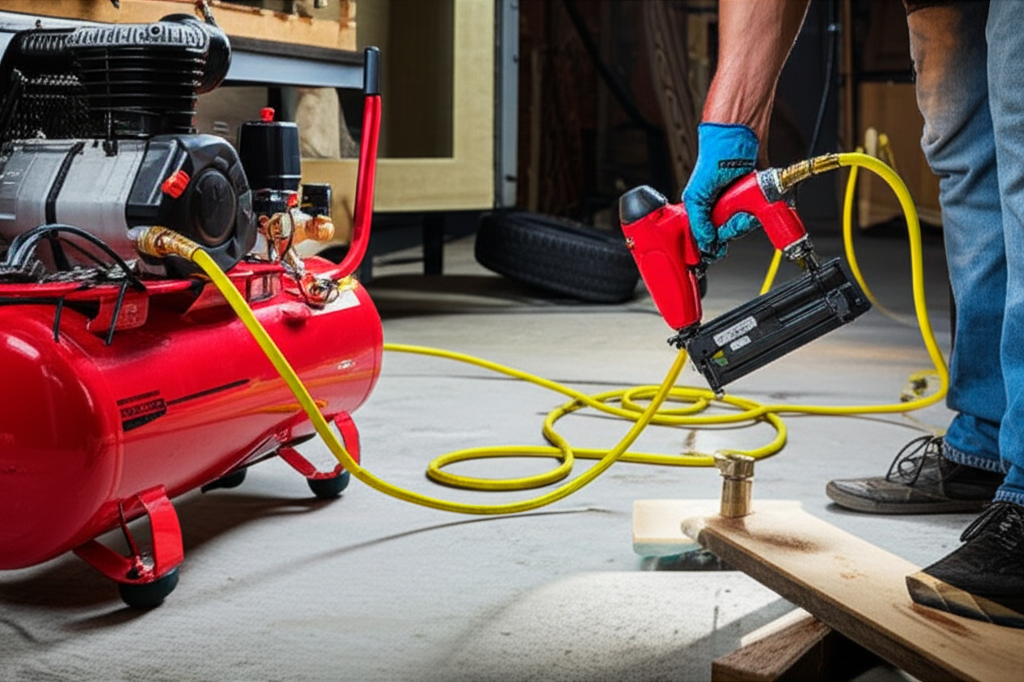
No, air compressor pressure switches are not universally interchangeable. While many share similar functions and appearances, crucial differences in voltage, amperage, cut-in/cut-out settings, and port configurations mean you must match a replacement switch precisely to your compressor’s specifications to ensure safe and efficient operation.
Hey there, fellow DIYers and homeowners! If you’re diving into the world of air compressors, you’ve probably encountered that little gizmo that seems to control everything – the pressure switch. It’s the unsung hero that turns your compressor on when the pressure drops and off when it’s ready. But what happens when it stops doing its job? You might be tempted to grab any old pressure switch you can find to get your tools running again. It’s a common question: are air compressor pressure switches universal? Let’s clear the air on this important topic. We’ll break down exactly why they aren’t and what you need to know to pick the right one, keeping your compressor safe and your projects moving forward.
Understanding Your Air Compressor Pressure Switch
At its core, an air compressor pressure switch is a safety and control device. Its primary job is to monitor the air pressure inside the compressor’s tank. When the pressure falls below a certain point (the “cut-in” pressure), it closes an electrical circuit, telling the motor to start pumping air. When the tank reaches its maximum safe operating pressure (the “cut-out” pressure), the switch opens the circuit, stopping the motor. This cycle prevents the tank from over-pressurizing and protects the motor from running unnecessarily.
Think of it like a thermostat for your air pressure. It’s essential for both the performance and the longevity of your air compressor. A faulty pressure switch can lead to a compressor that runs constantly, overheats, or fails to build pressure at all, which can be frustrating and even dangerous.
Why “Universal” Isn’t Really Universal
The idea of a “universal” part is appealing, especially when you’re eager to get back to work. However, when it comes to air compressor pressure switches, this is a dangerous misconception. While many switches might look similar and perform the basic function of turning a motor on and off, there are critical differences that make them incompatible with different compressor models.
Here are the key reasons why a one-size-fits-all approach doesn’t work:
- Voltage Ratings: Compressors operate on different voltages, commonly 110-120V or 220-240V. A pressure switch is designed to handle specific electrical loads. Using a switch rated for a lower voltage on a higher voltage system can cause it to overheat, fail, or even become a fire hazard.
- Amperage Ratings: The motor on your air compressor draws a certain amount of electrical current (amperage). The pressure switch must be rated to safely handle this amperage. If the switch’s amperage rating is too low, its internal contacts can fuse or burn out, leading to malfunction or failure.
- Cut-In and Cut-Out Pressure Settings: Every compressor is designed to operate within a specific pressure range. The pressure switch dictates these settings. A switch with incorrect cut-in or cut-out pressures will either cause the compressor to short-cycle (turn on and off too frequently) or fail to build adequate pressure. This can damage the motor and prevent your tools from functioning correctly.
- Unloader Valve Port: Many pressure switches have a small port that connects to the compressor’s unloader valve. This valve releases pressure from the pump head when the motor stops, making it easier to restart. The size and type of this port need to match your compressor’s unloader mechanism.
- Differential Pressure: This refers to the difference between the cut-in and cut-out pressures. It’s important for efficient operation. A switch with an inappropriate differential can lead to inconsistent pressure and premature wear on the motor.
- Number and Type of Terminals: While less common for basic switches, some may have different configurations of electrical terminals for connecting wires, especially if they include features like auto-off or specific motor starting circuits.
How to Find the Right Replacement Pressure Switch
So, if universal isn’t the answer, how do you find the correct pressure switch for your air compressor? It’s all about matching the specifications. Don’t guess – be precise!
Step 1: Identify Your Compressor’s Specifications
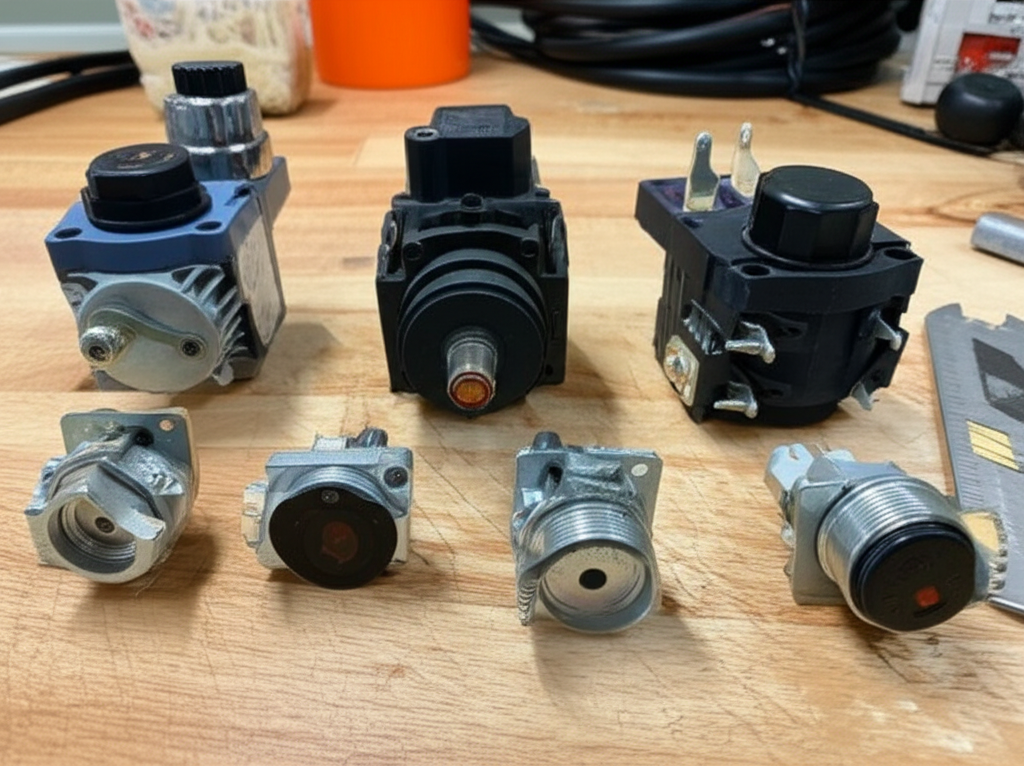
The first step is to gather information about your existing air compressor. You can usually find this on:
- The Compressor’s Data Plate: This metal plate, often riveted to the compressor’s tank or motor, contains vital information like voltage, amperage, horsepower, and sometimes even the model number.
- The Owner’s Manual: If you still have it, the manual is your best friend. It will detail all the specifications and often provide part numbers for replacement components.
- The Old Pressure Switch Itself: Most pressure switches have labels or stamps indicating their voltage, amperage, and pressure settings.
Step 2: Read the Label on Your Current Pressure Switch
Carefully examine the existing pressure switch. Look for markings that indicate:
- Voltage (V): e.g., 110-120V, 220-240V
- Amperage (A or AMPS): e.g., 10A, 15A, 20A
- Cut-In Pressure: The pressure at which the motor turns on.
- Cut-Out Pressure: The pressure at which the motor turns off.
- Differential Pressure: The difference between cut-out and cut-in.
- Maximum Tank Pressure: The highest safe pressure the switch is rated for.
Here’s a sample of what you might find on a pressure switch label:
| Specification | Example Value | Meaning |
|---|---|---|
| Voltage | 110-120V | The electrical voltage the switch is designed for. |
| Amperage | 15A | The maximum electrical current the switch can safely handle. |
| Cut-In Pressure | 95 PSI | The pressure at which the compressor motor starts. |
| Cut-Out Pressure | 125 PSI | The pressure at which the compressor motor stops. |
| Differential | 30 PSI | The difference between cut-out and cut-in pressure (125 – 95 = 30). |
Step 3: Search for a Compatible Replacement
Once you have these specifications, you can begin searching for a replacement. Here are your best options:
- Manufacturer’s Parts Department: This is often the most reliable way to get an exact match. Contact the manufacturer of your air compressor and provide them with your compressor’s model and serial number. They can often provide the correct part number for the pressure switch.
- Reputable Online Retailers: Many online stores specialize in air compressor parts. Use their search filters to input your compressor’s voltage, amperage, and pressure settings. Look for detailed product descriptions that confirm compatibility. Websites like Grainger, McMaster-Carr, or specialized air compressor parts suppliers are good resources.
- Local Repair Shops: If you have a local small engine or air compressor repair shop, they can often help you identify and source the correct switch.
The Replacement Process: A Step-by-Step Guide
Replacing a pressure switch is a manageable DIY task, but it requires caution due to the electrical components involved. If you are uncomfortable working with electricity, it’s always best to consult a qualified electrician or technician.
Safety First!
Before you begin, always prioritize safety. Working with electrical components and pressurized air tanks can be hazardous if not done correctly.
- Disconnect Power: Ensure the compressor is unplugged from the electrical outlet.
- Bleed All Air Pressure: Open the drain valve at the bottom of the tank and let all the air out. Verify that the tank is completely depressurized.
- Wear Safety Gear: Use safety glasses to protect your eyes from any dust or debris.
Tools You’ll Need:
- New, compatible pressure switch
- Screwdrivers (Phillips and flathead)
- Wrench or socket set (for removing the old switch and installing the new one)
- Wire strippers/crimpers (if needed for terminal connections)
- Electrical tape
- Thread sealant or Teflon tape (for the threaded port)
- Your compressor’s manual (if available)
Step-by-Step Replacement:
- Locate the Pressure Switch: It’s typically mounted near the compressor’s motor and pump, often connected to the main air line coming from the pump head.
- Document Wiring: Before disconnecting any wires, take clear photos or draw a diagram of how the wires are connected to the terminals on the old switch. This is crucial for correct reinstallation.
- Disconnect Wires: Using a screwdriver, carefully loosen the terminal screws and remove the wires from the old pressure switch.
- Remove the Old Switch: Use a wrench or socket to unscrew the old pressure switch from the compressor tank or manifold. Be prepared for a small amount of residual air or oil.
- Prepare the New Switch: Apply thread sealant or Teflon tape to the threads of the new pressure switch to ensure a good seal.
- Install the New Switch: Screw the new pressure switch into the tank or manifold. Tighten it securely with a wrench, but avoid over-tightening, which could damage the threads.
- Reconnect Wires: Refer to your photos or diagram and carefully reconnect the wires to the corresponding terminals on the new pressure switch. Ensure connections are tight and secure.
- Check Unloader Port (If Applicable): If your switch has an unloader port, connect the small hose from the unloader valve to the corresponding port on the new switch.
- Restore Power and Test: Plug the compressor back in. The motor should start if the tank pressure is below the cut-in setting. Let the compressor run and build pressure. Observe that it shuts off automatically at the correct cut-out pressure.
- Check for Leaks: Listen for any air leaks around the new pressure switch connection. If you detect any, you may need to tighten it slightly or reapply thread sealant.
Common Pressure Switch Issues and Troubleshooting
Even with the correct switch, you might encounter issues. Here are a few common problems and how to address them:
- Compressor Won’t Start:
- Check power supply.
- Ensure wires are correctly connected to the switch.
- Verify the tank pressure is below the cut-in setting.
- The new switch might be faulty (rare, but possible).
- Compressor Runs Continuously:
- The cut-out pressure setting might be too high or the switch isn’t activating.
- Check the unloader valve – if it’s stuck open, the compressor can’t build pressure effectively.
- The new switch may be malfunctioning.
- Compressor Cycles Too Frequently (Short Cycling):
- The differential pressure setting on the switch might be too narrow.
- Check for air leaks in the system.
- Compressor Doesn’t Reach Cut-Out Pressure:
- The cut-out pressure setting might be too low.
- There could be a leak in the tank or plumbing.
- The pump itself might be worn or damaged.
For more in-depth troubleshooting, resources like those from the Occupational Safety and Health Administration (OSHA) provide valuable information on compressed air safety, which includes understanding system components.
Factors Affecting Pressure Switch Lifespan
Even with the correct switch, several factors can influence how long it lasts:
- Duty Cycle: How often and how long the compressor runs. Heavy use will naturally lead to wear.
- Environmental Conditions: Extreme temperatures, humidity, dust, and corrosive environments can degrade the switch over time.
- Power Quality: Voltage fluctuations or “dirty” power can stress electrical components.
- Proper Installation: Correct wiring and secure connections prevent premature failure.
- Maintenance: Keeping the compressor clean and ensuring other components (like the unloader valve) are functioning correctly reduces strain on the pressure switch.
Frequently Asked Questions (FAQs)
Can I adjust the pressure settings on my existing switch?
Yes, most pressure switches have adjustment screws for the cut-in and cut-out pressures, and sometimes for the differential. However, it’s crucial to adjust them carefully according to your compressor’s manual and to ensure you don’t exceed the tank’s maximum pressure rating. Incorrect adjustments can be dangerous.
What happens if I use a pressure switch with a lower amperage rating?
Using a pressure switch with a lower amperage rating than your compressor motor requires is dangerous. The switch’s internal contacts can overheat, melt, fuse together, or burn out. This can lead to the compressor motor running continuously, overheating, or the switch failing entirely, posing a fire risk.
My old switch had 4 terminals, but the new one only has 2. Is this okay?
It depends on the function of the extra terminals. Some switches have terminals for a thermal overload reset, a low-voltage release, or an unloader solenoid. If the new 2-terminal switch matches the voltage, amperage, and pressure settings, and you don’t need those extra features, it might be acceptable. However, always consult the manufacturer or a qualified technician to be sure, as bypassing safety features can be risky.
What is the “unloader” port on a pressure switch?
The unloader port is a small connection on the pressure switch that typically connects via a small hose to the compressor’s unloader valve. When the pressure switch trips (shuts off the motor), it sends a signal (often a small burst of air) through this port to the unloader valve. The unloader valve then releases any residual pressure trapped in the pump’s cylinder head, making it easier for the motor to restart under load.

Samuel H. Murphy is DIY expert and Interior Designer. He is also a part time content writer of Capische. He lives in Warren city, Michigan. He test tools like drill, saw, sander, air compressor etc and helps readers to find out the best tools.