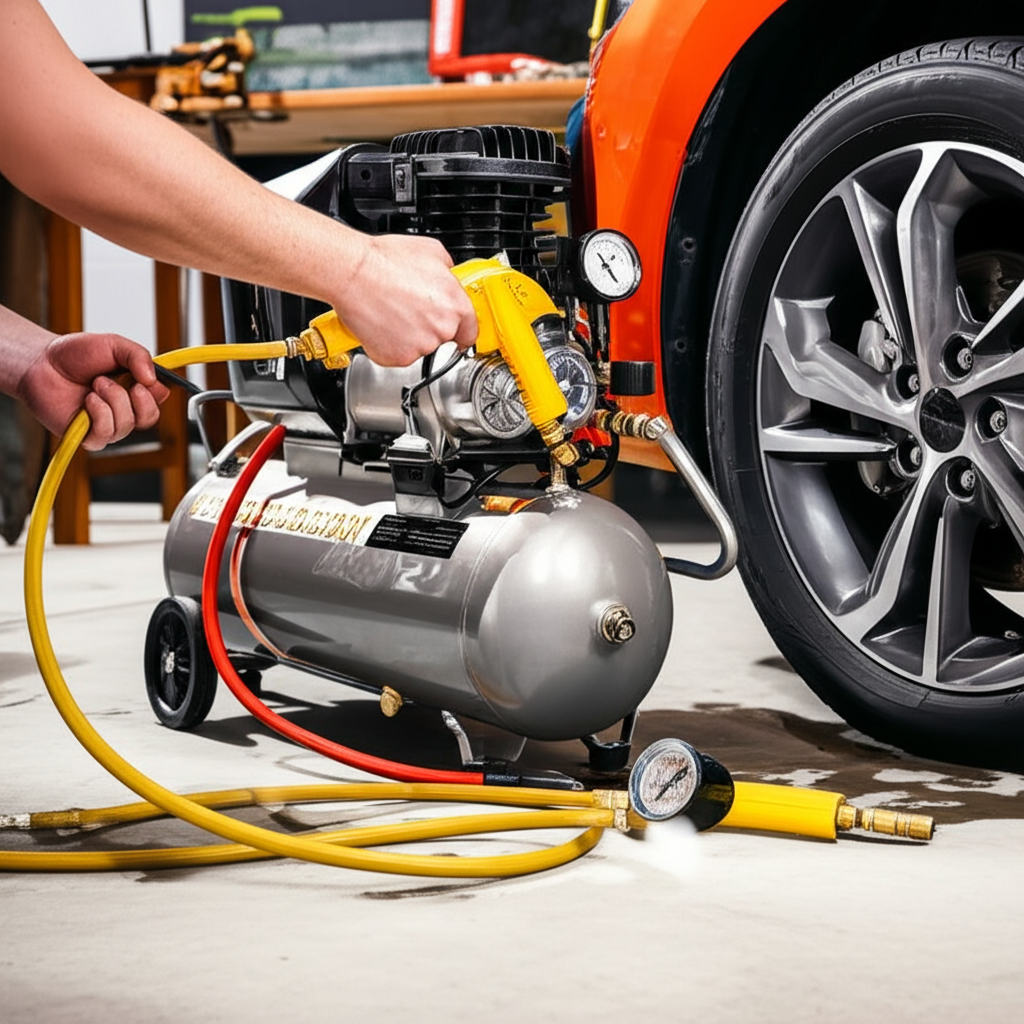
Can an air compressor be used as a pressure washer? Yes, with the right attachments and understanding of limitations, an air compressor can provide a concentrated blast of air and water for cleaning tasks, offering a gentler alternative to high-pressure washing.
Ever looked at your trusty air compressor and wondered if it could tackle that grimy patio or muddy car? It’s a common thought for many DIYers and homeowners. You’ve got this powerful machine already, so why buy another tool? The good news is, your air compressor can help with cleaning, but it’s not quite a direct swap for a dedicated pressure washer. Let’s dive into how you can leverage your compressor’s power for cleaning, safely and effectively. We’ll break down what you need, how to do it, and what to expect.
Understanding the Difference: Air Compressor vs. Pressure Washer
Before we get into the “how,” it’s crucial to understand the fundamental difference between these two tools. Think of it like comparing a garden hose to a fire hose.
Air Compressors: These machines build up compressed air. They are designed to power pneumatic tools like nail guns, paint sprayers, and impact wrenches, or to inflate tires. The force comes from the volume and speed of air released.
Pressure Washers: These are specifically built to use a pump to force water through a nozzle at very high pressure. The cleaning power comes from the high-pressure water stream.
While an air compressor can move air and, with attachments, water, it won’t achieve the same intense, focused water pressure as a dedicated pressure washer. This distinction is important for managing expectations and choosing the right tool for the job.
Can You Really Use an Air Compressor as a Pressure Washer?
The short answer is: yes, with modifications and a different approach. You can’t just hook up a hose and expect a high-pressure water blast. However, you can create a cleaning system that uses compressed air to propel water. This is often achieved using specialized attachments or by creating a DIY setup.
The key is understanding that you’re not creating “pressure washing” in the traditional sense. You’re using compressed air to atomize water or to create a powerful air blast that can dislodge dirt and debris.
How It Works: The Mechanics of Air-Assisted Cleaning
The most common way to use an air compressor for cleaning tasks that mimic pressure washing involves a few key components:
1. Air Compressor: The heart of the system, providing the compressed air.
2. Water Source: A bucket, tank, or hose to supply the water.
3. Air/Water Nozzle or Injector: This is the critical attachment. It’s designed to either:
Inject water into the airflow: A venturi effect draws water into the compressed air stream, creating a fine mist or a more concentrated spray.
Atomize water: The compressed air breaks the water into tiny droplets, which can then be directed at a surface.
This method is often gentler than a true pressure washer, making it suitable for tasks where high pressure might cause damage.
What You’ll Need: Essential Gear for Air-Powered Cleaning
To get started, you’ll need more than just your air compressor. Here’s a breakdown of the essential equipment:
Air Compressor: Ensure it has sufficient tank capacity and a decent CFM (Cubic Feet per Minute) rating. A larger tank means longer run times, and higher CFM means more consistent airflow. For cleaning tasks, a compressor with at least a 20-gallon tank and 4-6 CFM at 90 PSI is a good starting point.
Air Hose: A durable air hose rated for the pressure your compressor produces.
Water Source: A clean bucket, a small water tank, or a garden hose connection.
Air/Water Nozzle Attachment: This is the specialized piece of equipment. You can find various types:
Syphon-feed spray guns: These have a cup for liquid and use compressed air to spray it.
Water injection nozzles: These attach to your existing air blow gun and have a small tube that dips into your water source.
Specialized “air washer” or “sandblaster” attachments: Some tools designed for sandblasting can be adapted to spray water or cleaning solutions.
Safety Gear: Absolutely crucial!
Safety Glasses or Goggles: Protect your eyes from water, debris, and any cleaning solutions.
Gloves: Protect your hands, especially if using cleaning solutions.
Dust Mask or Respirator: If using cleaning chemicals or if there’s a risk of airborne debris.
Cleaning Solutions (Optional): Depending on the task, you might use water alone or add mild detergents or specialized cleaning agents. Always check compatibility with your attachments and the surface you’re cleaning.
Choosing the Right Nozzle Attachment
The type of nozzle you use will significantly impact the effectiveness and application of your air-powered cleaning.
| Attachment Type | How it Works | Best For | Considerations |
| :—————————– | :————————————————————————————————————————————– | :—————————————————————————————————————————————- | :——————————————————————————————————————————————- |
| Syphon-Feed Spray Gun | Draws liquid from a attached cup or reservoir into the air stream. | Applying cleaning solutions, rinsing, light washing of vehicles, outdoor furniture. | Limited liquid capacity in the cup; may require frequent refilling. |
| Water Injection Blow Gun | Attaches to a standard blow gun; a small tube dips into a water source, and compressed air draws water through and sprays it. | Gentle rinsing, dust removal with a damp effect, cleaning delicate surfaces. | Relies on a good seal and consistent water level. Water spray is typically less concentrated. |
| Sandblasting Attachment | Designed to propel abrasive media; can often be used with water or cleaning solutions for a more aggressive cleaning action. | Removing stubborn grime, rust, or paint from durable surfaces. | Can be very aggressive; requires robust safety precautions and a powerful compressor. Not suitable for delicate materials. |
| Specialized Air Washer | Tools specifically marketed for “air washing” or “wet blasting” that combine air and water in a controlled manner. | Versatile for various cleaning tasks, offering a balance between air and water pressure. | May be more expensive; performance varies by model. |
Step-by-Step: How to Use Your Air Compressor for Cleaning
Let’s get practical. Here’s a general guide on how to set up and use your air compressor for cleaning tasks. Always refer to the specific instructions for your chosen nozzle attachment.
Step 1: Prepare Your Workspace and Safety Gear
Clear the Area: Remove any loose debris, plants, or items that could be damaged or blown around.
Put on Safety Gear: Wear your safety glasses, gloves, and a mask if necessary. Ensure your compressor is on a stable, level surface.
Connect Air Hose: Securely connect the air hose to your compressor’s outlet and the chosen nozzle attachment. Check all connections for leaks.
Step 2: Set Up Your Water Source and Attachment
Water Bucket/Tank: If using a water injection type, place your clean water bucket within reach of the attachment’s syphon tube. Ensure the tube is fully submerged.
Syphon Feed: Fill the cup of your syphon-feed spray gun with your chosen cleaning solution or water.
Connect Water Source (if applicable): Some specialized attachments might connect directly to a garden hose.
Step 3: Configure Your Air Compressor
Check Oil Levels (if applicable): For oiled compressors, ensure the oil level is correct.
Set Regulator: Adjust the air regulator on your compressor. Start with a lower pressure (e.g., 40-60 PSI) and gradually increase if needed. This is crucial for controlling the spray and preventing damage. Never exceed the maximum pressure rating of your nozzle attachment.
Turn On Compressor: Allow the compressor to build pressure in the tank.
Step 4: Test the Spray
Aim Away from Yourself: Before pointing at the surface you want to clean, test the spray on an inconspicuous area or scrap material.
Adjust Pressure: Fine-tune the regulator to achieve the desired spray intensity. You’re looking for a consistent stream or mist, not an uncontrolled blast.
Water Flow: Ensure water is being drawn and mixed with the air effectively. If using a water injection type, the syphon tube must remain submerged.
Step 5: Begin Cleaning
Hold at the Correct Distance: Experiment with the distance between the nozzle and the surface. Closer for more concentrated cleaning, further for a gentler rinse or mist.
Work in Sections: Move the nozzle in a consistent pattern, overlapping your passes, similar to how you might paint.
Rinse Thoroughly: If you used a cleaning solution, rinse the area well with plain water.
Monitor Compressor: Keep an eye on your compressor’s tank pressure and run time. Allow it to cycle and rest as needed.
Step 6: Clean Up and Maintenance
Drain Water: Empty any water from your spray gun or attachments.
Clean Attachments: Rinse your nozzle attachments thoroughly with clean water to prevent clogging.
Drain Air Tank: Crucially, always drain the moisture from your compressor’s tank after each use. This prevents rust and corrosion inside the tank. Open the drain valve at the bottom of the tank and let any water escape.
Store Properly: Store your compressor and attachments in a clean, dry place.
Where Can You Use Your Air-Powered Cleaning Setup?
This method is best suited for tasks that don’t require extreme pressure. Think of it as a powerful, directed rinse or a way to apply cleaning solutions effectively.
Car Washing: Rinsing soap off your vehicle, cleaning wheel wells, or removing light mud.
Outdoor Furniture: Cleaning plastic, metal, or treated wood patio furniture.
Bicycles: Rinsing off dirt and grime after a ride.
Garage Floors: Blowing away dust and light debris, or rinsing with a cleaning solution.
Delicate Surfaces: Cleaning items that might be damaged by the high pressure of a true pressure washer, like certain types of siding or painted surfaces.
Applying Sealants or Cleaners: Some attachments are excellent for evenly distributing cleaning solutions or sealants.
What to Avoid
It’s equally important to know what this setup is not good for:
Heavy-duty surface cleaning: Removing thick layers of mold, mildew, or stubborn grime from concrete or brick.
Stripping paint or rust: A true pressure washer is needed for this.
Cleaning sensitive electronics: The water spray, even if misted, can cause damage.
Jobs requiring very high PSI: If a task specifically calls for 1500 PSI or more, your air compressor setup won’t cut it.
Pros and Cons of Using an Air Compressor for Cleaning
Like any tool or method, there are advantages and disadvantages to consider.
Pros:
Cost-Effective: If you already own an air compressor, this is a cheaper way to achieve some cleaning tasks without buying a separate pressure washer.
Gentler Cleaning: The water spray is typically less intense than a dedicated pressure washer, reducing the risk of damaging surfaces.
Versatility: Can be used for applying cleaning solutions as well as rinsing.
Portability: If your compressor is portable, you can take this cleaning capability with you.
Cons:
Lower Pressure: Won’t provide the intense cleaning power of a true pressure washer.
Limited Effectiveness on Tough Grime: Not suitable for heavy-duty cleaning tasks.
Requires Specific Attachments: You’ll need to purchase specialized nozzles or spray guns.
Compressor Limitations: The cleaning duration and effectiveness depend on your compressor’s tank size and CFM output. You might experience pauses as the compressor cycles.
* Water Management: Keeping a water source topped up or managing the syphon tube can be cumbersome.
Compressor Specifications and Cleaning Power
The effectiveness of your air-powered cleaning setup is directly tied to your air compressor’s capabilities.
| Compressor Feature | Impact on Cleaning
