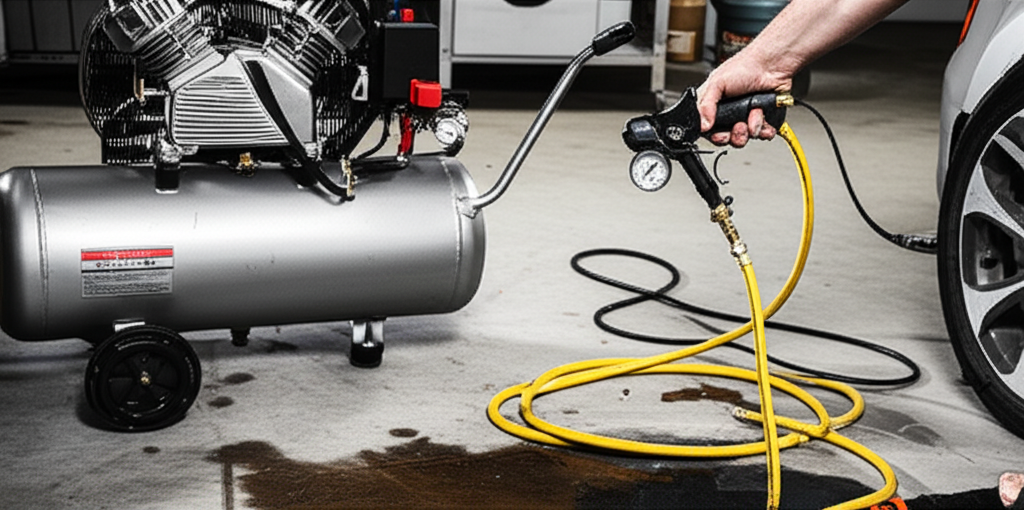
Yes, an air compressor can blow up balloons, but it requires a specific nozzle and careful pressure control to avoid popping them. It’s a surprisingly simple process once you have the right attachments and understand the basics of air pressure.
Ever stared at your trusty air compressor and wondered if it could tackle something as simple, yet sometimes frustrating, as inflating a bunch of balloons for a party? You’re not alone! Many of us associate air compressors with powering nail guns or filling car tires, not with festive decorations. But the truth is, with a little know-how, your air compressor can be a surprisingly efficient balloon inflator. It’s a common question, especially when you have a big event coming up and a mountain of balloons to inflate. Don’t worry, we’ll break down exactly how to do it safely and effectively, so you can say goodbye to manual balloon pumping forever. Get ready to discover a new, surprisingly easy use for your air compressor!
Why Use an Air Compressor for Balloons?
Let’s face it, blowing up dozens, or even hundreds, of balloons by mouth can be exhausting and time-consuming. This is where your air compressor can be a real lifesaver, especially for parties, events, or even just decorating your home. It offers:
- Speed: Inflate balloons in seconds, not minutes.
- Efficiency: Tackle large quantities with ease.
- Less Fatigue: Save your breath and energy.
- Consistency: Achieve uniform balloon sizes.
However, it’s crucial to understand that not all air compressors are created equal, and using the wrong setup can lead to a room full of popped balloons rather than festive decorations. We’ll guide you through the process to ensure success.
Understanding Air Pressure and Balloons
Balloons are designed to stretch, but they have a limit. Air compressors, on the other hand, are built to generate significant pressure. The key to using an air compressor for balloons lies in managing this pressure effectively. Most balloons are designed to be inflated with a relatively low, steady stream of air. High-pressure bursts can cause them to burst prematurely.
The typical pressure setting for inflating balloons manually is quite low. For reference, a standard tire might be inflated to 30-35 PSI (pounds per square inch), while a car’s suspension might require much higher pressures. Balloons, however, are much more delicate. Most latex balloons will pop if inflated beyond a certain point, often around 5-10 PSI, though this can vary by size and quality. This is why direct connection to a high-pressure compressor without regulation is a recipe for disaster.
To illustrate the difference in pressure, consider this:
| Item | Typical Inflation Pressure (Approximate) |
|---|---|
| Latex Balloon | 5-10 PSI |
| Car Tire | 30-35 PSI |
| Bicycle Tire (Road) | 80-120 PSI |
| Air Compressor (Max Output) | 100-175 PSI (or higher) |
As you can see, the maximum output of most air compressors far exceeds what a balloon can handle. This highlights the need for careful pressure management.
What You’ll Need: The Right Attachments
You can’t just connect your compressor’s hose directly to a balloon and expect good results. You’ll need a few specific items:
- Air Compressor: Any standard home or garage air compressor will work.
- Balloon Inflator Nozzle: This is the most crucial part. These are specialized nozzles designed for balloons. They often have a rubber tip that fits snugly onto the balloon opening and a trigger or lever to control airflow. Some have built-in regulators, while others rely on the compressor’s regulator. You can find these at party supply stores, online retailers (like Amazon), or sometimes at hardware stores.
- Balloon Regulator (Optional but Recommended): If your balloon inflator nozzle doesn’t have a built-in regulator, you’ll need one that attaches between the compressor hose and the nozzle. This allows you to precisely set the output pressure.
- Balloons: Of course!
A good quality balloon inflator nozzle is key. Look for one with a comfortable grip and a reliable trigger. Many come with a variety of tip sizes to accommodate different balloon neck thicknesses.
Step-by-Step Guide: Inflating Balloons with an Air Compressor
Here’s how to safely and effectively inflate balloons using your air compressor:
Step 1: Prepare Your Air Compressor
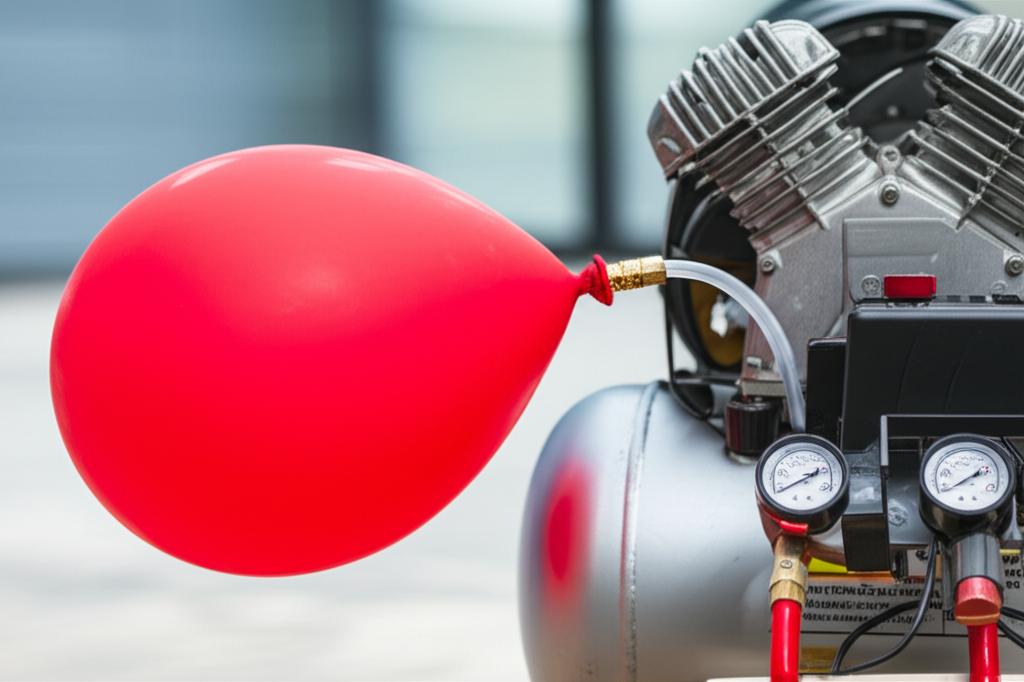
Ensure your air compressor is in good working order. Check the oil level if it’s an oil-lubricated model. Connect the air hose securely to the compressor’s outlet. If you’re using a regulator, attach it to the end of the hose where the nozzle will connect.
Step 2: Set the Air Pressure
This is the most critical step. If you have a regulator attached to your compressor or your inflator nozzle, set the output pressure to a very low level. Start with around 5 PSI. You can always increase it slightly if needed, but it’s much easier to add a little pressure than to deal with popped balloons.
Important Note: If your compressor has a pressure gauge on the tank, that shows the tank pressure, not the regulated output pressure. You need to adjust the regulator knob to control the pressure that actually comes out of the hose.
For a visual guide on how to use a pressure regulator, you can check out resources from tool manufacturers like DEWALT’s air compressor safety and operation guide, which covers general pressure management principles.
Step 3: Attach the Balloon Inflator Nozzle
Connect your specialized balloon inflator nozzle to the end of the air hose (or regulator, if used). Make sure it’s a snug fit to prevent air leaks.
Step 4: Attach the Balloon
Stretch the opening of the balloon slightly and place it firmly over the tip of the balloon inflator nozzle. Ensure a good seal.
Step 5: Inflate the Balloon
Gently squeeze the trigger or lever on the balloon inflator nozzle. Air will begin to flow into the balloon. Keep an eye on the balloon as it inflates. Release the trigger as soon as the balloon reaches the desired size. Avoid over-inflating!
Step 6: Remove the Balloon and Tie
Carefully slide the inflated balloon off the nozzle. Quickly pinch the neck of the balloon to prevent air from escaping and tie it securely.
Step 7: Repeat and Adjust
Repeat the process for all your balloons. If you find the balloons are not inflating enough, you can incrementally increase the pressure by 1-2 PSI at a time using your regulator. Listen to the balloon and feel it to gauge how close it is to its limit. It’s better to have slightly under-inflated balloons that don’t pop than to risk bursting them.
Tips for Success and Avoiding Mishaps
Even with the right tools, a few extra tips can make your balloon-inflating experience smoother:
- Use Quality Balloons: Thicker, good-quality balloons are less likely to pop.
- Don’t Over-Inflate: This is the most common mistake. Stop inflating as soon as the balloon is round and firm, but not taut.
- Check for Leaks: Ensure the balloon is sealed well around the nozzle.
- Keep a Few Extra Balloons: Accidents happen, so it’s always good to have spares.
- Consider Different Balloon Types: Foil balloons often require different inflation techniques and may not be suitable for direct compressor use without specialized adapters. Stick to latex balloons for this method.
- Work in a Ventilated Area: Especially if you’re inflating a large number of balloons.
For more detailed information on balloon care and inflation, resources like the Party City balloon section often offer tips related to different balloon types and their handling.
When to Use a Different Method
While an air compressor is great for large quantities, it might not be the best choice for every situation:
- Very Small Numbers: If you only need a few balloons, using your breath or a hand pump is faster than setting up the compressor.
- Delicate Foil Balloons: Many foil balloons are sensitive to over-inflation and can pop easily. They often require a slower, more controlled inflation, sometimes with a hand pump or a specific foil balloon inflator.
- Limited Space: If you don’t have easy access to an electrical outlet or space to set up the compressor and hose, other methods might be more convenient.
For a small number of balloons, a simple hand pump or even your own lungs are perfectly adequate and much simpler to manage.
Troubleshooting Common Issues
Here are some common problems you might encounter and how to fix them:
| Problem | Possible Cause | Solution |
|---|---|---|
| Balloons are popping immediately | Air pressure is too high. | Reduce the regulator setting to 5 PSI or lower. |
| Balloons are not inflating | Low air pressure; Nozzle not sealed to balloon. | Increase pressure slightly (1 PSI at a time); Ensure balloon opening is sealed tightly around the nozzle. |
| Air is leaking around the nozzle | Poor seal; Damaged nozzle. | Stretch balloon opening more firmly over nozzle; Inspect nozzle for cracks or wear. |
| Compressor is not producing air | Compressor not plugged in/turned on; Tank pressure too low. | Check power supply; Allow compressor to build pressure. |
Frequently Asked Questions (FAQ)
Can I use any air compressor to blow up balloons?
Yes, most standard home or garage air compressors can be used. The key is to control the output pressure, as compressors can generate much more force than balloons can handle.
What is the correct PSI for inflating balloons?
It’s best to start very low, around 5 PSI. Most latex balloons will pop if inflated much beyond 5-10 PSI. Always inflate slowly and stop when the balloon is firm but not overly stretched.
Do I need a special nozzle?
Yes, a specialized balloon inflator nozzle is highly recommended. These nozzles have a rubber tip designed to fit balloons and often a trigger for controlled airflow, making the process much easier and safer than using a standard air chuck.
What if I don’t have a regulator?
If your balloon inflator nozzle doesn’t have a built-in regulator, you’ll need to attach an external air pressure regulator between the compressor hose and the nozzle. This is crucial for preventing over-inflation and popping balloons.
Can I use an air compressor for foil balloons?
It’s generally not recommended to use a standard air compressor for foil balloons without extreme caution and a very precise regulator. Foil balloons are more prone to popping from sudden pressure changes and are often best inflated with a hand pump or a low-pressure adapter.
How do I know when the balloon is fully inflated?
Inflate the balloon until it’s round and firm to the touch, but not so tight that the latex feels stretched thin or you can see through it easily. Listen for any popping sounds, which indicate you’re nearing the balloon’s limit.
Conclusion
So, can an air compressor blow up balloons? Absolutely! With the right attachments and a careful hand on the pressure gauge, your air compressor can transform from a heavy-duty workshop tool into a party-decorating powerhouse. Remember, the key is control. A specialized balloon inflator nozzle and a well-regulated pressure setting are your best friends in this endeavor. By following these simple steps, you can save time, energy, and your breath, making your next event or celebration a breeze to decorate. Happy inflating!
