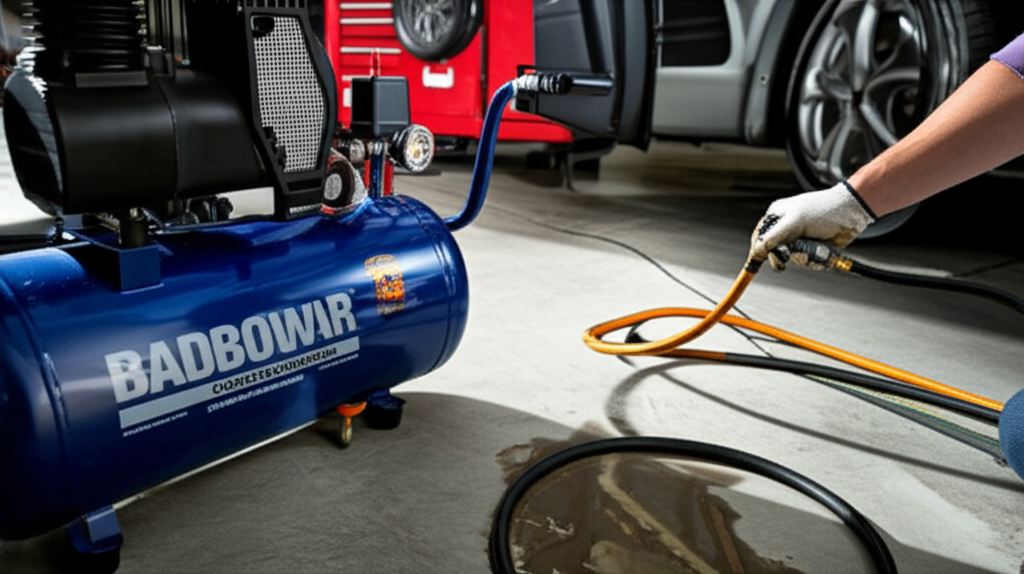
Can Air Compressor Tanks Explode: Essential Safety
Yes, air compressor tanks can explode, but it’s extremely rare when they are properly maintained and used. Understanding the risks and following simple safety guidelines drastically minimizes this danger. This guide will walk you through how to keep your air compressor safe and working for years to come.
You’ve got your new air compressor, ready to tackle everything from inflating tires to powering your favorite nail gun. It’s a fantastic tool, but maybe a little voice in the back of your head wonders, “Could this thing… blow up?” It’s a valid question, and one many first-time users have. The good news is, with a little knowledge and care, your air compressor is incredibly safe. We’re here to break down exactly what you need to know, why it’s a concern, and most importantly, how to keep yourself and your compressor out of harm’s way. Let’s get you up and running with confidence!
Understanding Air Compressor Tanks and Pressure
At its heart, an air compressor is a device that squeezes air into a storage tank. This stored, compressed air is what powers your tools. Think of the tank like a balloon – it holds a lot of air under pressure. When you use a tool, the compressor releases this pressurized air.
The key to understanding the potential for danger lies in that word: pressure. Air compressors build up significant pressure inside their tanks. This pressure is measured in pounds per square inch (PSI). Most home and DIY compressors operate within a range of 90 to 175 PSI, but some industrial units can go much higher. This pressure is what gives the compressed air its power.
However, like any container holding a pressurized substance, there are limits. If the pressure exceeds the tank’s design limits, or if the tank itself is compromised, the risk of failure increases. It’s crucial to remember that these tanks are engineered with safety in mind, but like any mechanical system, they require attention.
The Real Risks: What Causes Tank Failures?
While the thought of an air compressor tank exploding can be alarming, it’s important to understand that these failures are not common. When they do happen, it’s usually due to a combination of factors, most of which are preventable.
Here are the primary reasons an air compressor tank might fail:
Over-pressurization: This is perhaps the most straightforward cause. If the compressor’s pressure regulator fails, or if the tank is filled beyond its maximum rated capacity, the internal pressure can become too great for the tank to withstand.
Corrosion and Rust: Over time, moisture can build up inside the air compressor tank. This moisture can lead to internal rust and corrosion. A corroded tank is weaker and more susceptible to ruptures, especially under pressure. This is a slow, insidious process that often goes unnoticed.
Physical Damage: Dropping the compressor, impacts from other objects, or even improper handling can create dents or weaknesses in the tank. These damaged areas can become stress points.
Manufacturing Defects: Though rare, sometimes a tank might have a subtle flaw from the manufacturing process that compromises its structural integrity.
Improper Modifications: Altering the tank, welding on it without proper procedures, or using it for something it wasn’t designed for can introduce weaknesses.
It’s vital to remember that air compressor tanks are built to stringent safety standards, often including regulations from bodies like the Occupational Safety and Health Administration (OSHA) for industrial settings, which emphasize robust design and testing. For consumer products, manufacturers adhere to similar principles to ensure safety.
Preventing Disaster: Essential Safety Practices
The good news is that by following a few key safety practices, you can virtually eliminate the risk of your air compressor tank exploding. Think of these as your essential toolkit for safe operation.
1. Regular Draining of the Tank
This is the single most important step you can take to prevent internal corrosion.
Why it matters: As air is compressed, moisture in the air condenses. This water collects at the bottom of the tank. If left to sit, it causes rust.
How to do it:
1. Turn off the compressor: Ensure the power switch is in the OFF position and the unit is unplugged or the engine is off.
2. Release pressure: Open the drain valve slowly. This is usually a small valve located at the very bottom of the tank. You can also disconnect the air hose.
3. Let it drain: Allow all the water and any debris to escape. You might hear a hissing sound as the air escapes.
4. Close the valve: Once no more air or water comes out, close the drain valve securely.
How often: Aim to drain the tank at the end of each day you use the compressor, or at least weekly if it’s used frequently. If you live in a humid climate, draining it more often is a good idea.
2. Inspecting the Tank for Damage
A visual inspection is your first line of defense against physical weaknesses.
What to look for:
Dents: Any significant dents or gouges on the tank.
Rust: Particularly on the exterior and around seams or welds. Look for bubbling paint, which often indicates rust underneath.
Cracks: Check for any visible cracks, especially around fittings or welds.
Corrosion: Pay close attention to the bottom of the tank where water collects.
When to inspect: Do a quick visual check before each use and a more thorough inspection monthly.
3. Monitoring the Pressure Gauge and Regulator
Your compressor has built-in safety mechanisms, and you need to ensure they are working correctly.
Pressure Gauge: This shows you the current pressure inside the tank.
Pressure Regulator: This controls the output pressure to your tools.
What to do:
Check the gauge: Ensure the gauge is reading pressure accurately. If it seems stuck or erratic, it might need replacement.
Test the regulator: Before connecting a tool, slowly open the drain on the regulator to ensure it releases air and that the tank pressure doesn’t climb indefinitely.
Set appropriate pressure: Always set the regulator to the pressure recommended for your specific air tool. Exceeding this can damage the tool and is unnecessary. You can find tool pressure requirements in their manuals or on the tool itself.
4. Understanding Maximum Pressure Limits
Every air compressor tank has a Maximum Allowable Working Pressure (MAWP) stamped on it, often near the serial number.
What it means: This is the highest safe pressure the tank is designed to hold.
What to do: Never exceed this pressure. Most compressors have an automatic shut-off that prevents over-pressurization, but it’s good to be aware of the limit.
5. Using Safety Relief Valves
Air compressors are equipped with safety relief valves, also known as pop-off valves.
What they do: These are spring-loaded devices designed to automatically vent air if the pressure inside the tank exceeds a safe level. They are a critical safety feature.
What to do:
Check for obstruction: Ensure the valve is not blocked by paint, dirt, or debris.
Test periodically: Once a month, gently pull the ring on the relief valve. You should hear air escaping. If it doesn’t release air or leaks continuously, it needs to be replaced. A faulty relief valve is a serious safety concern. You can find replacement valves at most hardware or tool supply stores.
6. Proper Storage and Handling
How you store and move your compressor matters.
Storage: Store your compressor in a dry, well-ventilated area. Avoid extreme temperatures.
Handling: When moving the compressor, be careful not to drop or impact the tank. Use the designated handles or frame.
What to Do If You Suspect a Problem
If you notice any of the following, it’s time to stop using the compressor and investigate further:
Unusual Noises: Hissing sounds when the compressor is off and the tank is full, or loud, rattling noises during operation.
Visible Rust or Damage: Significant rust, dents, or cracks on the tank.
Pressure Gauge Malfunction: The gauge not moving, sticking, or reading erratically.
Relief Valve Issues: The relief valve not opening under pressure or leaking constantly.
* Frequent Cycling: The compressor motor runs much more often than it used to, potentially indicating a slow leak or regulator issue.
If you suspect any of these issues, especially concerning the tank’s integrity, it’s best to consult a professional or consider replacing the unit. Attempting to repair a damaged tank yourself is generally not recommended due to the high pressures involved.
Air Compressor Tank Safety Checklist
To make it easy, here’s a quick checklist to keep your compressor safe:
| Task | Frequency | Notes
