Yes, a coping saw can cut thin steel, but it’s not ideal for most steel projects. It’s best suited for softer metals like aluminum or brass, and for intricate cuts in wood or plastic. For thicker or harder steels, you’ll need more robust tools.
Ever found yourself with a piece of metal, a trusty coping saw, and a question buzzing in your mind: “Can a coping saw cut steel?” It’s a common thought, especially when you’re in the middle of a project and realize your usual tools aren’t quite cutting it. You might have a beautiful piece of trim to shape or a delicate curve to achieve, and the coping saw feels like the perfect fit. But when it comes to metal, especially steel, things can get a little tricky. Don’t worry, though! Many DIYers face this exact dilemma. We’ll walk through exactly what you need to know, from choosing the right blade to understanding the limitations, so you can confidently tackle your projects.
Understanding the Coping Saw’s Strengths
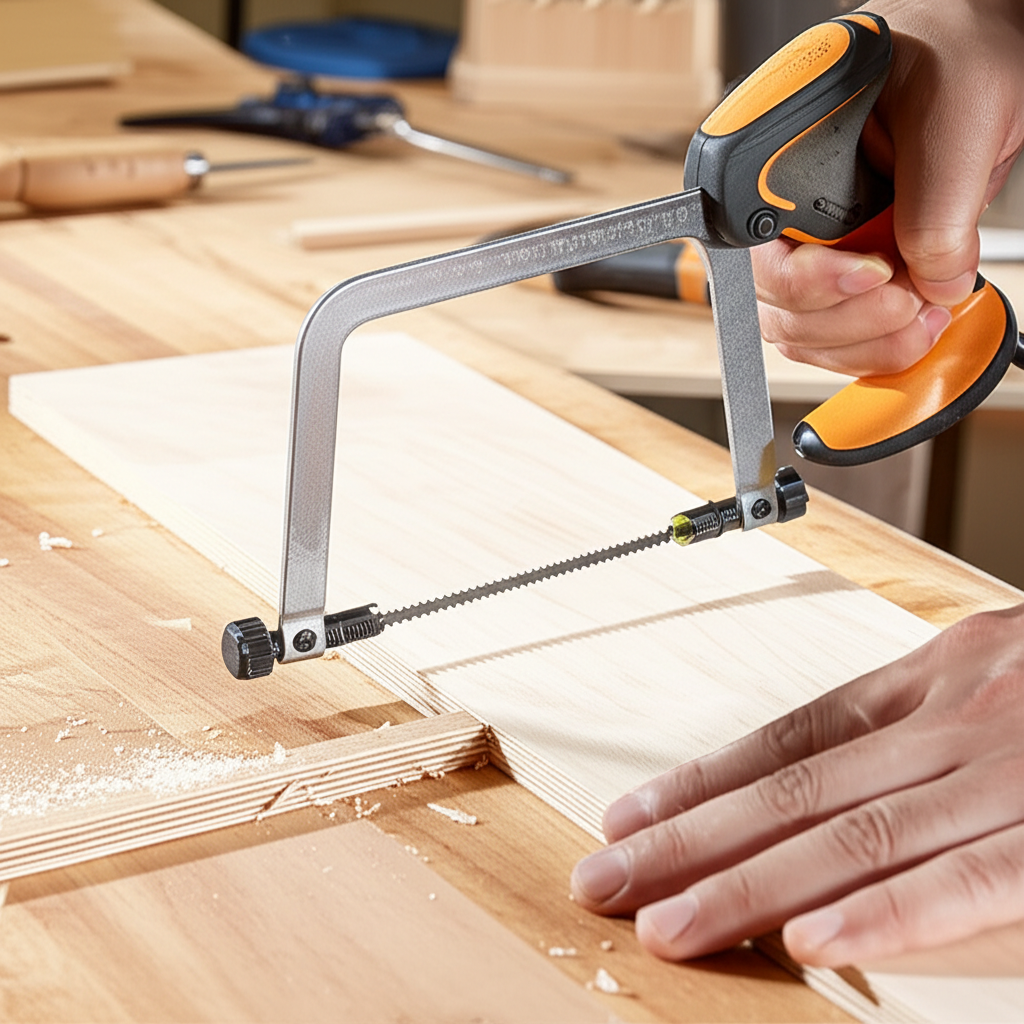
The coping saw is a wonderfully versatile tool, a real workhorse for detailed cutting tasks. Its slender blade, held under tension by a U-shaped frame, allows for incredible maneuverability. This makes it a go-to for:
Intricate curves and shapes: Think decorative wood trim, marquetry, or even puzzle pieces.
Internal cuts: You can remove the blade and reinsert it through a pre-drilled hole to cut shapes inside a workpiece.
Soft materials: Wood, plastic, and even some softer metals like aluminum or brass are well within its capabilities.
The key to its success lies in the blade’s design and the type of material you’re working with.
So, Can a Coping Saw Cut Steel? The Nuance
The short answer is: Yes, but with significant limitations.
A coping saw can cut steel, but only if it’s very thin and relatively soft steel. We’re talking about sheet metal that’s perhaps 1/16th of an inch thick (around 1.5mm) or less. Even then, it’s going to be a slow, laborious process, and you’ll need the right blade and technique.
Why the limitations?
Blade Tooth Count (TPI): Coping saw blades are typically designed for wood. They have a higher TPI (Teeth Per Inch) than blades meant for metal. While some specialized blades exist, standard coping saw blades often have teeth that are too coarse for smooth metal cutting, leading to rough edges and potential blade breakage.
Blade Strength: Coping saw blades are thin and flexible. Steel, even thin steel, is much harder and tougher. Pushing a coping saw through steel can easily snap the blade.
Blade Speed and Lubrication: Cutting metal generates heat. Without proper lubrication and slower speeds than you’d use for wood, the blade can overheat, dull quickly, and become even more prone to snapping.
Choosing the Right Blade for Metal
If you’re determined to try cutting thin steel with a coping saw, the blade is absolutely critical. You need a blade specifically designed for metal.
Key Features of Metal-Cutting Coping Saw Blades:
Higher TPI: Blades for metal will have a much higher TPI, often ranging from 18 TPI for thicker metals up to 32 TPI or more for very thin sheet metal. This ensures that multiple teeth are always engaged with the material, providing a smoother cut and reducing the risk of snagging.
Hardened Teeth: Metal-cutting blades are made from harder materials, like high-speed steel (HSS), to withstand the abrasion and heat generated when cutting metal.
Fine, Sharp Teeth: The teeth are typically smaller, sharper, and set differently than wood-cutting blades.
Where to Find Them:
You can usually find these specialized blades at well-stocked hardware stores, woodworking supply shops, or online retailers. Look for blades labeled “metal cutting,” “sheet metal,” or with a specific TPI range suitable for your metal thickness.
Table: Blade Selection Guide
| Material to Cut | Recommended TPI Range | Blade Type Example |
| :——————— | :——————– | :———————————————— |
| Thin Sheet Metal (e.g., aluminum, brass, very thin steel) | 24-32 TPI | High-Speed Steel (HSS) metal-cutting blade |
| Soft Metals (e.g., copper) | 18-24 TPI | General purpose metal-cutting blade |
| Hardwood | 10-14 TPI | Standard wood-cutting coping saw blade |
| Softwood | 6-10 TPI | Coarser wood-cutting coping saw blade |
| Plastic | 14-20 TPI | General purpose or plastic-specific blade |
Essential Tools and Preparation
Before you even think about cutting, gather your supplies and prepare your workspace. Safety first, always!
What You’ll Need:
Coping Saw: Ensure your saw frame is sturdy and the tensioning mechanism works well.
Metal-Cutting Coping Saw Blades: As discussed, this is non-negotiable for steel.
Safety Glasses: Essential to protect your eyes from metal shavings or flying blade fragments.
Work Gloves: To protect your hands from sharp edges.
Clamps: To securely hold your workpiece. Don’t rely on just holding it with your hands!
Marking Tool: A fine-tip permanent marker or a scribe for marking your cut line.
Lubricant (Optional but Recommended): Cutting fluid or even a bit of oil can help reduce friction and heat.
Files: For deburring and smoothing the cut edge afterward.
Drill and Small Drill Bit: If you need to make an internal cut, you’ll need to drill a starting hole for the blade.
Preparing Your Workpiece:
1. Mark Your Cut Line: Use a fine-tip marker or a scribe to clearly mark the line you want to cut. For steel, a scribe can be more durable and less likely to be wiped away by lubricants.
2. Secure the Workpiece: Clamp your metal firmly to a workbench or sawhorse. Ensure the area you’ll be cutting is well-supported, but also allows clearance for the saw blade and frame. If you’re cutting a thin piece of sheet metal, you might sandwich it between two pieces of scrap wood to provide better support and prevent the metal from bending.
3. Lubrication: Apply a small amount of cutting fluid or oil along your marked cut line. This will help the blade glide more smoothly and prevent overheating.
Step-by-Step: Cutting Thin Steel with a Coping Saw
Let’s get down to business. Remember, patience is key here.
Step 1: Install the Blade Correctly
Tension: Loosen the tension on your coping saw.
Orientation: Insert the blade into the frame with the teeth pointing away from the handle (towards the front of the saw). This is crucial for cutting on the push stroke, which is how most metal cutting is done with these saws.
Secure: Place the ends of the blade into the notches on the saw frame. Slowly tighten the tension screw until the blade is taut, like a guitar string. It should hum when plucked. Too loose, and it will wander or break; too tight, and it will snap.
Step 2: Start the Cut
Position: Place the blade on your marked line.
Initial Stroke: Begin with a slow, controlled push stroke. You might need to gently guide the blade to start. If you have a scribe line, try to keep the blade right on it.
Angle: Hold the saw frame perpendicular to the metal surface.
Step 3: The Cutting Motion
Slow and Steady: Use smooth, even push and pull strokes. For steel, you’ll likely find that a push stroke does most of the cutting, as the teeth are usually angled for that.
Pressure: Apply light, consistent pressure. Let the blade do the work. Forcing it will only lead to frustration and broken blades.
Clear Shavings: Periodically lift the saw to clear away metal shavings. You can use a brush or compressed air for this.
Lubricate: Reapply lubricant as needed if the area starts to feel dry or the blade seems to be binding.
Step 4: Navigating Curves and Corners
Gentle Turns: For curves, gently pivot the saw frame as you cut. Avoid sharp, jerky movements.
Relief Cuts (If Needed): For very tight curves, you might need to make small relief cuts from the edge of the metal into the cut line to allow the blade to turn more easily.
Internal Cuts: If you need to cut a shape from the interior of a piece of metal:
1. Drill a small hole (just large enough for the blade) inside the waste area of your marked shape.
2. Loosen the coping saw blade.
3. Remove the blade from one end of the frame.
4. Thread the blade through the drilled hole.
5. Re-attach the blade to the frame, ensuring correct tension and tooth orientation.
6. Proceed with cutting your internal shape.
7. Once done, loosen the blade and remove it from the frame.
Step 5: Finishing the Cut
Support the Offcut: As you near the end of the cut, ensure the piece you’re cutting off is supported to prevent it from tearing or snagging the blade.
Complete the Stroke: Finish the cut with a smooth stroke.
Deburr: Use a file to smooth any sharp edges or burrs left on the metal. This is crucial for safety.
When a Coping Saw Isn’t Enough
It’s important to recognize when a coping saw is being pushed beyond its limits. If you’re struggling, the blade is dulling rapidly, or you’re breaking blades frequently, it’s time to consider other tools.
Alternatives for Cutting Steel:
Hacksaw: For thicker or harder steels, a hacksaw is a much more appropriate tool. They use similar blades but have a much sturdier frame and are designed for the forces involved in cutting metal.
Jigsaw with Metal-Cutting Blade: A jigsaw, fitted with a fine-toothed metal-cutting blade, can handle thicker sheet metal and even some mild steel stock with relative ease.
Angle Grinder with Cut-Off Wheel: For thicker steel or faster cuts, an angle grinder is the go-to tool. However, this requires significant safety precautions and experience.
Metal Shears (Snips): For straight or gentle curved cuts in thin sheet metal, aviation snips are highly effective.
Table: Tool Comparison for Cutting Steel
| Tool | Best For | Pros | Cons |
| :————— | :————————————————————————– | :——————————————————————– | :———————————————————————————————– |
| Coping Saw | Very thin, soft steel (e.g., < 1/16"), intricate curves in thin metals | Maneuverable for curves, good for internal cuts | Slow, prone to blade breakage with thicker/harder steel, requires specialized blades. |
| Hacksaw | Medium thickness steel, pipes, rods | Sturdy, effective for general metal cutting, readily available blades | Less maneuverable for intricate curves, can be slower than power tools for long cuts. |
| Jigsaw | Sheet metal (up to ~1/8″), thin bar stock, pipes | Power assist, can handle curves, versatile with blade changes | Can be less precise for very fine detail, requires careful blade selection. |
| Angle Grinder| Thick steel plate, rebar, structural steel | Fast, powerful, cuts through thick material easily | Loud, generates sparks and heat, requires significant safety gear and skill, not for fine detail. |
| Metal Shears | Thin sheet metal (straight or gentle curves) | Fast, clean cuts on sheet metal, no power required | Limited to sheet metal, not suitable for thicker stock or complex shapes. |
Maintaining Your Coping Saw and Blades
To get the best performance and longevity from your tools, proper maintenance is essential.
Coping Saw Frame:
Cleanliness: Wipe down the frame after use to remove dust and debris.
Tension Mechanism: Ensure the tension screw moves freely. A drop of oil can help if it’s stiff.
Blade Retention: Check that the pins or slots holding the blade are clean and undamaged.
Blades:
Storage: Store blades in their original packaging or a blade organizer to prevent damage and keep them sharp.
Disposal: Broken blades are sharp! Dispose of them safely.
Don’t Force: As we’ve stressed, forcing a blade will lead to premature dulling and breakage.
Frequently Asked Questions About Coping Saws and Steel
Q1: What is the best blade to use with a coping saw for cutting metal?
A1: For cutting metal, you need a coping saw blade specifically designed for metal. Look for blades with a high TPI (Teeth Per Inch), typically 24 TPI or higher, and made from hardened steel like High-Speed Steel (HSS).
Q2: How thick of steel can a coping saw realistically cut?
A2: A coping saw is best suited for very thin steel, generally no thicker than 1/16th of an inch (about 1.5mm). Even then, it will be a slow process. For anything thicker, you’ll need a different tool.
Q3: Why does my coping saw blade keep breaking when I try to cut steel?
A3: This is usually due to using the wrong blade (one designed for wood), applying too much pressure, cutting too fast, or the steel being thicker or harder than the saw can handle. Ensure you’re using a metal-cutting blade and a steady, light pressure.
Q4: Can I use a coping saw for general metalworking projects?
A4: No, a coping saw is not suitable for general metalworking. It’s a precision tool for intricate cuts in softer materials. For most metalworking tasks, you’ll need tools like hacksaws, jigsaws with metal blades, or angle grinders.
Q5: What safety precautions should I take when cutting steel with a coping saw?
A5: Always wear safety glasses to protect your eyes from metal shavings. Wear work gloves to protect your hands from sharp edges. Ensure your workpiece is securely clamped and never force the blade.
Q6: Is there a way to make cutting steel with a coping saw easier?
A6: Yes, using a metal-cutting blade with a high TPI, applying cutting fluid or oil to the cut line, and maintaining a slow, steady, and light pressure will make the process easier and reduce the risk of blade breakage.
Conclusion: Mastering Your Coping Saw’s Limits
So, to circle back to our original question: Can a coping saw cut steel? Yes, but only very thin, soft steel, and with the right blade and a good dose of patience. It’s a tool that excels at delicate, curved cuts in wood, plastic, and softer metals. When it comes to steel, it’s best reserved for those niche, fine-detail tasks on very thin stock.
For any substantial steel cutting, or for harder steels, always opt for tools designed for the job – a hacksaw, jigsaw, or shears will serve you far better and save you a lot of frustration. Understanding your tools’ capabilities and limitations is a huge part of being a successful DIYer. Keep practicing, keep learning, and you’ll always choose the right tool for the right job. Happy making!
