Can a coping saw cut aluminum? Yes, with the right blade and technique, you can successfully cut thin aluminum sheets using a coping saw. This guide will show you how.
Ever looked at a thin piece of aluminum and wondered if your trusty coping saw could handle it? Many DIYers find themselves in this spot, wanting to shape metal for a project but feeling unsure if their saw is up to the task. It’s a common question, and the good news is, it’s often more achievable than you might think! Don’t let the idea of cutting metal with a saw you usually use for wood intimidate you. We’re going to break down exactly how to do it, step-by-step, making sure you get clean cuts and a smooth experience. Ready to give it a try? Let’s dive in!
Understanding the Coping Saw and Aluminum
Before we start cutting, let’s get a feel for what we’re working with. A coping saw is a fantastic tool for intricate cuts, especially in wood. Its thin blade, held under tension by a frame, allows for tight curves and detailed shapes. When we talk about cutting aluminum with it, we’re generally referring to thinner gauges of aluminum sheet, often used in crafts, hobby projects, or for making small decorative elements.
Aluminum, while a metal, is quite soft compared to steel or iron. This softness is what makes it possible for a coping saw to cut it, but it also means we need to be mindful of our approach. Too much force, the wrong blade, or improper support can lead to frustration, broken blades, or jagged edges. The key is to match the tool to the material and use the right technique.
What Kind of Aluminum Can a Coping Saw Cut?
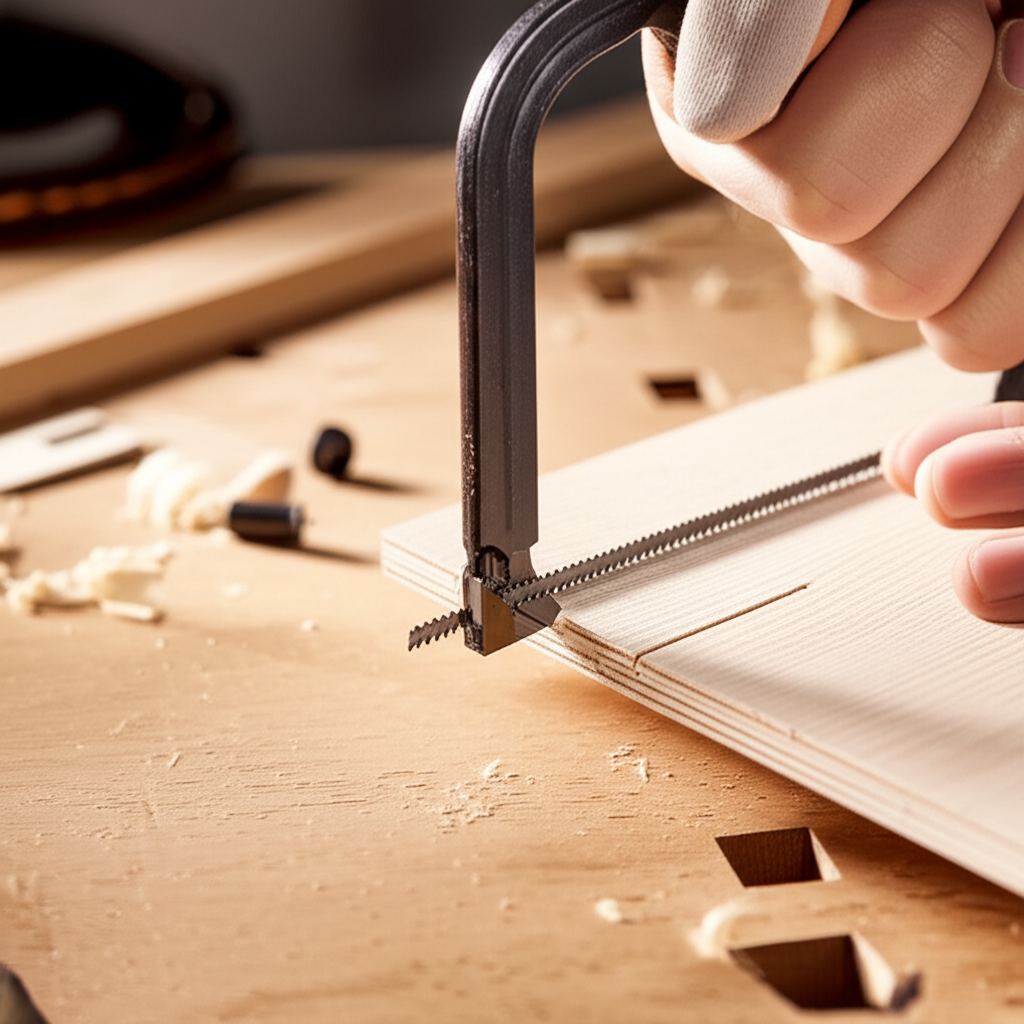
It’s important to set expectations. A coping saw isn’t designed for heavy-duty metal fabrication. It excels with:
- Thin Aluminum Sheets: Think gauges commonly found in craft stores or for model making. These are typically 0.015 to 0.062 inches thick (about 0.4mm to 1.6mm).
- Aluminum Foil Tape: Often used in HVAC or for sealing, this is very thin and manageable.
- Aluminum Wire or Tubing (Thin-Walled): For very small diameter, thin-walled pieces.
You’ll struggle and likely damage your saw or blade if you try to cut thicker aluminum stock, solid aluminum rods, or aluminum extrusions. For those, you’d need a hacksaw, metal-cutting bandsaw, or abrasive chop saw.
Choosing the Right Blade for Cutting Aluminum
This is arguably the most critical step. Using a standard wood-cutting blade on aluminum will quickly gum up the teeth, bind, and break. You need a blade designed for metal. Coping saws can accept a variety of small blades, and for aluminum, we’re looking for fine teeth.
Blade Types and Tooth Count (TPI)
The key metric here is Teeth Per Inch (TPI). For cutting metal, especially softer metals like aluminum, you want a higher TPI than you would for wood.
Here’s a general guide:
| Material | Recommended TPI for Coping Saw Blades |
|---|---|
| Softwood | 6-10 TPI |
| Hardwood | 10-14 TPI |
| Plastic/Acrylic | 14-20 TPI |
| Thin Aluminum | 20-32 TPI |
| Thicker Metals (requires more force) | 24-32 TPI |
For aluminum, aim for blades in the 20-32 TPI range. These fine teeth will shear the metal cleanly without snagging. You might find specialized metal-cutting coping saw blades. If not, look for blades marketed for plastics or very hard woods, as they often have the fine tooth count needed.
Blade Material
Most coping saw blades are made of hardened steel. For cutting aluminum, standard hardened steel blades with the correct TPI will work well. High-speed steel (HSS) blades offer more durability and heat resistance, which can be beneficial, but for occasional thin aluminum cuts, regular steel blades are usually sufficient.
Blade Orientation
Just like with wood, the teeth of the blade should point away from the handle, meaning the blade cuts on the push stroke. This is standard for most coping saw blades.
Essential Tools and Materials
Beyond your coping saw and the aluminum, you’ll need a few other items to make the job easier and safer.
- Coping Saw: With a suitable metal-cutting blade installed (20-32 TPI).
- Aluminum Sheet: The material you intend to cut.
- Marking Tool: A fine-tip permanent marker or a scribe. A scribe will give you a more precise line that won’t rub off.
- Clamps: Essential for securing your workpiece. C-clamps or bar clamps work well.
- Workbench or Sturdy Surface: A stable place to clamp your work.
- Safety Glasses: Non-negotiable when cutting any material, especially metal.
- Work Gloves: To protect your hands from sharp edges.
- Cutting Fluid or Lubricant (Optional but Recommended): A light oil, wax, or even WD-40 can help the blade glide more smoothly and prevent gumming. You can learn more about metalworking lubricants from resources like Metal Supermarkets.
- Fine-tooth File: For deburring the edges after cutting.
Step-by-Step Guide: Cutting Aluminum with a Coping Saw
Now that you have your tools and the right blade, let’s get to the actual cutting. Remember, patience and a steady hand are your best friends here.
Step 1: Prepare Your Workspace and Materials
Find a well-lit area with a sturdy workbench or table. Clamp your aluminum sheet securely to the edge of the workbench. Ensure that the area you intend to cut is overhanging the edge, leaving enough space for the coping saw blade to move freely without hitting the workbench. This is crucial for a clean cut and to avoid damaging your saw or bench.
Step 2: Mark Your Cut Line
Using your fine-tip marker or scribe, carefully draw the line where you want to cut. If you’re making a curved cut, draw the entire curve. For straight lines, a ruler can help guide your marking tool.
Step 3: Secure the Aluminum
This is vital. Use clamps to firmly hold the aluminum sheet in place. If you’re cutting a curve, clamp the piece so that the waste material is on the side that will be removed. You want the aluminum to be absolutely still while you cut. If it shifts, your cut will be inaccurate, and you risk breaking the blade.
Tip: For very thin or flexible aluminum, you might consider sandwiching it between two thin pieces of scrap wood or hardboard. Clamp the entire sandwich together. This provides rigidity and helps prevent the aluminum from bending or tearing as you cut.
Step 4: Install the Blade and Tension the Saw
Ensure your coping saw is tensioned correctly. The blade should be taut, like a guitar string. Too loose, and it will wander and break. Too tight, and you risk snapping it. Insert the blade with the teeth pointing away from the handle (cutting on the push stroke). Some coping saws have adjustable tension mechanisms.
Step 5: Apply Lubricant (Optional but Recommended)
Before you begin cutting, apply a small amount of cutting fluid or lubricant along your marked line. This helps reduce friction, keeps the blade from overheating, and prevents aluminum shavings from building up on the teeth. You can reapply as needed during the cut.
Step 6: Start the Cut
Begin by placing the coping saw blade directly on your marked line. Start with slow, steady, and short strokes. Let the blade do the work; don’t force it. The goal is to create a smooth, controlled motion.
Step 7: Cutting Technique
- Smooth Strokes: Use smooth, consistent strokes. Avoid jerky movements.
- Blade Angle: Keep the saw frame perpendicular to the material for straight cuts. For curves, you’ll need to angle the frame slightly as you turn your wrist, guiding the blade along the line.
- Support the Blade: If you’re cutting a long curve, try to support the blade from the back with a finger (wearing a glove!) or a piece of wood to prevent it from bending excessively.
- Clear Shavings: Periodically, you may need to stop and clear any aluminum shavings that build up on the blade. A brush or compressed air can help.
- Reapply Lubricant: If the cutting feels dry or the blade starts to bind, reapply your lubricant.
Step 8: Finishing the Cut
As you approach the end of your cut, slow down even more. Be extra careful not to let the blade snap through the last bit of material, as this can chip the edge or cause injury. Support the piece you are cutting off so it doesn’t break away unevenly.
Step 9: Deburring the Edge
Once the cut is complete, you’ll likely have a slightly rough edge with small burrs. Use a fine-tooth file to gently smooth down these edges. Always file away from yourself and wear your gloves and safety glasses.
Tips for Success and Avoiding Common Pitfalls
Even with the right tools, a few extra tips can make your aluminum-cutting experience much smoother.
- Start Slowly: Especially on your first few attempts, take your time.
- Don’t Force It: If the blade is binding or difficult to move, stop. Check your blade tension, ensure you’re using enough lubricant, or verify you have the correct TPI blade. Forcing it will almost always lead to a broken blade or a bad cut.
- Blade Breakage: This is common for beginners. It usually happens due to:
- Blade not being tensioned correctly (too loose or too tight).
- Trying to cut too fast or with too much force.
- The blade wandering off the line.
- Hitting a clamp or the workbench.
- Cleanliness: Keep your work area clean. Aluminum shavings can be sharp.
- Practice: If possible, practice on scrap pieces of aluminum first to get a feel for the material and your saw’s performance.
- Blade Lubrication: Don’t underestimate the power of a little oil or wax. It makes a significant difference in reducing friction and preventing the aluminum from gumming up the blade teeth.
When to Use a Coping Saw vs. Other Tools for Aluminum
While a coping saw is handy for certain aluminum tasks, it’s not a universal solution. Understanding its limitations helps you choose the right tool for the job.
Coping Saw Advantages for Aluminum:
- Intricate Curves: Excellent for detailed, flowing lines and tight turns that other saws can’t manage.
- Portability: Lightweight and easy to handle for small jobs or when you don’t have access to power tools.
- Precision on Thin Stock: Offers good control for precise cuts on thin materials.
- Affordability: Coping saws and blades are generally inexpensive.
When to Use Other Tools:
For anything thicker than thin sheet metal, or for straight, repetitive cuts, other tools are far more efficient and effective.
- Hacksaw: The go-to for thicker aluminum stock, rods, or tubing. They have replaceable blades and a more robust frame.
- Jigsaw with Metal-Cutting Blade: Great for faster, straighter cuts or larger curves in sheet aluminum. You’ll need a specific metal-cutting blade for your jigsaw.
- Tin Snips/Aviation Snips: For straight or curved cuts in thin sheet metal. They offer speed but less precision for intricate patterns.
- Rotary Tools (e.g., Dremel) with Cutting Discs: Useful for very small, detailed cuts or trimming edges on thin aluminum.
- Metal-Bandsaw or Chop Saw: For production work or cutting thicker aluminum profiles where speed and accuracy are paramount.
The Popular Mechanics guide to cutting metal offers a good overview of various methods and tools.
Frequently Asked Questions (FAQ)
Can a coping saw cut aluminum?
Yes, a coping saw can cut thin aluminum sheets, foil tape, and thin-walled aluminum tubing, provided you use the correct blade (typically 20-32 TPI) and a suitable cutting technique.
What kind of blade should I use for cutting aluminum with a coping saw?
You need a blade with a fine tooth count, generally between 20 and 32 Teeth Per Inch (TPI). Look for blades marketed for cutting metal or plastics, as these will have the necessary fine teeth to shear aluminum cleanly without clogging.
How do I prevent the coping saw blade from breaking when cutting aluminum?
Ensure the blade is properly tensioned in the saw frame. Use smooth, consistent strokes and avoid forcing the blade. Keep the blade lubricated with cutting fluid or oil to reduce friction and prevent gumming. Start cuts slowly and carefully.
Is it safe to cut aluminum with a coping saw?
Yes, it is safe if you take proper precautions. Always wear safety glasses to protect your eyes from flying metal shavings. Use work gloves to protect your hands from sharp edges. Ensure the aluminum is securely clamped and your workspace is stable.
What thickness of aluminum can a coping saw handle?
A coping saw is best suited for thin aluminum sheets, typically up to about 1/16th of an inch (around 1.6mm) thick. Thicker aluminum will be very difficult to cut and may damage your saw or blade.
Do I need to lubricate the cut when cutting aluminum?
While not strictly mandatory for very thin aluminum, lubrication is highly recommended. It helps the blade cut more smoothly, reduces heat buildup, and prevents aluminum shavings from clogging the blade teeth, leading to cleaner cuts and a longer blade life.
What do I do about sharp edges after cutting aluminum?
After cutting, the edges of the aluminum will be sharp. Use a fine-tooth file to gently deburr and smooth down these edges. Always wear gloves and safety glasses when handling cut aluminum.
Conclusion
Cutting aluminum with a coping saw is a perfectly achievable skill for any DIY enthusiast. By selecting the right blade—one with a fine tooth count (20-32 TPI)—and employing a steady, controlled cutting technique with appropriate lubrication, you can make clean, precise cuts in thin aluminum sheets. Remember to always prioritize safety by wearing safety glasses and gloves, and ensure your workpiece is securely clamped. Don’t be discouraged if you break a blade or two when you’re starting out; it’s part of the learning process. With a little practice, you’ll find your coping saw can be a surprisingly effective tool for adding those metal details to your projects, opening up new creative possibilities. So, grab your saw, pick out that aluminum, and happy cutting!
