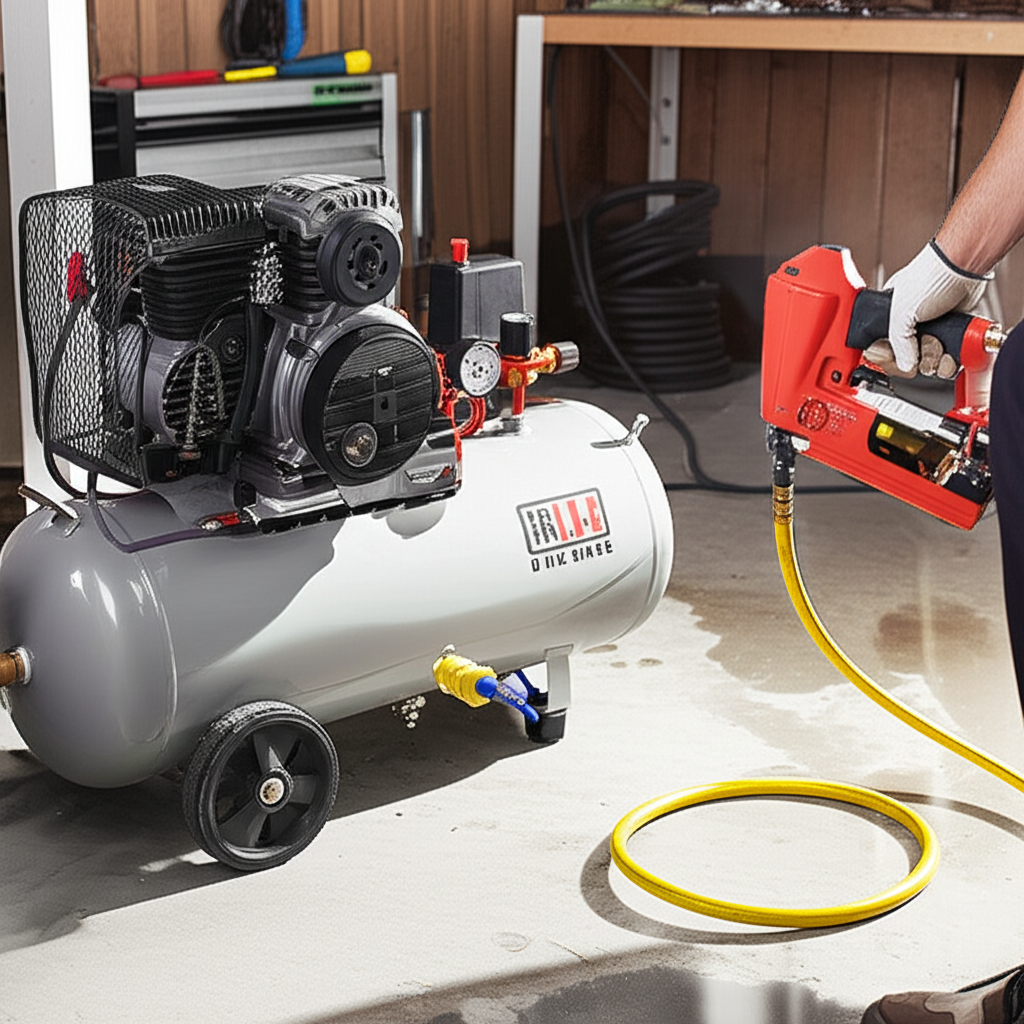
The air compressor pressure switch automatically turns your compressor on and off to maintain tank pressure. It works by sensing the air pressure inside the tank and opening or closing an electrical circuit to control the motor, ensuring your compressor doesn’t over-pressurize or run unnecessarily.
Ever wonder what makes that air compressor motor kick on and off all by itself? It’s a bit like magic, but it’s actually a clever piece of engineering called the pressure switch. If your compressor seems to have a mind of its own, or if you’re just curious about how it keeps that tank full of air, you’re in the right place. Understanding this key component is vital for safe operation and can even help you troubleshoot common issues. We’ll break down exactly how this essential part functions, making it easy for anyone to grasp.
What is an Air Compressor Pressure Switch?
At its heart, an air compressor pressure switch is a safety and control device. Think of it as the brain of your air compressor system. Its main job is to monitor the air pressure building up inside the compressor’s tank and, based on that pressure, tell the electric motor when to start and when to stop. This prevents the tank from becoming over-pressurized, which could be dangerous, and also stops the motor from running constantly when it’s not needed, saving energy and wear and tear.
This simple yet crucial component is usually found mounted directly on the air tank or near the pump assembly. It’s a mechanical device that relies on the force of compressed air to operate.
How Does it Work? The Core Mechanism
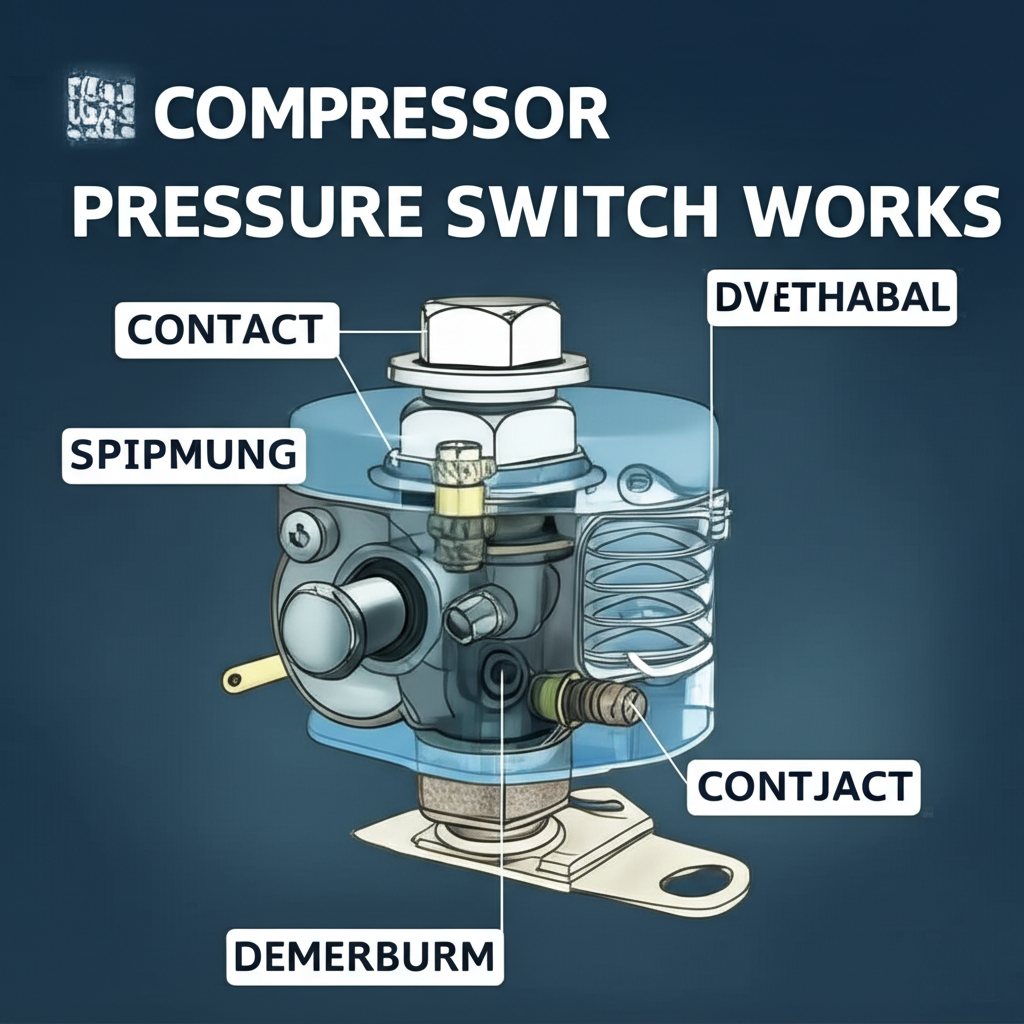
The magic happens thanks to a simple principle: air pressure. Inside the pressure switch, there’s a diaphragm or a bellows that is directly exposed to the air pressure inside the compressor tank.
Here’s a breakdown of the process:
When the Tank Pressure is Low: When you first start your compressor, or after you’ve used a lot of air, the pressure inside the tank is low. This low pressure doesn’t exert enough force on the diaphragm or bellows.
The Switch Closes: Because the diaphragm isn’t being pushed strongly, it allows a spring mechanism to keep the electrical contacts inside the switch closed. These closed contacts complete an electrical circuit, sending power to the compressor motor.
Motor Starts, Air is Compressed: With power flowing, the compressor motor starts up and begins pumping air into the tank. As air enters the tank, the pressure inside gradually increases.
Pressure Reaches the Cut-Out Point: The pressure switch has an adjustable setting, often called the “cut-out” pressure. When the air pressure in the tank reaches this pre-set level, it exerts enough force on the diaphragm or bellows to overcome the spring.
The Switch Opens: This force pushes against the spring, causing the electrical contacts inside the switch to separate. This breaks the electrical circuit, cutting off power to the compressor motor.
Motor Stops, Pressure Holds: The motor stops running, and the compressor tank now holds air at the desired pressure.
Pressure Drops: As you use compressed air (e.g., with a nail gun or by inflating tires), the pressure inside the tank begins to drop.
Pressure Reaches the Cut-In Point: The pressure switch also has another setting, the “cut-in” pressure. This is a lower pressure than the cut-out pressure. When the tank pressure falls to this cut-in level, the force on the diaphragm or bellows decreases significantly.
The Switch Closes Again: The spring mechanism now has enough force to push the contacts back together, closing the circuit and sending power to the motor once more.
The Cycle Repeats: The motor starts, pumps air, and the cycle continues.
This on-and-off action is what keeps your air compressor ready to go without running continuously.
Key Components of a Pressure Switch
While the core mechanism is simple, a pressure switch has a few key parts that work together:
Diaphragm/Bellows: This is the sensitive part that directly interacts with the air pressure. It’s usually made of rubber or a flexible metal.
Spring Mechanism: This provides the resistance that the air pressure must overcome. It’s adjustable to set the cut-in and cut-out pressures.
Electrical Contacts: These are the points that open or close the electrical circuit to the motor. They are often made of a conductive material.
Lever Arm/Actuator: This connects the diaphragm/bellows to the electrical contacts, translating the air pressure’s force into the opening or closing action.
Pressure Ports: These are the openings where the compressed air from the tank enters the switch.
Unloader Valve Connection (often): Many pressure switches also have a small port that connects to an unloader valve. This valve releases a small amount of air from the pump head when the motor stops, making it easier for the motor to restart against less resistance.
Understanding Cut-In and Cut-Out Pressures
These two settings are critical for your compressor’s operation.
Cut-Out Pressure: This is the maximum pressure the switch will allow the tank to reach before it shuts off the motor. It’s usually set higher than the cut-in pressure.
Cut-In Pressure: This is the minimum pressure the tank can drop to before the switch turns the motor back on.
The difference between these two pressures is called the pressure differential or cut-out/cut-in range. A typical range might be 30 PSI (e.g., cut-out at 120 PSI, cut-in at 90 PSI). This range prevents the switch from cycling on and off too rapidly, which would be hard on the motor and the switch itself.
You can usually adjust these settings using the screws on the pressure switch, but it’s important to do so carefully and follow your compressor’s manual.
Types of Air Compressor Pressure Switches
While the fundamental principle remains the same, there are a few variations you might encounter:
1. Mechanical Pressure Switches
These are the most common type found on smaller to medium-sized air compressors. They rely entirely on the physical force of air pressure and springs to operate the electrical contacts. They are robust and relatively simple to understand and repair.
2. Electronic Pressure Switches
These are more common on larger industrial compressors or those with more advanced control systems. Instead of a mechanical diaphragm, they use electronic sensors to measure pressure. These sensors send a signal to a control board, which then manages the motor. While more precise, they are also more complex and can be more expensive to replace. For most DIYers and homeowners, you’ll be dealing with mechanical switches.
How to Adjust Your Pressure Switch Settings
Adjusting your pressure switch can be necessary if your compressor isn’t reaching the desired pressure or is cycling too frequently. Always disconnect power to the compressor before making any adjustments.
Here’s a general guide:
1. Locate the Pressure Switch: It’s usually mounted on the tank.
2. Identify Adjustment Screws: Most mechanical switches have two screws.
One screw typically adjusts the cut-out pressure. Turning it one way increases the pressure, and the other way decreases it.
The second screw often adjusts the pressure differential (the gap between cut-in and cut-out).
3. Make Small Adjustments: Turn the screws in small increments (e.g., a quarter turn at a time).
4. Test the Settings:
Turn the power back on.
Let the compressor run and note the pressure at which it shuts off (cut-out).
Use air from the tank until the compressor turns back on and note that pressure (cut-in).
5. Repeat as Needed: Continue making small adjustments and testing until you achieve the desired pressure range.
Important Note: Refer to your air compressor’s owner’s manual for specific instructions on adjusting your particular model. Incorrect adjustments can lead to inefficient operation or damage to your equipment. For example, setting the cut-out pressure too high can exceed the tank’s maximum pressure rating, which is a serious safety hazard. The U.S. Occupational Safety and Health Administration (OSHA) has regulations regarding compressed air systems and pressure vessel safety. You can find valuable information on safe operating pressures and maintenance practices on their website, often found under their Occupational Safety and Health Standards.
Troubleshooting Common Pressure Switch Issues
If your compressor isn’t working correctly, the pressure switch is often a suspect.
Here are some common problems and how the pressure switch might be involved:
Compressor Won’t Start:
Check Power: Ensure the compressor is plugged in and the circuit breaker hasn’t tripped.
Pressure Switch Stuck Open: The contacts might be stuck in the open position, preventing power from reaching the motor. This could be due to debris or a faulty mechanism.
Very Low Cut-In Pressure: If the cut-in pressure is set too low, it might never reach it.
Compressor Runs Constantly:
Pressure Switch Stuck Closed: The contacts remain closed even at high pressure, so the motor never gets the signal to stop. This is often caused by a faulty spring or a damaged diaphragm.
Leaks: A significant air leak in the system can cause the pressure to drop faster than the switch can keep up, leading to continuous running.
Incorrectly Set Cut-Out Pressure: If the cut-out pressure is set too high, it might not be reached.
Compressor Cycles Too Frequently (Short Cycling):
Small Pressure Differential: The gap between cut-in and cut-out pressure is too small. Adjusting the differential screw can fix this.
Air Leaks: Even small leaks can cause the pressure to drop rapidly, triggering the switch to turn the motor back on sooner than it should.
Compressor Doesn’t Reach Full Pressure:
Cut-Out Pressure Set Too Low: The switch is shutting off the motor before the tank can fill completely.
Faulty Unloader Valve: If the unloader valve isn’t closing properly, air might be escaping from the pump head, preventing pressure buildup.
Quick Troubleshooting Table
| Symptom | Potential Cause(s) | What to Check/Do |
| :——————————- | :————————————————- | :———————————————————————————————————————————————————————————————————– |
| Compressor won’t start | No power, switch contacts stuck open, low cut-in | Check power cord/breaker. Inspect switch contacts for debris or damage. Ensure cut-in pressure is set appropriately. |
| Compressor runs continuously | Switch contacts stuck closed, leaks, high cut-out | Inspect switch contacts. Check all air lines, fittings, and tank for leaks. Verify cut-out pressure setting. |
| Short cycling (frequent starts) | Small pressure differential, air leaks | Adjust pressure differential on the switch. Check for and repair any air leaks. |
| Doesn’t reach full pressure | Low cut-out pressure setting, faulty unloader valve | Adjust cut-out pressure higher. Inspect and test the unloader valve (often connected to the pressure switch). |
| Loud “bang” when compressor stops | Improperly functioning unloader valve/switch | Ensure the unloader valve is connected and functioning correctly with the pressure switch. A properly functioning system should have a smooth shutdown. |
Replacing a Pressure Switch
If your pressure switch is faulty and cannot be repaired, it will need to be replaced. This is a job that many DIYers can handle, but it requires caution and attention to detail.
Tools You’ll Likely Need:
New compatible pressure switch
Screwdrivers (Phillips and flathead)
Adjustable wrench or pipe wrench
Teflon tape (pipe thread sealant)
Wire stripper/crimper (if wires need re-termination)
Safety glasses
Work gloves
Steps for Replacement:
1. Disconnect Power: Absolutely crucial. Unplug the compressor or turn off the circuit breaker and verify power is off.
2. Bleed All Air Pressure: Open the drain valve on the tank to release all compressed air. The tank must be completely depressurized.
3. Identify Wiring: Take a clear photo of the wiring connections on the old switch. Note which wire goes to which terminal. Many switches have numbered terminals (e.g., 1, 2, 3, 4) or labels like “LINE,” “MOTOR,” “UNLOADER.”
4. Disconnect Wires: Carefully remove the wires from the old pressure switch terminals.
5. Remove the Old Switch: Use an adjustable wrench or pipe wrench to unscrew the old pressure switch from the tank fitting. Be prepared for any residual air or moisture.
6. Prepare the New Switch: Apply Teflon tape to the threads of the new pressure switch to ensure a good seal.
7. Install the New Switch: Screw the new pressure switch into the tank fitting and tighten it securely with the wrench. Ensure it’s oriented correctly if there are specific ports that need to face a certain way.
8. Reconnect Wiring: Connect the wires to the new switch according to the photo you took or the terminal labels. Ensure connections are tight and secure. If the new switch has different terminals, consult its manual.
9. Connect Unloader Line (if applicable): If your old switch had a small tube connected to an unloader valve, reconnect it to the corresponding port on the new switch.
10. Test the System:
Plug in the compressor or turn the breaker back on.
Let the compressor fill the tank and observe its operation. Check if it starts and stops at the correct pressures.
Listen for any leaks around the new switch fitting.
Important Safety Reminder: If you are not comfortable working with electrical wiring or plumbing, it is best to have a qualified technician perform the replacement. Working with compressed air systems can be dangerous if not done correctly.
Maintaining Your Pressure Switch for Longevity
While pressure switches are generally reliable, a little maintenance can go a long way in ensuring they function correctly and last longer.
Keep it Clean: Dust and debris can sometimes get into the switch mechanism or interfere with the diaphragm. Periodically clean the exterior of the switch.
Check for Leaks: Regularly inspect the area around the pressure switch fitting for any signs of air leaks. A small leak here can affect the switch’s accuracy.
Listen to Your Compressor: Pay attention to any changes in how your compressor cycles. Unusual noises or frequent cycling could indicate a problem with the switch or another component.
Inspect Wiring: Periodically check the electrical connections to the switch for corrosion or looseness.
Test Unloader Valve: Ensure the small port on the pressure switch that connects to the unloader valve is clear and the unloader valve itself is functioning. A stuck unloader valve can cause problems that appear to be switch-related.
Frequently Asked Questions (FAQs)
Frequently Asked Questions
What is the purpose of an air compressor pressure switch?
The pressure switch automatically controls the air compressor’s motor, turning it on when the tank pressure drops to a set level (cut-in) and off when the tank pressure reaches a higher set level (cut-out). This maintains the desired air pressure and prevents over-pressurization.
How do I know if my pressure switch is bad?
Common signs include the compressor running continuously, not starting at all, short-cycling (turning on and off very frequently), or not reaching the correct pressure. Visual inspection for damage or listening for unusual sounds can also provide clues.
Can I adjust the pressure switch settings?
Yes, most mechanical pressure switches have adjustable screws to set the cut-in and cut-out pressures. However, always consult your compressor’s manual for specific instructions and be cautious, as incorrect adjustments can be unsafe or damage the equipment.
What is the difference between cut-in and cut-out pressure?
The cut-out pressure is the maximum pressure at which the switch turns the motor OFF. The cut-in pressure is the minimum pressure at which the switch turns the motor back ON. The difference between them is the pressure differential.
Do I need to bleed the tank before replacing the pressure switch?
Yes, it is absolutely essential to bleed all air pressure from the tank before attempting to remove or replace the pressure switch. Working with a pressurized tank can be extremely dangerous.
What is the unloader valve connection on a pressure switch for?
Many pressure switches have a small port that connects to an unloader valve. When the motor shuts off, this valve briefly releases air from the pump head, reducing back pressure. This makes it easier for the motor to start up again the next time it’s needed.
Conclusion
Understanding how your air compressor’s pressure switch works is a fundamental step in operating and maintaining your equipment safely and efficiently. This seemingly simple device is the silent guardian that keeps your air supply consistent and your compressor motor protected. By knowing its function, recognizing common issues, and following proper maintenance and replacement procedures, you can ensure your air compressor serves you reliably for years to come. Don’t be intimidated by this component; with a little knowledge, you can confidently manage this vital part of your air compressor system.
