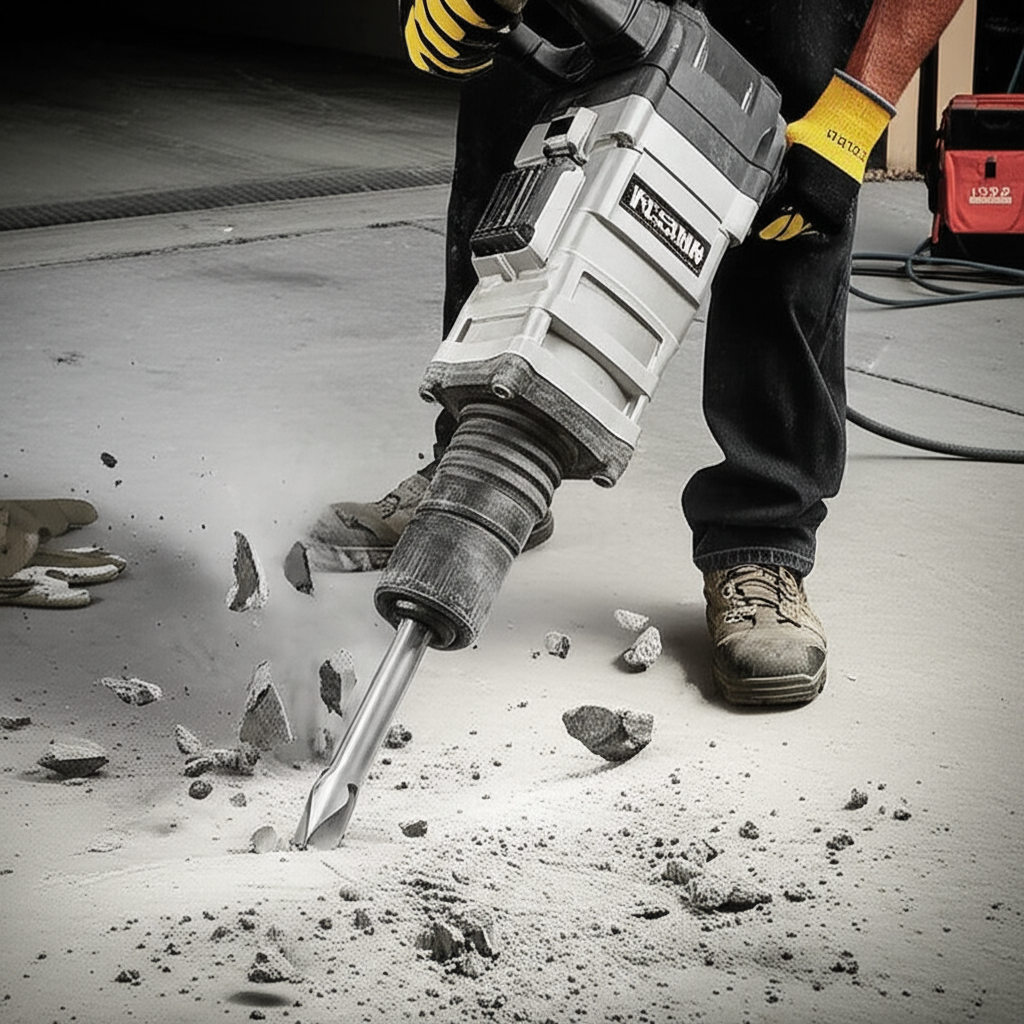
Mastering the Jackhammer Chatterbait: Your Step-by-Step Guide to Concrete Demolition Success. Learn safe operation, effective techniques, and tips for efficient concrete breaking, empowering you to tackle your DIY projects with confidence.
Breaking up concrete can feel like a big, intimidating job. Maybe you’re finally starting that renovation, digging up an old patio, or just need to remove a stubborn slab. Whatever the reason, the thought of wrestling with a powerful tool like a jackhammer might have you feeling a bit nervous. It’s totally understandable! These machines are beasts, but with the right knowledge and a few simple steps, you can use a jackhammer safely and effectively. We’re here to break it down, just like you’re about to break up that concrete. Get ready to feel empowered and ready to get the job done right!
What Exactly is a Jackhammer Chatterbait?
Before we dive into how to use it, let’s clarify what we’re talking about. When people refer to a “jackhammer chatterbait,” they’re usually talking about the vibrating or oscillating action that some jackhammers produce, or more commonly, the distinctive sound the tool makes as it works. It’s not a specific attachment called a “chatterbait” in the way you might think of a fishing lure. Instead, it’s the characteristic “chatter” or “chatter vibration” that the jackhammer’s hammering action creates as it strikes and breaks concrete. This powerful, percussive force is what allows you to break through tough materials. Think of it as the tool’s “working noise” – a sign that it’s doing its job efficiently.
Why You Might Need a Jackhammer
Jackhammers, often called demolition hammers or concrete breakers, are essential tools for any serious concrete removal project. They are designed to efficiently break up hard surfaces like concrete, asphalt, rock, and masonry. Here are some common scenarios where a jackhammer is your best friend:
- Home Renovations: Removing old concrete foundations, breaking through basement floors for plumbing or electrical work, or widening doorways.
- Outdoor Projects: Demolishing old patios, driveways, sidewalks, or breaking up rock for landscaping.
- Demolition Work: Clearing sites, removing unwanted structures, or preparing areas for new construction.
- Utility Work: Digging trenches for pipes or cables through hard ground or pavement.
While they are powerful, understanding how to operate them safely is crucial. We’ll guide you through every step.
Choosing the Right Jackhammer and Bits
Not all jackhammers are created equal, and neither are the bits that attach to them. Picking the right tool for your specific job will make the process smoother and more effective. Here’s a quick rundown:
Types of Jackhammers

Jackhammers come in various sizes and power sources:
- Electric Jackhammers: These are generally lighter and easier to handle, making them great for homeowners and DIYers. They plug into a standard outlet or generator.
- Pneumatic Jackhammers: These are powered by an air compressor. They are typically more powerful and often used by professionals on larger job sites. They require an air hose connection.
- Hydraulic Jackhammers: These are the most powerful and are usually powered by a hydraulic power pack. They are best suited for heavy-duty demolition and industrial applications.
For most DIY concrete removal tasks, an electric jackhammer is usually the best choice due to its ease of use and accessibility.
Jackhammer Bits (Steel)
The bit is the part that actually strikes and breaks the concrete. Different bits are designed for different tasks:
| Bit Type | Description | Best For |
|---|---|---|
| Chisel Bit | Flat, sharp edge. | Breaking up slabs, cutting through rebar, general demolition. |
| Point Bit | Sharp, pointed tip. | Penetrating hard surfaces, breaking concrete into smaller pieces, starting holes. |
| Asphalt Cutter Bit | Wider, flatter edge, often with a slight curve. | Breaking up asphalt and compacted soil. |
| Spade Bit | Wide, flat, and slightly curved surface. | Removing loose material, scraping, breaking up soil or clay. |
For general concrete breaking, a point bit or a chisel bit is usually what you’ll need. Ensure the bit shank (the part that inserts into the jackhammer) matches your tool’s chuck.
Safety First: Essential Gear and Precautions
Operating a jackhammer involves significant force and potential hazards. Prioritizing safety is non-negotiable. Always follow these guidelines:
Personal Protective Equipment (PPE)
This is your first line of defense:
- Safety Glasses or Goggles: Essential to protect your eyes from flying debris.
- Hearing Protection: Jackhammers are extremely loud. Use earplugs or earmuffs to prevent hearing damage. Check out the OSHA standards on noise exposure for more information.
- Heavy-Duty Gloves: Protect your hands from vibration and provide a better grip.
- Steel-Toed Boots: Crucial for protecting your feet from dropped tools or materials.
- Dust Mask or Respirator: Concrete dust can be harmful to your lungs. Use an N95 respirator or better.
- Durable Work Clothes: Long pants and long-sleeved shirts protect your skin from scrapes and dust.
Site Safety
- Clear the Area: Ensure no people or pets are within the immediate vicinity of your work zone.
- Inspect the Work Area: Before you start, check for any underground utilities like gas lines, water pipes, or electrical cables. Contact your local utility locating service (like 811 in the US) before you dig.
- Stable Footing: Make sure you have solid, stable ground to stand on. Avoid working on slippery or uneven surfaces.
- Ventilation: If working indoors, ensure good ventilation to clear dust and fumes.
- Tool Inspection: Before each use, check the jackhammer for any damage, loose parts, or worn bits. Ensure the power cord (for electric models) is in good condition.
Step-by-Step Guide: How to Use a Jackhammer
Now that you’re geared up and understand the basics, let’s get to the actual operation. Follow these steps for safe and effective concrete breaking:
Step 1: Prepare Your Jackhammer
- Attach the Bit: Insert the chosen bit into the chuck of the jackhammer. Most electric jackhammers have a quick-release chuck. Follow your tool’s manual for specific instructions, but generally, you’ll insert the bit and twist or push until it locks into place. Ensure it’s securely seated.
- Connect Power: For electric models, plug the power cord into a GFCI-protected outlet or a suitable generator. For pneumatic models, connect the air hose and ensure your compressor is running and delivering the correct air pressure as per the tool’s specifications.
Step 2: Position Yourself Correctly
Your stance is key for control and stability:
- Stable Stance: Stand with your feet shoulder-width apart. Keep your knees slightly bent, not locked. This allows you to absorb vibrations and maintain balance.
- Grip the Handles: Firmly grip both handles of the jackhammer. Your dominant hand will likely be on the main trigger handle, while your other hand supports the front handle.
- Maintain Control: Keep the jackhammer angled slightly towards the concrete. Don’t lean your full weight into it; let the tool do the work.
Step 3: Start Breaking Concrete
This is where the “chatter” begins!
- Engage the Trigger: Squeeze the trigger to start the hammering action. The tool will begin to vibrate and pound.
- Apply Gentle Pressure: Guide the bit to the edge of the concrete you want to break. Apply steady, downward pressure. You don’t need to force it; the jackhammer’s power will do the heavy lifting.
- Work Systematically: Start at an edge or a crack if possible. Aim to break the concrete into manageable pieces. Work your way across the surface, creating new starting points as needed.
- Angle for Efficiency: Experiment with the angle of the jackhammer. A slight angle can help the bit penetrate and break the concrete more effectively. For a point bit, aim to drive it into the surface. For a chisel bit, you might want to angle it slightly to slice under the concrete.
- Clear Debris: Periodically stop the jackhammer and clear away broken concrete pieces and dust. This allows you to see your work area better and prevents the bit from getting jammed.
Step 4: Moving and Controlling the Jackhammer
Jackhammers can be surprisingly difficult to control due to their power:
- Don’t Fight It: The jackhammer will want to move. Instead of fighting its movement, guide it. Use your body to steer it gently.
- Recoil Management: Be prepared for recoil, especially when the bit breaks through the concrete or hits a particularly hard spot. Keep your grip firm and your stance solid.
- Keep it Moving: Don’t let the bit sit in one spot for too long, especially on a flat surface. This can make it harder to control and can potentially damage the bit or the tool.
Step 5: Finishing Up
- Turn Off the Tool: Release the trigger to stop the hammering action.
- Disconnect Power: Unplug the electric jackhammer or disconnect the air supply for pneumatic models.
- Remove the Bit: Once the tool has cooled slightly, carefully remove the bit following your tool’s manual. Bits can be very hot immediately after use.
- Clean Up: Clear away all broken concrete debris. Sweep or vacuum the area to remove dust.
- Tool Maintenance: Clean your jackhammer according to the manufacturer’s instructions. Lubricate moving parts if recommended.
Tips for Proven Success and Efficiency
Want to get the job done faster and with better results? Here are some expert tips:
- Start with a Crack or Edge: It’s much easier to begin breaking concrete from an existing crack or the edge of a slab. If you don’t have one, use a chisel bit to score a line or create a starting point.
- Break it Down: Don’t try to break large sections at once. Focus on breaking the concrete into smaller, manageable pieces. This makes removal much easier.
- Vary Your Bits: If you’re struggling with a particular section, try switching bits. A point bit might be better for initial penetration, while a chisel bit can help lift and break larger chunks.
- Work in Sections: Divide your project area into smaller zones. This makes the task feel less overwhelming and helps you maintain focus.
- Listen to Your Tool: If the jackhammer sounds like it’s struggling or overheating, take a break. Let the tool cool down and check if the bit is dull or jammed.
- Hydration is Key: Demolition work is physically demanding. Stay hydrated by drinking plenty of water, especially in warm weather.
- Take Breaks: Don’t push yourself to exhaustion. Take regular breaks to rest, stretch, and rehydrate. This also helps prevent fatigue-related mistakes.
Common Problems and How to Solve Them
Even with the best preparation, you might run into a few hiccups. Here’s how to handle them:
| Problem | Possible Cause | Solution |
|---|---|---|
| Jackhammer won’t start | No power, GFCI tripped, safety lock engaged. | Check power source, reset GFCI, ensure safety lock is disengaged. |
| Bit not hammering | Bit not seated properly, motor issue. | Ensure bit is securely locked in the chuck. If still no hammering, consult manual or professional. |
| Jackhammer is hard to control | Poor stance, too much pressure, uneven surface. | Adjust stance for stability, reduce downward pressure, ensure you’re on solid ground. |
| Concrete not breaking easily | Dull bit, wrong bit type, concrete is reinforced. | Try a different bit (point vs. chisel), sharpen or replace the bit, be aware of rebar and try to cut it with a chisel bit. |
| Overheating | Continuous use without breaks, clogged vents. | Turn off the tool and let it cool. Clean any dust from air vents. Take more frequent breaks. |
Frequently Asked Questions (FAQ)
Here are some common questions beginners have about using jackhammers:
Q1: How much pressure should I apply when using a jackhammer?
You don’t need to apply a lot of downward pressure. Let the weight and the hammering action of the jackhammer do the work. Your job is to guide it and maintain a stable stance. Too much pressure can make it harder to control and can damage the tool.
Q2: Can I use a jackhammer on asphalt?
Yes, you can use a jackhammer on asphalt, especially with an asphalt cutter bit. Electric jackhammers are generally suitable for typical asphalt driveways or paths. For very thick or heavily compacted asphalt, a more powerful pneumatic jackhammer might be more effective.
Q3: How do I know when to change the jackhammer bit?
You’ll know it’s time to change the bit if you notice the concrete isn’t breaking as easily as it used to, or if the bit itself looks significantly worn down, chipped, or dull. A dull bit will make your job much harder and less efficient.
Q4: Is it safe to use a jackhammer in my garage?
Yes, but with extreme caution. Ensure excellent ventilation to remove concrete dust. Wear a high-quality respirator. Be mindful of the concrete floor’s thickness and any potential wiring or pipes beneath it. If you’re unsure about what’s under the concrete, it’s best to consult a professional or do thorough research on your home’s construction.
Q5: How do I deal with rebar when using a jackhammer?
If you encounter rebar (steel reinforcing bars) within the concrete, switch to a chisel bit. You can use the jackhammer to cut through the rebar. It might take a few tries, and you’ll need to be precise with your aim. Always wear your safety glasses as rebar can cause sparks or fly off.
Q6: What is the “chatter” sound I hear?
The “chatter” is the characteristic sound of the jackhammer’s piston rapidly striking the back of the bit, which then hammers the concrete. It’s the sound of the tool working to break apart hard materials. The intensity and pitch of the chatter can vary depending on the tool, the bit, and the material being broken.
Conclusion
Tackling concrete demolition with a jackhammer might seem daunting at first, but by following these steps and prioritizing safety, you can achieve great results. Remember to always wear your PPE, maintain a stable stance, and let the tool do the heavy lifting. With the right bit, a systematic approach, and a little practice, you’ll be breaking up concrete like a pro. You’ve got this! Now go forth and conquer that concrete project with confidence.
