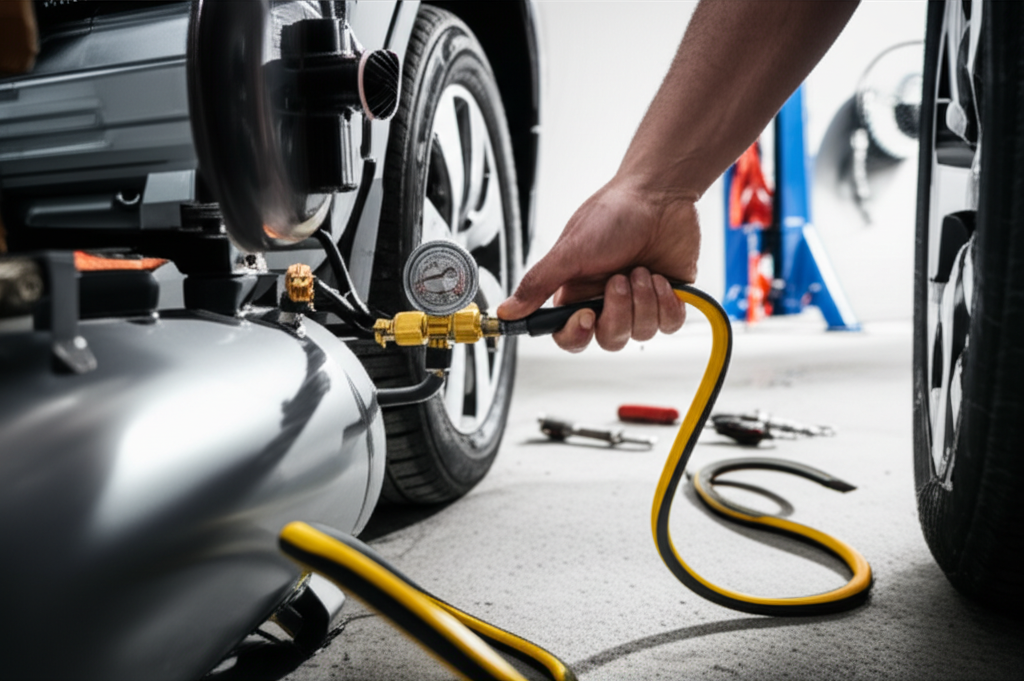
Inflating your car tires with an air compressor is simple and efficient. This guide breaks down the process with easy-to-follow steps, ensuring you get it right the first time for optimal tire pressure and a smoother ride.
Hey there, fellow DIYers and homeowners! Samuel H. Murphy here, your friend from Capische, and I’m so glad you’ve stopped by. Ever felt that little pang of anxiety when your tire pressure warning light flickers on? Or maybe you’ve hesitated to tackle that simple tire inflation yourself, thinking it’s too complicated? I get it. Many of us have been there. The good news is, using an air compressor for your tires is one of the most straightforward and rewarding tasks you can do for your vehicle. It’s not just about convenience; it’s about safety and keeping your car running smoothly. We’ll walk through it step-by-step, making sure you feel confident and capable. Ready to get those tires perfectly inflated? Let’s dive in!
Why Inflate Your Tires with an Air Compressor?
Keeping your tires properly inflated is crucial for several reasons. It directly impacts:
Fuel Efficiency: Underinflated tires increase rolling resistance, meaning your engine works harder and uses more fuel.
Tire Lifespan: Correct pressure ensures even wear across the tire tread, extending its life and saving you money on replacements.
Vehicle Handling and Safety: Properly inflated tires provide optimal grip, braking performance, and steering response, contributing to a safer driving experience.
Ride Comfort: The correct tire pressure helps absorb road imperfections, leading to a smoother and more comfortable ride.
While gas station air pumps are common, having your own portable air compressor or using a stationary one at home offers unparalleled convenience and control. It’s a small investment that pays off in convenience and vehicle maintenance.
Understanding Your Air Compressor for Tire Inflation
Before we get to the “how-to,” let’s briefly touch on the types of air compressors and what you need to know for tire use.
Types of Air Compressors
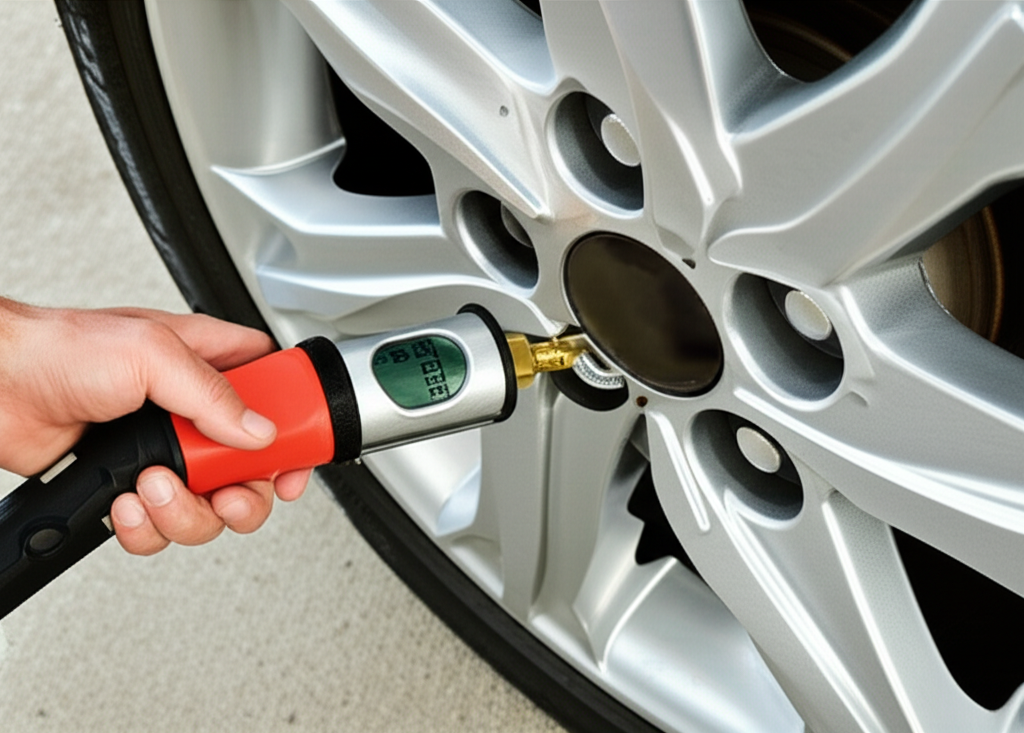
For tire inflation, most DIYers consider two main types:
Portable Air Compressors: These are compact, often 12-volt models that plug into your car’s cigarette lighter or run on a battery. They are perfect for on-the-go emergencies and quick top-ups.
Stationary (Garage) Air Compressors: These are larger, more powerful units designed for a garage or workshop. They can power air tools, but many also come with tire inflation accessories. Horsepower and tank size are key factors here, but for just tires, even a smaller unit will suffice.
Key Components for Tire Inflation
Regardless of the type, you’ll need a few essential accessories:
Hose: A flexible air hose to connect the compressor to your tire valve.
Tire Chuck/Inflator: This attaches to the tire’s valve stem. Many come with a built-in pressure gauge.
Tire Pressure Gauge: Even if your chuck has one, a separate, reliable gauge is always a good idea for accuracy.
Air Compressor Oil (for some models): If you have an oil-lubricated compressor, ensure it’s topped up as per the manufacturer’s instructions. Oil-free compressors require less maintenance.
How to Use an Air Compressor for Tires: A Step-by-Step Guide
This is where we get hands-on. Follow these simple steps, and you’ll be an expert in no time!
Step 1: Find Your Vehicle’s Recommended Tire Pressure
This is the most critical first step! Never guess or inflate to the maximum pressure listed on the tire sidewall. That number is the maximum pressure the tire can safely hold, not the recommended operating pressure.
Locate the Sticker: You’ll find the recommended tire pressure (usually listed in PSI – Pounds per Square Inch) on a sticker inside the driver’s side door jamb.
Check Your Owner’s Manual: If the sticker is missing or unreadable, your vehicle’s owner’s manual will also have this information.
Cold Tire Pressure: Always check and inflate your tires when they are “cold,” meaning the vehicle hasn’t been driven for at least three hours, or driven less than a mile at moderate speed. Driving heats up the tires, increasing the air pressure inside.
Quick Tip: For most passenger cars, the recommended front and rear tire pressures are often similar, but it’s always best to check the sticker.
Step 2: Prepare Your Air Compressor and Hose
Portable Compressor: Ensure it’s connected to your car’s power source (cigarette lighter or battery clamps) and turned on. Some portable compressors have an on/off switch, while others start when they detect power.
Stationary Compressor: Make sure the compressor is plugged in and turned on. Allow it to build up pressure in its tank. The pressure gauge on the tank will show you when it’s ready.
Connect the Hose: Attach the air hose to the compressor’s outlet valve, ensuring a snug fit.
Step 3: Attach the Tire Chuck to the Valve Stem
Locate the Valve Stem: Find the small rubber or metal stem on each of your tires.
Remove the Valve Cap: Unscrew the small plastic or metal cap from the valve stem and keep it in a safe place (like your pocket!).
Attach the Chuck: Firmly press the tire chuck onto the valve stem. You might hear a brief hiss of air as you connect it. If your chuck has a lever, flip it to secure the connection. A good seal is important to prevent air loss.
Pro Tip: If you’re using a chuck without a built-in gauge, you might need to briefly disconnect it to check the pressure with your separate gauge.
Step 4: Inflate the Tire
Check the Gauge: Look at the pressure gauge on your tire chuck or your separate tire gauge.
Inflate in Short Bursts: For portable compressors, squeeze the trigger or press the lever on the chuck to start the airflow. For stationary compressors, you might have a trigger on the hose itself.
Monitor Pressure Closely: Inflate the tire in short bursts, checking the pressure frequently. It’s easy to over-inflate, so go slowly and steadily.
Add Air Gradually: If the pressure is low, add a few PSI at a time. You can always add more, but it’s harder to let air out without a proper gauge or deflation tool.
Important Note on Gauges: The gauge on your compressor or chuck might not be perfectly accurate. Using a reliable, standalone tire pressure gauge (digital or dial type) is highly recommended for the most precise readings. You can find good ones at any auto parts store.
Step 5: Check and Adjust Pressure
Read the Gauge: Once you’ve added some air, release the trigger/lever and check the pressure reading on your gauge.
Compare to Recommended Pressure: Compare this reading to the recommended PSI you found in Step 1.
Add or Release Air:
If low: Repeat Step 4, adding more air in short bursts and re-checking.
If high: Most tire chucks have a small button or lever you can press to release air. Press it briefly with the chuck still attached to let out a small amount of air, then re-check the pressure.
Repeat for All Tires: Continue this process for all four tires, and don’t forget your spare tire if your vehicle has one!
Step 6: Final Checks and Finishing Touches
Final Pressure Check: Once all tires are at the correct PSI, do one last check with your reliable gauge on each tire.
Replace Valve Caps: Screw the valve caps back onto each valve stem. These help keep dirt and moisture out of the valve core.
Disconnect: Disconnect the air hose from the valve stem and then turn off your air compressor. Unplug portable compressors from the power source.
Store Properly: Coil up your hose and store your compressor and accessories neatly for next time.
Table: Ideal Tire Pressure vs. Tire Sidewall Pressure
Understanding the difference between these two numbers is crucial for safety and performance.
| Pressure Type | Location of Information | Purpose |
| :—————————- | :——————————————————— | :———————————————————————- |
| Recommended Tire Pressure | Driver’s side door jamb sticker, owner’s manual | Optimal for vehicle handling, fuel efficiency, and tire wear. |
| Maximum Tire Pressure | Sidewall of the tire (e.g., “Max. Press. 51 PSI”) | The maximum pressure the tire can safely hold under load. Do not use for regular inflation. |
Portable Air Compressor vs. Stationary Compressor for Tires: Pros and Cons
Choosing the right compressor depends on your needs. Here’s a quick comparison:
Portable Air Compressors (12V)
| Pros | Cons |
| :—————————————- | :————————————— |
| Highly portable, great for emergencies | Slower inflation, can strain car battery |
| Affordable, typically lower cost | Lower PSI output, not suitable for tools |
| Compact, easy to store in a vehicle | May require engine to be running |
| Simple to use for basic tire inflation | Durability can vary by brand |
Stationary Air Compressors (Garage)
| Pros | Cons |
| :———————————————- | :——————————————- |
| Faster inflation, higher PSI output | Larger, requires dedicated space, more costly|
| Can power air tools (nail guns, impact wrenches)| Needs electrical outlet, potential noise |
| More durable and powerful | Less portable, requires setup |
| Consistent performance | Can be overkill if only for tires |
Frequently Asked Questions (FAQ)
Here are some common questions beginners have about using air compressors for tires:
How often should I check my tire pressure?
It’s recommended to check your tire pressure at least once a month and before any long road trips. Tires can lose pressure gradually over time, even when there are no leaks.
Can I use a portable air compressor to inflate truck tires?
While some powerful portable compressors can handle truck tires, most standard 12V portable compressors are designed for passenger car tires. Truck tires often require higher PSI and larger volumes of air, making a stationary compressor or a specialized truck inflator a better choice. Always check the compressor’s PSI rating and flow rate.
What happens if I over-inflate my tires?
Over-inflating tires can lead to a harsher ride, reduced traction, increased wear in the center of the tread, and a higher risk of tire damage from road hazards. It can also affect your vehicle’s handling.
Do I need to check tire pressure when tires are hot?
No, you should always check tire pressure when tires are “cold.” Driving heats up the air inside the tires, causing the pressure to increase. Inflating or checking pressure when hot will give you an inaccurate reading.
What’s the difference between PSI and BAR?
PSI stands for Pounds per Square Inch, and BAR is another unit of pressure measurement. Most car manufacturers in North America specify tire pressure in PSI. If your gauge or compressor uses BAR, you can convert: 1 BAR is approximately 14.5 PSI.
Can I use any air compressor for my car tires?
Yes, as long as the air compressor can reach the recommended PSI for your vehicle’s tires and you have the correct attachments (tire chuck). Most compressors designed for inflating tires, whether portable or stationary, will work. Just ensure the compressor’s output is appropriate for your needs.
Where can I find more information on tire maintenance?
For comprehensive information on tire care and maintenance, the U.S. Department of Transportation’s National Highway Traffic Safety Administration (NHTSA) provides excellent resources. You can often find detailed guides on their official website, NHTSA Tire Information.
Maintaining Your Air Compressor
To ensure your air compressor serves you well for years, a little regular maintenance goes a long way.
Check Oil Levels (Oil-Lubricated Models): If your compressor uses oil, check the oil level regularly and top up or change it according to the manufacturer’s recommendations. Refer to your owner’s manual.
Drain the Tank: Regularly drain any moisture that collects in the tank of stationary compressors. This prevents rust and corrosion. Open the drain valve at the bottom of the tank and let out the air and any water.
Inspect Hoses and Fittings: Check hoses for cracks, kinks, or leaks. Ensure all fittings are secure.
Keep it Clean: Dust and debris can clog air filters. Clean or replace air filters as needed.
Store Properly: Store your compressor in a dry, protected area when not in use.
Proper maintenance not only extends the life of your compressor but also ensures it operates efficiently and safely.
Conclusion
And there you have it! Using an air compressor to inflate your tires is a straightforward process that can save you time, money, and keep you safer on the road. By following these simple steps – finding your recommended pressure, preparing your equipment, attaching the chuck securely, inflating gradually, and checking your PSI accurately – you can confidently maintain your vehicle’s tires. Remember, consistent tire pressure is key to optimal performance, fuel efficiency, and tire longevity. Don’t hesitate to make tire maintenance a regular part of your routine. It’s a small effort with significant rewards. Happy inflating!
