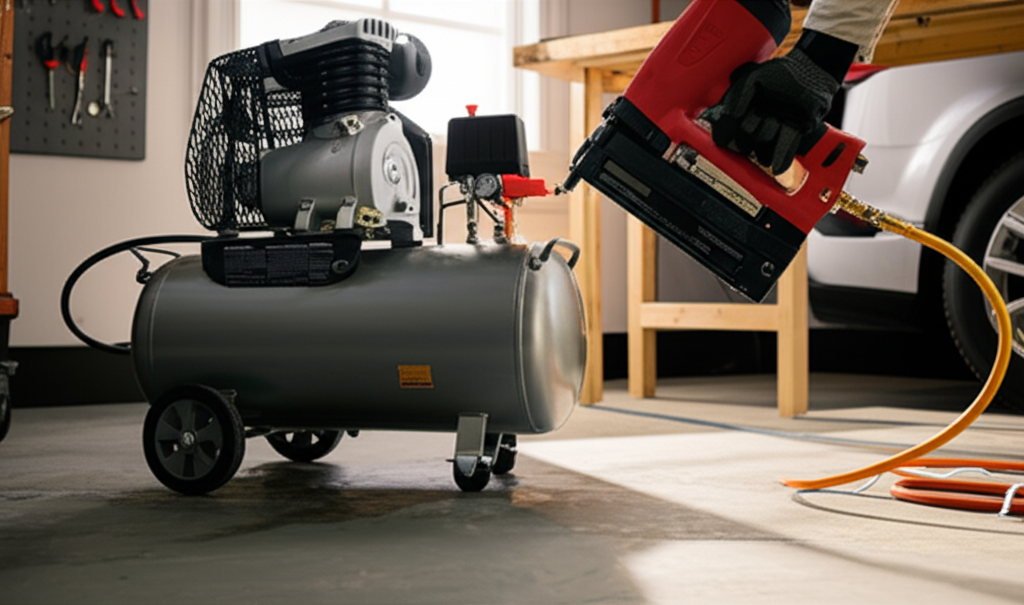
Don’t drain your air compressor? You risk internal rust, component damage, reduced efficiency, and potential system failure. Water buildup can corrode vital parts, leading to costly repairs and a shorter lifespan for your valuable equipment. Regular draining is a simple but crucial maintenance step.
Hey there, fellow DIYers and homeowners! Samuel H. Murphy here from Capische. If you’ve got an air compressor, you know how handy they are. From inflating tires to powering your favorite nail gun, they’re real workhorses. But there’s one little task that often gets overlooked, and it can cause big problems: draining the water. It might seem like a small thing, but ignoring it can lead to a cascade of issues. Don’t worry, though! We’re going to walk through exactly what happens when you skip this step and why it’s so important to get it right. Stick around, and we’ll make sure your compressor stays in tip-top shape for years to come.
The Silent Enemy: Why Water in Your Air Compressor is a Big Deal
So, you’ve just finished a project, or maybe your compressor has been sitting idle for a while. You might be tempted to just walk away and forget about it. But that little bit of water that collects in the tank? It’s not just harmless condensation. Think of it like leaving a damp sponge in a metal container – over time, it’s going to cause trouble. This moisture is a byproduct of the air compression process itself. As air is compressed, it heats up, and then cools down, causing the water vapor in the air to condense into liquid water. This water then settles at the bottom of your air compressor tank.
Ignoring this water is like inviting rust and corrosion to a party inside your expensive equipment. It’s a common mistake, especially for those new to air compressors, but the consequences can be significant. We’re talking about damage that can cost you a pretty penny to fix, or worse, mean you need a whole new compressor. But the good news is, it’s entirely preventable with a simple, regular maintenance habit. Let’s dive into the specifics of what happens when that water stays put.
What Happens If You Don’t Drain: The Essential Risks Explained
When you don’t drain the water from your air compressor tank, you’re essentially creating a mini-environment for corrosion to thrive. This isn’t just about a bit of rust on the surface; it’s about how that rust can compromise the integrity and performance of your compressor. Here’s a breakdown of the key risks:
1. Internal Rust and Corrosion
This is the most immediate and significant risk. The inside of an air compressor tank is typically made of steel. When water sits in contact with steel for extended periods, especially in the presence of oxygen, rust (iron oxide) begins to form. This process, known as oxidation, eats away at the metal. Over time, this rust can:
- Weaken the tank walls, potentially leading to leaks or even catastrophic failure.
- Create small particles of rust that can travel through the air lines.
- Contaminate the compressed air, which can be problematic if you’re using it for painting, delicate electronics, or anything where clean air is essential.
The U.S. Department of Labor’s Occupational Safety and Health Administration (OSHA) emphasizes the importance of proper maintenance for pressurized vessels, including regular inspections for corrosion, to ensure safe operation. While draining is a simple step, it’s a critical part of preventing such degradation.
2. Damage to Air Tools and Accessories
The rust particles and moisture that can escape the tank don’t just stay there. They travel through your air hoses and into your pneumatic tools. This can cause a variety of problems for your valuable accessories:
- Rusting internal components: Pneumatic tools have intricate moving parts, often made of metal. Rust particles can cause these parts to seize up, wear out prematurely, or become less efficient.
- Corrosion of seals and O-rings: Moisture can degrade rubber and plastic seals, leading to leaks and a loss of air pressure.
- Clogging of small orifices: Many air tools have very small air passages. Rust flakes can easily clog these, reducing performance or stopping the tool altogether.
- Water damage to finishes: If you’re using your compressor for painting, water in the air line can cause paint defects like “fisheyes” or uneven finishes.
Imagine your favorite nail gun jamming repeatedly, or your paint sprayer sputtering inconsistently. Often, the culprit is the water and rust that made its way from the compressor tank.
3. Reduced Compressor Efficiency and Performance
Water in the tank can indirectly affect how well your compressor works. Here’s how:
- Increased strain on the motor: A tank compromised by corrosion might not hold pressure as effectively, forcing the motor to work harder and more often to maintain the desired pressure.
- Air leaks: As mentioned, corrosion can lead to small leaks in the tank or fittings, meaning your compressor uses more energy to replace the lost air.
- Moisture in the air lines: While not directly affecting the compressor’s ability to generate air, the presence of water in the system means you’re not getting as much usable dry air as you should be.
This translates to longer run times for your compressor, higher electricity bills, and a less consistent supply of air for your tasks.
4. Potential for Tank Failure
This is the most serious, though less common, risk. Over prolonged periods, severe internal corrosion can weaken the steel walls of the air compressor tank to a critical point. If the tank is significantly weakened, it could potentially rupture under pressure. Air compressor tanks are designed to withstand significant pressure, but like any metal container, they are susceptible to degradation. While modern tanks are robust, ignoring basic maintenance like draining water is a direct contributor to the conditions that could lead to such a failure. Safety agencies like the National Board of Boiler and Pressure Vessel Inspectors provide guidelines for the inspection and maintenance of pressure vessels, highlighting the critical nature of preventing internal damage.
5. Contaminated Air Supply
For many applications, the purity of the compressed air is crucial. This includes:
- Painting and finishing: Water and rust particles can ruin a paint job, causing blemishes and requiring rework.
- Aerospace and medical applications: In highly specialized fields, even tiny amounts of moisture or particulate matter can be disastrous.
- Inflating items: While less critical for a bicycle tire, for sensitive electronics or specialized inflatables, introducing moisture might not be ideal.
Even for general home use, clean, dry air ensures your tools operate as intended and your projects turn out better.
How Water Gets Into Your Air Compressor Tank
It’s helpful to understand the source of this unwanted moisture. As mentioned, it’s a natural part of the air compression process:
- Air Intake: Your compressor draws in ambient air from your surroundings. This air, no matter how dry it seems, contains some level of humidity (water vapor).
- Compression and Heating: The compressor’s motor and pump compress this air. The act of compression generates heat, which can actually hold more moisture in a gaseous state.
- Cooling and Condensation: As the hot, compressed air moves into the storage tank and begins to cool down, its capacity to hold water vapor decreases. This excess water vapor then condenses into liquid water.
- Settling: Being denser than air, this liquid water naturally settles at the lowest point in the tank, which is typically near the drain valve.
The amount of water produced depends on the humidity of the surrounding air and how long the compressor runs. On a humid day, you’ll likely see more water than on a dry day.
The Simple Solution: Draining Your Air Compressor
The good news is that preventing all these problems is remarkably simple. It involves regularly draining the water from your air compressor tank. This is a quick and easy maintenance task that will significantly extend the life of your compressor and ensure it performs at its best.
When to Drain Your Air Compressor
Consistency is key. Here’s a good rule of thumb:
- After Each Use: This is the ideal scenario. Even if you only ran it for a few minutes, a quick drain ensures no water has a chance to sit.
- At the End of the Day: If you use it intermittently throughout the day, draining it at the end of your workday is a great habit.
- Before Storage: If you’re storing the compressor for an extended period (e.g., over winter), make sure the tank is completely empty of water.
The frequency might increase on very humid days or if you run the compressor for long periods.
How to Drain Your Air Compressor: A Step-by-Step Guide
Most air compressors have a drain valve located at the very bottom of the tank. It usually looks like a small faucet or a knob. Here’s how to use it:
- Ensure the Compressor is Off and Depressurized: First, turn off the compressor and unplug it from the power source. Then, open the air hose valve or trigger a tool to release any remaining air pressure in the tank. You don’t want to drain water under pressure, as it can be forceful and messy.
- Locate the Drain Valve: Look at the very bottom of the air tank. You should see a valve, often a quarter-turn ball valve or a spigot-style valve.
- Position a Container: Place a suitable container (like a small bucket or pan) underneath the drain valve to catch the water and any rust particles.
- Open the Drain Valve: Slowly open the drain valve. You’ll likely hear a hiss as any residual air escapes, followed by the water draining out. If it’s a ball valve, you’ll usually turn the handle 90 degrees. If it’s a spigot, you’ll turn it like a faucet.
- Let it Drain Completely: Allow all the water to drain out. You might see some rusty-looking water, which is normal. Keep the valve open until only air is escaping.
- Close the Drain Valve: Once the draining is complete, close the drain valve securely.
- Check for Leaks: After closing, briefly repressurize the tank slightly and check around the drain valve for any leaks. Tighten if necessary.
Important Note: Some newer or smaller compressors might have a “petcock” style drain, which is a small lever you lift. The principle is the same – open it to let the water out.
Tools You Might Need
For most draining tasks, you won’t need much:
- A suitable container (bucket, pan)
- Gloves (optional, to keep hands clean)
- A rag or paper towels for cleanup
Some older compressors might have a drain valve that requires a small wrench to open, but this is less common. Always check your compressor’s manual if you’re unsure.
Preventing Water Buildup: Beyond Draining
While draining is paramount, here are a few other tips to minimize water in your system:
- Use a Water Separator/Filter: For critical applications like painting or running sensitive tools, consider installing a water separator or a filter-regulator-lubricator (FRL) unit on your air line. These devices capture moisture and contaminants before they reach your tools. You can find reliable options from brands like Ingersoll Rand or DeWalt.
- Store in a Dry Environment: If possible, store your air compressor in a dry, climate-controlled space rather than a damp garage or shed.
- Consider an Air Dryer: For heavy-duty or industrial use where extremely dry air is essential, an air dryer system can be a worthwhile investment.
Common Air Compressor Maintenance Schedule (DIY Focus)
Here’s a simple table outlining basic maintenance tasks for your air compressor. Remember to always consult your owner’s manual for specific recommendations for your model.
| Task | Frequency | Why it’s Important |
|---|---|---|
| Drain Tank Water | After each use / Daily | Prevents rust, corrosion, and tool damage. |
| Check Oil Level (Oil-Lubricated Models) | Before each use | Ensures proper lubrication and prevents motor wear. |
| Clean Air Filter | Monthly (or as needed based on usage) | Ensures efficient air intake and prevents motor strain. |
| Inspect Air Hoses and Fittings | Monthly | Checks for leaks, cracks, or damage, ensuring safety and efficiency. |
| Change Oil (Oil-Lubricated Models) | Annually or per manufacturer recommendation | Maintains lubrication quality and protects internal components. |
| Inspect Tank for External Corrosion | Annually | Early detection of potential structural issues. |
Frequently Asked Questions (FAQs)
Q1: How much water should I expect to drain from my air compressor?
The amount of water varies greatly depending on the humidity of the air and how long you ran the compressor. On a humid day, you might drain a noticeable amount, perhaps a cup or more. On a dry day, it might just be a few drips. The key is to drain whatever is present.
Q2: Can I just leave the drain valve slightly open all the time?
It’s generally not recommended to leave the drain valve slightly open continuously. This can lead to a slow, constant loss of air pressure from the tank, making your compressor run more often and less efficiently. It’s best to drain it completely after use and then close the valve securely.
Q3: What if my drain valve is stuck or won’t open?
If your drain valve is stuck, try gently tapping it with a rubber mallet or a block of wood. You can also try applying a penetrating lubricant (like WD-40, but be sure to wipe away any excess before draining). If it’s severely corroded, you might need to replace the valve, which is a relatively straightforward repair for most compressors.
Q4: Does draining the water affect the air quality for painting?
Draining the tank is essential for good air quality! By removing the water, you prevent it from potentially getting into your air lines and contaminating your paint job. For the best results, especially when painting, consider adding a water separator filter to your air line as an extra layer of protection.
Q5: My compressor is oil-lubricated. Does that change how I drain it?
No, the process for draining water from the tank is the same whether your compressor is oil-lubricated or oil-free. The oil is for the pump mechanism, while the water collects in the tank due to condensation. Just be careful not to mistake the oil drain plug (usually on the pump itself) for the tank drain valve (always at the bottom of the tank).
Q6: How often should I check the air filter on my compressor?
It’s a good practice to check your air filter at least once a month, or more often if you use your compressor in a dusty environment. A clogged filter restricts airflow, makes your compressor work harder, and can lead to overheating and reduced efficiency. Cleaning or replacing it is a simple maintenance task that pays off.
Conclusion: A Small Habit for Big Rewards
So there you have it. That seemingly minor task of draining the water from your air compressor tank is actually a cornerstone of good maintenance. By taking just a minute or two after each use, you’re actively preventing internal rust, protecting your valuable air tools from damage, ensuring your compressor runs efficiently, and ultimately, saving yourself money on potential repairs or premature replacement. It’s a simple habit that offers significant rewards in terms of equipment longevity and performance.
Think of it as giving your compressor a little thank you for all the hard work it does. Keep that drain valve clear, keep that tank dry, and your air compressor will be a reliable partner for all your projects for many years to come. Happy building, painting, and inflating!
