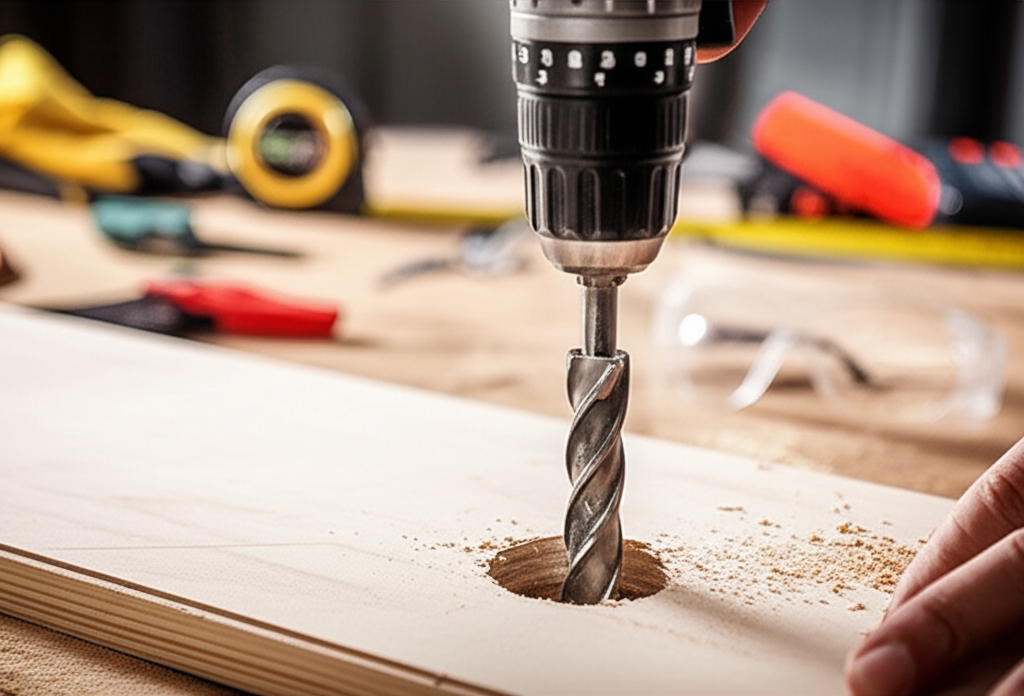
For concrete, you need a diamond-grit or carbide-tipped hole saw designed specifically for masonry. These specialized saws have the hardness and durability to cut through tough materials like concrete, brick, and stone, unlike standard bi-metal or carbide-tipped saws meant for wood or metal.
Drilling into concrete can seem like a daunting task, especially if you’re new to home improvement projects. You might have a specific need, like running a pipe, installing an electrical conduit, or even just creating a ventilation opening. The biggest hurdle for many DIYers is knowing which tool to grab. It’s easy to get overwhelmed by the sheer variety of hole saws available. Picking the wrong one means wasted time, frustration, and potentially damaged tools or materials. But don’t worry! This guide is here to demystify the process. We’ll walk you through exactly what type of hole saw you need for concrete, how to use it safely, and what to expect. By the end, you’ll feel confident tackling your concrete drilling projects like a pro.
Understanding Hole Saws: Beyond the Basics
Before we dive into concrete-specifics, let’s quickly recap what a hole saw is. It’s a circular cutting tool that attaches to a drill, designed to create large-diameter holes. Unlike a standard drill bit that makes a solid hole, a hole saw cuts a ring, leaving a core of material in the center. This is incredibly useful for creating openings for plumbing, electrical boxes, and more.
The key to any hole saw’s effectiveness lies in its construction and the material it’s designed to cut. Different materials require different cutting edges and durability. Think of it like trying to cut through paper with scissors versus a steak knife – you need the right tool for the job.
For concrete, we’re dealing with one of the toughest materials you’ll encounter in DIY projects. This means standard hole saws simply won’t cut it. We need something built for extreme durability and abrasion resistance.
The Best Hole Saw Types for Concrete
When it comes to drilling into concrete, you’re looking for specialized tools. Regular hole saws, like those made of bi-metal or even standard carbide-tipped ones, are designed for softer materials like wood, plastic, and metal. They lack the grit and toughness needed to make any significant progress in concrete. For concrete, you have two primary, highly effective options:
1. Diamond-Grit Hole Saws
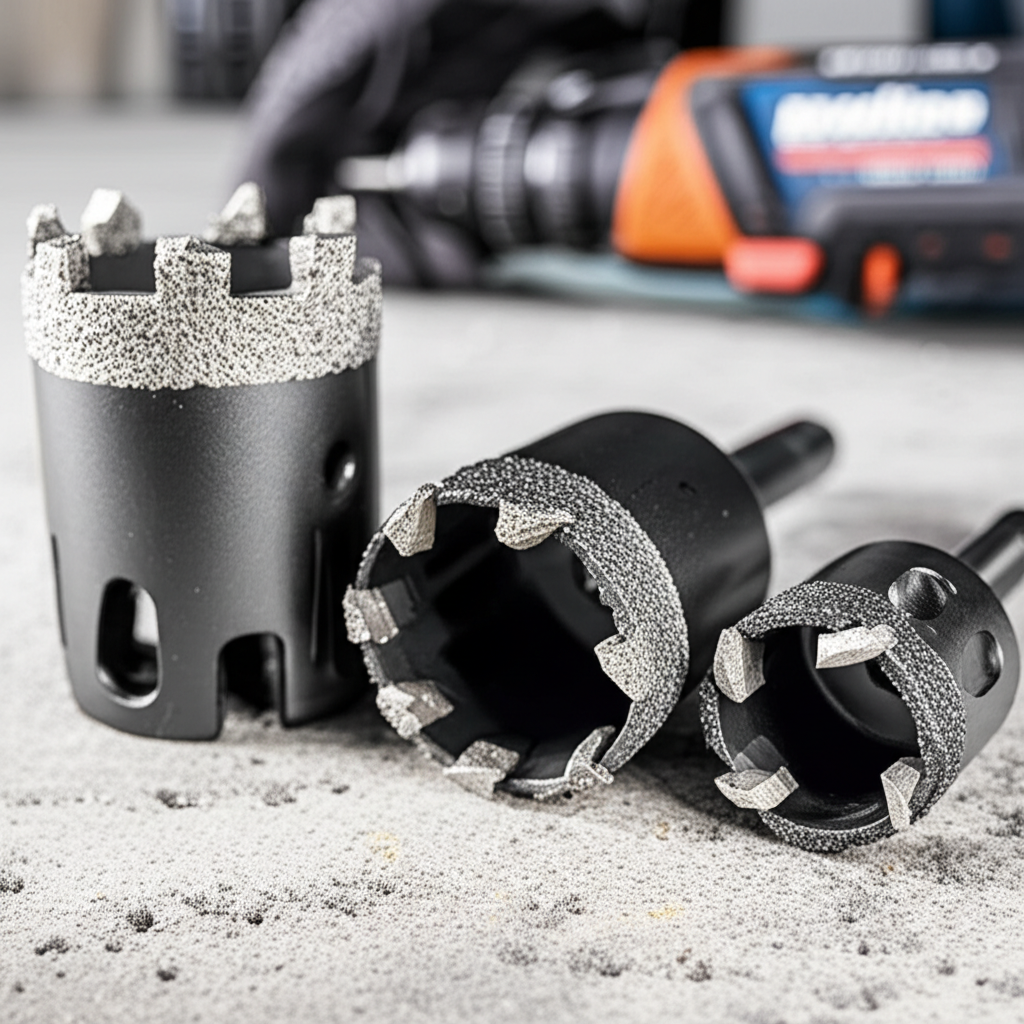
Diamond-grit hole saws are the undisputed champions for cutting hard, brittle materials like concrete, tile, glass, and porcelain. These saws have a hollow cylinder coated or embedded with industrial-grade diamond particles along the cutting edge. Diamonds are the hardest known natural substance, making them ideal for grinding through dense materials.
- How they work: Instead of “cutting” in the traditional sense, diamond-grit saws essentially grind away the material. The sharp, abrasive diamond particles chip away at the concrete as the saw rotates.
- Best for: Cutting through solid concrete, reinforced concrete, brick, stone, ceramic tile, porcelain, and glass.
- Pros:
- Exceptional hardness and durability.
- Can cut very hard and brittle materials.
- Relatively clean cuts on tile and glass.
- Cons:
- Slower cutting speed compared to other hole saws.
- Requires water for cooling and dust suppression, which can be messy.
- Can be more expensive than other types.
- Not ideal for wood or metal.
You’ll often see these referred to as “diamond core drills” or “diamond hole cutters.” They are typically used with a water supply to keep the diamond edge cool and to wash away the abrasive dust and debris, which is crucial for both the longevity of the saw and for safety.
2. Carbide-Tipped Hole Saws (for specific concrete applications)
While diamond-grit is king for pure concrete, there are specialized carbide-tipped hole saws designed for masonry that can handle certain concrete tasks, especially when combined with other features. These saws have teeth made of tungsten carbide, a very hard metal alloy. For concrete, you’ll typically find these with multiple, small, aggressive carbide teeth or a carbide grit edge.
- How they work: The carbide teeth are brazed onto the steel body of the saw. They chip away at the material.
- Best for: Lighter concrete applications, cinder blocks, brick, mortar, and sometimes softer concrete or asphalt. They are less effective on very hard or reinforced concrete.
- Pros:
- More aggressive cutting action than diamond grit in some softer materials.
- Can be used with less water or even dry in some lighter applications.
- Generally faster cutting than diamond grit in suitable materials.
- Cons:
- Less durable than diamond grit on hard concrete.
- Teeth can chip or break if used on overly hard or reinforced concrete.
- Can generate significant heat and dust.
- Not suitable for glass or very brittle tile.
It’s important to distinguish these from standard carbide-tipped hole saws used for wood or metal. Masonry-specific carbide-tipped saws have a different tooth geometry and often a more robust carbide attachment to withstand the abrasive nature of concrete and brick.
When to Choose Which
Here’s a simple breakdown:
| Material | Recommended Hole Saw Type | Notes |
|---|---|---|
| Hard Concrete (solid, reinforced) | Diamond-Grit Hole Saw | Requires water; slowest but most effective. |
| Softer Concrete, Brick, Cinder Block | Carbide-Tipped (Masonry Specific) or Diamond-Grit | Carbide can be faster; diamond offers longevity. |
| Tile, Glass, Porcelain | Diamond-Grit Hole Saw | Requires water; use slow speeds. |
| Wood, Metal, Plastic | Bi-Metal or High-Speed Steel (HSS) Hole Saw | Diamond or Carbide will dull quickly. |
Essential Tools and Safety Gear
Before you even think about drilling into concrete, gather your supplies. Using the right tools and prioritizing safety is paramount. Concrete dust is a serious health hazard, and working with power tools requires careful preparation.
Tools You’ll Need:
- Appropriate Hole Saw: Diamond-grit or specialized carbide-tipped for masonry.
- Hammer Drill or Rotary Hammer: Essential for concrete. A standard drill will struggle and likely overheat. A rotary hammer is best for larger holes or harder concrete. Check out resources like Fine Homebuilding’s guide on rotary hammers for more on these powerful tools.
- Arbor/Mandrel: The shank that connects the hole saw to your drill. Ensure it’s compatible with both. Many diamond hole saws use a specific pilot drill bit for guidance.
- Water Source: For diamond-grit saws, a steady stream of water is necessary. This can be a garden hose with a spray nozzle, a bucket with a sponge, or a specialized water feed system.
- Pilot Drill Bit: Often included with diamond hole saws, this bit centers the hole saw and helps guide the cut.
- Measuring Tape and Marker: For precise placement.
- Level: To ensure your hole is perfectly vertical or horizontal.
Safety Gear (Non-Negotiable!):
- Safety Glasses or Goggles: Protect your eyes from flying debris and dust.
- Dust Mask or Respirator: Crucial for protecting your lungs from silica dust, which is found in concrete and can cause serious respiratory problems. Look for an N95 or P100 rated respirator. The Occupational Safety and Health Administration (OSHA) provides extensive information on silica exposure risks.
- Hearing Protection: Hammer drills and rotary hammers can be very loud.
- Gloves: Protect your hands from abrasion and improve grip.
- Sturdy Footwear: Protect your feet from dropped tools or materials.
Step-by-Step Guide: Drilling Concrete with a Hole Saw
Now that you have your tools and safety gear, let’s get to the actual drilling. Remember, patience is key when working with concrete.
-
Mark Your Hole Location:
Use your measuring tape and marker to accurately mark the center of where you want the hole. Use a level to ensure your mark is precise, especially if you need a straight opening.
-
Attach the Hole Saw to the Arbor:
Securely fasten the hole saw to the correct arbor. If your hole saw came with a pilot drill bit, ensure it’s properly installed in the arbor. Make sure the arbor is firmly tightened in your drill’s chuck.
-
Set Up for Water (Diamond-Grit Saws):
If you’re using a diamond-grit hole saw, prepare your water source. Have someone assist you by slowly pouring water onto the drilling area as you work, or set up a continuous, gentle water flow. This lubricates the diamond edge, cools the saw, and suppresses dust.
-
Position the Drill:
Place the pilot drill bit (if applicable) directly on your marked spot. Ensure the drill is held perpendicular to the surface for a clean, straight hole.
-
Start Drilling:
Begin drilling at a slow to moderate speed. For diamond-grit saws, start with a very slow speed to allow the diamonds to begin grinding. For carbide-tipped masonry saws, you can start at a slightly higher speed but avoid excessive force.
-
Maintain Steady Pressure and Water Flow:
Apply steady, consistent pressure. Let the tool do the work; forcing it can damage the saw or the drill. For diamond saws, keep the water flowing. For carbide saws, if dust is excessive, consider a brief pause to let water cool the bit, or use a damp sponge to keep the area moist.
-
Clear Debris Periodically:
As you drill, concrete dust and slurry will build up. Periodically lift the hole saw slightly out of the hole to allow water and debris to escape. This prevents the saw from binding and ensures efficient cutting. For diamond saws, this also helps flush out the ground material.
-
Continue Until Through:
Drill slowly and steadily. Once you feel the pilot bit or the edge of the hole saw break through the other side, reduce pressure significantly. This prevents the saw from snagging and damaging the exit point of your hole.
-
Clean Up:
Once the hole is complete, turn off the drill and carefully remove it. Clean the hole saw and the surrounding area. Be mindful of the wet concrete slurry.
Troubleshooting Common Issues
Even with the best tools, you might run into a few snags. Here are some common problems and how to fix them:
Hole Saw Not Cutting
- Cause: Dull teeth/grit, wrong saw type, insufficient drill power, or not using water (for diamond saws).
- Solution: Ensure you’re using a diamond-grit or masonry-specific carbide saw. If using diamond, make sure water is flowing. If using carbide, ensure the teeth aren’t visibly worn or chipped. Try a different drill with more power or a higher speed setting (if appropriate for the saw).
Drill Overheating
- Cause: Trying to cut too fast, too much pressure, or the drill lacks the power for the job.
- Solution: Slow down your drilling speed. Reduce the pressure. Ensure you’re using a hammer drill or rotary hammer, not a standard drill. Give the drill breaks to cool down.
Wobbly or Off-Center Hole
- Cause: Pilot bit slipped, starting drill too fast, or surface is uneven.
- Solution: Ensure the pilot bit is firmly seated before starting. Start the drill at a very slow speed to establish the cut. If the surface is uneven, you might need to create a small, flat starter surface first.
Excessive Dust
- Cause: Not using water with a diamond saw, or inadequate dust control with carbide saws.
- Solution: For diamond saws, increase water flow. For carbide saws, consider a dust shroud attachment for your drill or vacuum, and always wear a respirator.
Maintaining Your Hole Saws for Longevity
Proper maintenance ensures your specialized hole saws last longer and perform better. Concrete is abrasive, so treating your tools right is crucial.
- Clean After Every Use: Rinse diamond-grit saws thoroughly with water to remove all concrete residue. For carbide saws, brush off dust and debris.
- Dry Thoroughly: After cleaning, ensure the hole saws are completely dry before storing them. This prevents rust, especially on the steel body and arbor.
- Inspect for Damage: Check the diamond coating or carbide teeth for any signs of chipping, wear, or detachment. Damaged teeth can lead to poor performance and increased risk of breakage.
- Proper Storage: Store hole saws in a dry place, ideally in their original packaging or a dedicated tool case. This protects the cutting edges from damage.
- Lubrication (Arbor): Occasionally, apply a light lubricant to the arbor threads to make attaching and detaching the hole saw easier.
By following these simple maintenance steps, you’ll extend the life of your investment and ensure reliable performance for future projects.
Frequently Asked Questions (FAQ)
- Can I use a regular hole saw for concrete?
- No, absolutely not. Regular hole saws made of bi-metal or standard carbide are designed for wood, metal, and plastic. They will dull almost instantly and are unlikely to make any progress in concrete, potentially damaging your drill and the saw.
- What’s the difference between diamond-grit and carbide-tipped for concrete?
- Diamond-grit hole saws use diamond particles embedded on the edge, which grind through materials. They are best for very hard, brittle materials like dense concrete, tile, and glass. Carbide-tipped saws have teeth made of tungsten carbide, which chip away material. Masonry-specific carbide saws are better for softer concrete, brick, and block, offering a faster cut in those specific materials but less durability on harder concrete than diamond.
- Do I really need a hammer drill or rotary hammer for concrete?
- Yes, a hammer drill or rotary hammer is essential. These drills provide a hammering action that breaks up the concrete as it rotates, which is necessary for efficient cutting. A standard drill lacks this hammering function and will likely overheat and fail when trying to cut concrete.
- How much water do I need for a diamond-grit hole saw?
- You need a continuous, gentle flow of water. The goal is to keep the diamond edge lubricated and cool, and to wash away the abrasive dust. A steady trickle is usually sufficient. Too much water can make the slurry unmanageable, while too little will cause overheating and rapid wear.
- How do I prevent dust when drilling concrete?
- The best way to control dust when drilling concrete is by using a diamond-grit hole saw with a water supply. The water binds with the dust to create a slurry. If using a carbide-tipped saw, a dust shroud attached to your drill that connects to a shop vacuum is highly recommended. Always wear a properly fitted respirator.
- Can I use a hole saw for drilling rebar in concrete?
- Drilling through rebar (reinforcing steel) in concrete is extremely challenging and generally not recommended for standard DIY hole saws. Diamond-grit saws might eventually grind through thin rebar, but it will significantly shorten their lifespan and requires a very powerful drill. For projects involving rebar, specialized core drilling equipment is typically used.
Conclusion
Tackling concrete drilling projects is definitely achievable with the right knowledge and tools. Remember, for concrete, your go-to options are specialized diamond-grit or masonry-specific carbide-tipped hole saws. These are built to withstand the abrasive nature of concrete, unlike standard hole saws. Always prioritize safety by wearing appropriate personal protective equipment, especially a respirator for concrete dust. Using a hammer drill or rotary hammer, along with a steady water supply for diamond saws, will ensure a smoother, more efficient, and safer drilling experience.
Don’t be afraid to take your time, let the tool do the work, and maintain your equipment. With this guide, you’re well-equipped to select the correct hole saw, use it effectively, and achieve clean, precise holes in your next concrete project. Happy drilling!
